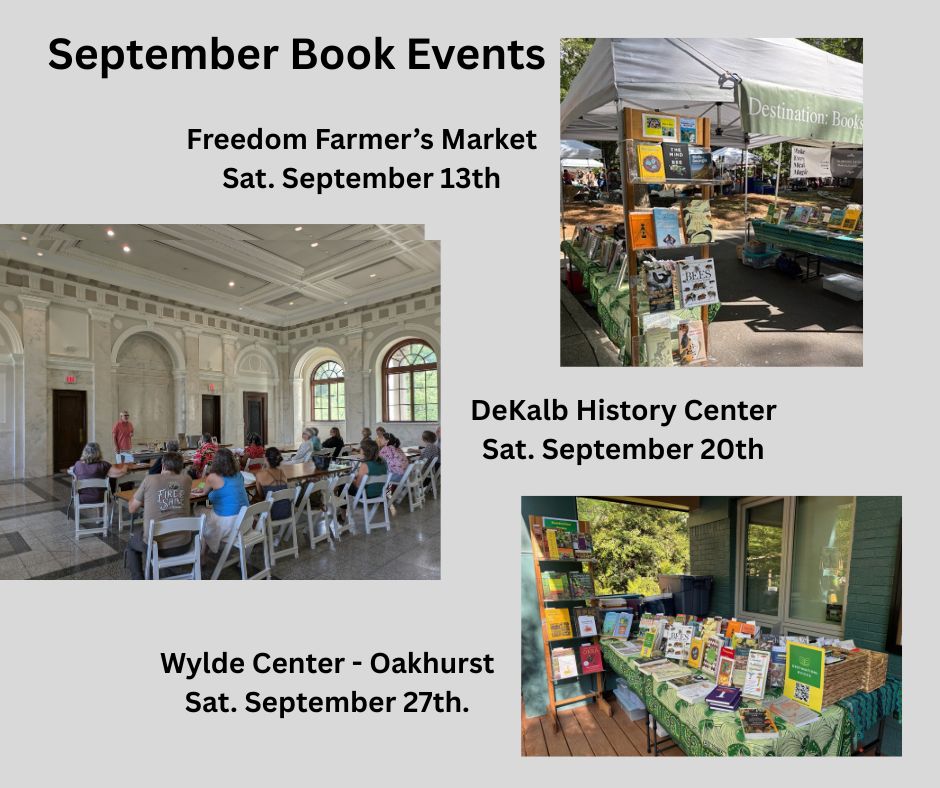
A busy month ahead for yours truly. Weather permitting (of course) Destination Books will be at the Carter's Center's Freedom Farmer's Market on Saturday morning September 13th.
The following weekend I will moderating a workshop at DeKalb History Center in downtown Decatur entitled "Preserving Family and Community History." I will be joined by Tamika Strong from the Auburn Avenue Research Library who will share her expertise on doing genealogical searches. Details on the workshop are here. There is a fee to attend the three-hour workshop which begins at 10 a.m.
And then it's another book-popup this time at the Wylde Center's Fall Plant Sale on Saturday September 27th. The hours are from 10 a.m. to 2 p.m. The Wylde Center has completed its renovations and if you haven't seen their new gardens, you will be inspired.
In downtown Decatur?
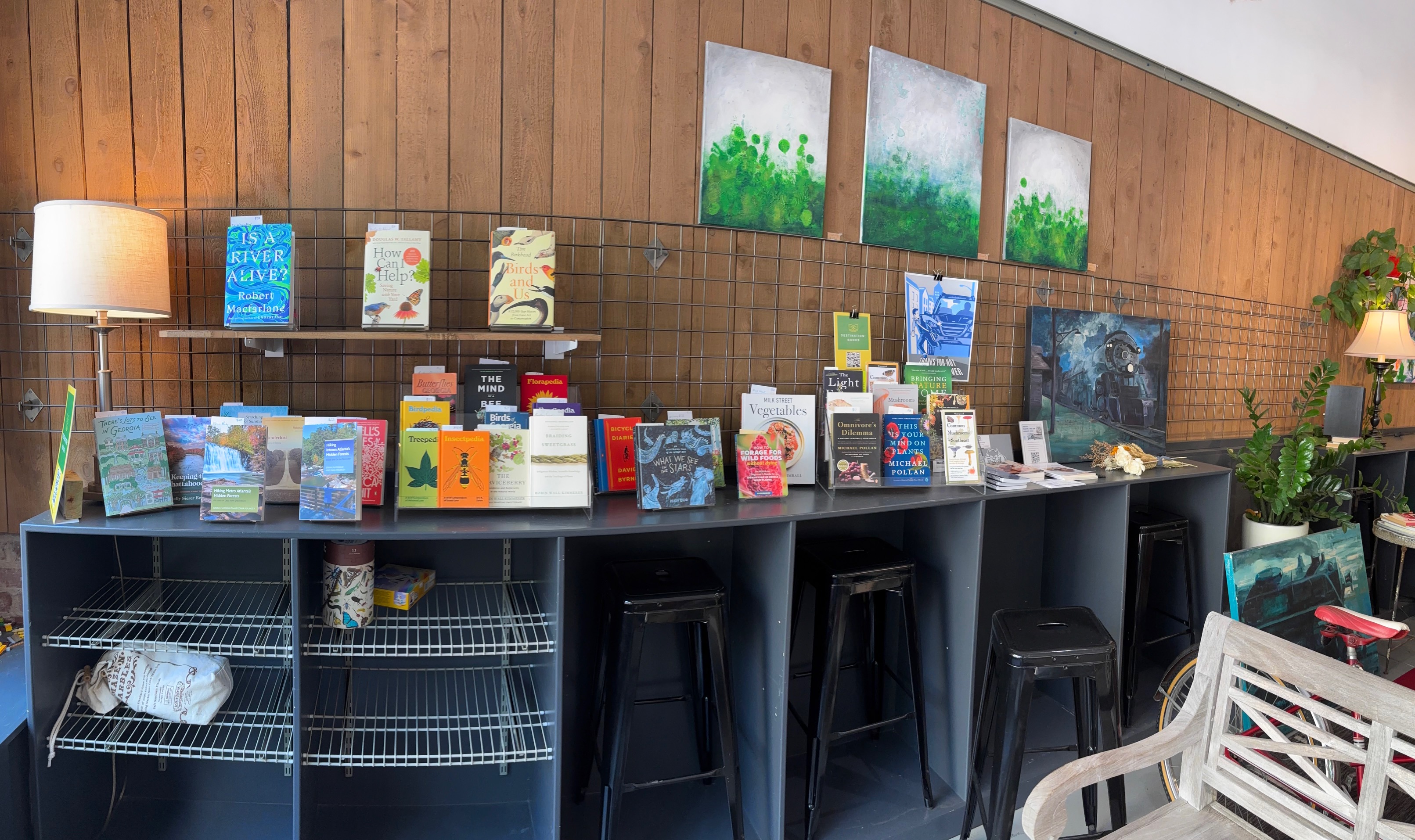
Destination Books has recently expanded its inventory and presence at the Journeyman Bike shop on Claremont Avenue near the Courthouse. The Journeyman offers a coffee and community vibe, and you can get your bike repaired there as well.
—– TITLE: One Less Bookseller DATE: 08/25/2025 11:14:23 AM —–
Don't be alarmed. Nothing is changing at Destination Books per se. We have a couple pop-ups scheduled for the Freedom Farmer's Market on Saturday morning September 13th and another at the Oakhurst Wylde Center on Saturday, September 27th. We will keep you posted as those dates draw closer.
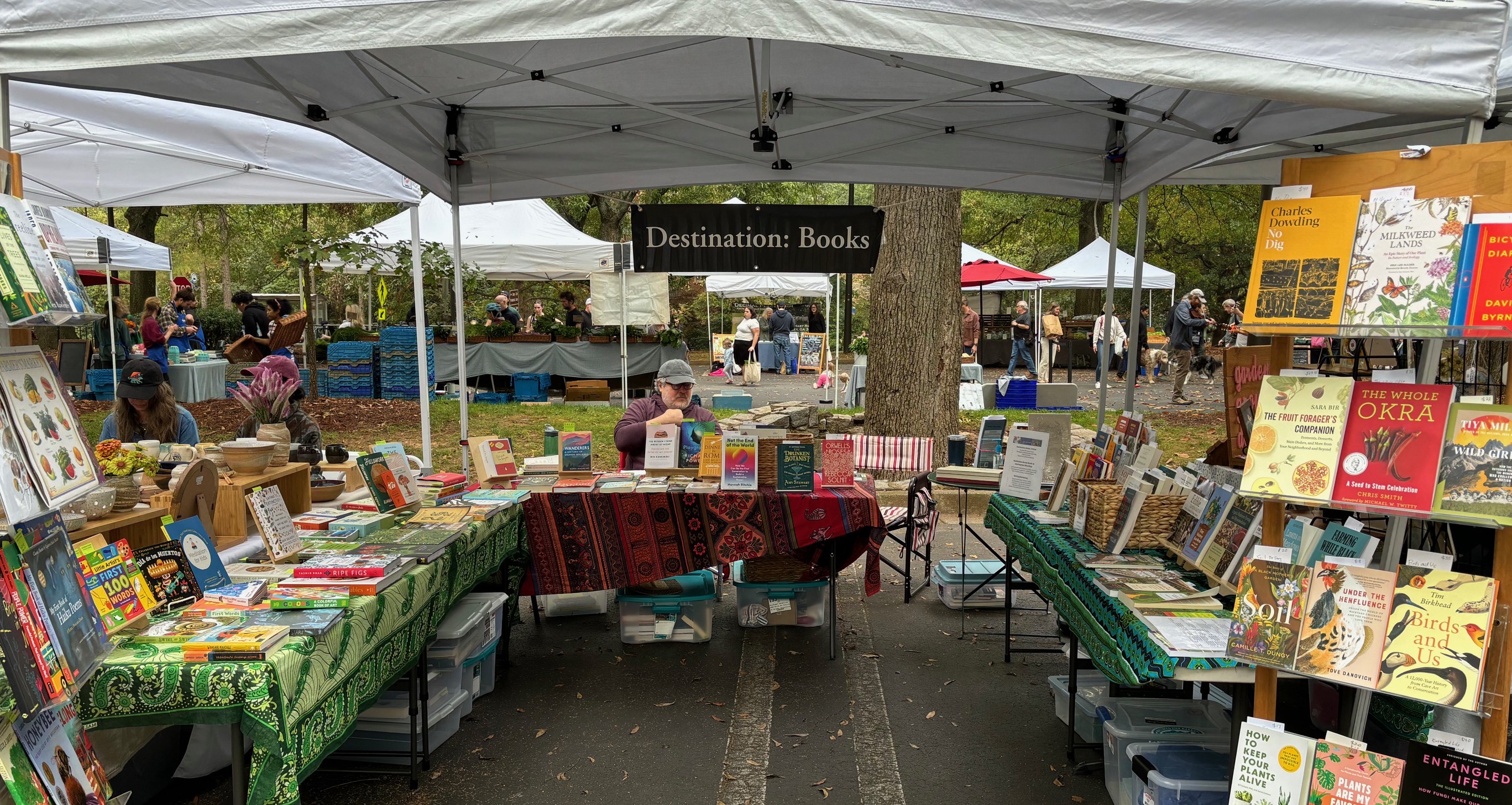
However for those of you who attended our pop-ups in past years my bookselling colleague (and mentor) Mark Burell who you may remember, is retiring from the Carlos Museum Bookshop. Sadly, the Emory Museum has decided to close his bookstore permanently on September 28th. (If Destination Books could be a brick and mortar store it would want to be the eclectic Carlos Museum Bookshop.)
You can find out more about the closing on our companion blog at http://bit.ly/41lXR7t
Many of our regulars know Mark and may be interested in visiting his store one more time before it closes. The best way to say goodbye is to buy an armload of books (while they last).
—– KEYWORDS: Carlos Museum, September bookselling events. —– ——– TITLE: Garden Problem Solvers DATE: 07/24/2025 04:18:11 PM —–
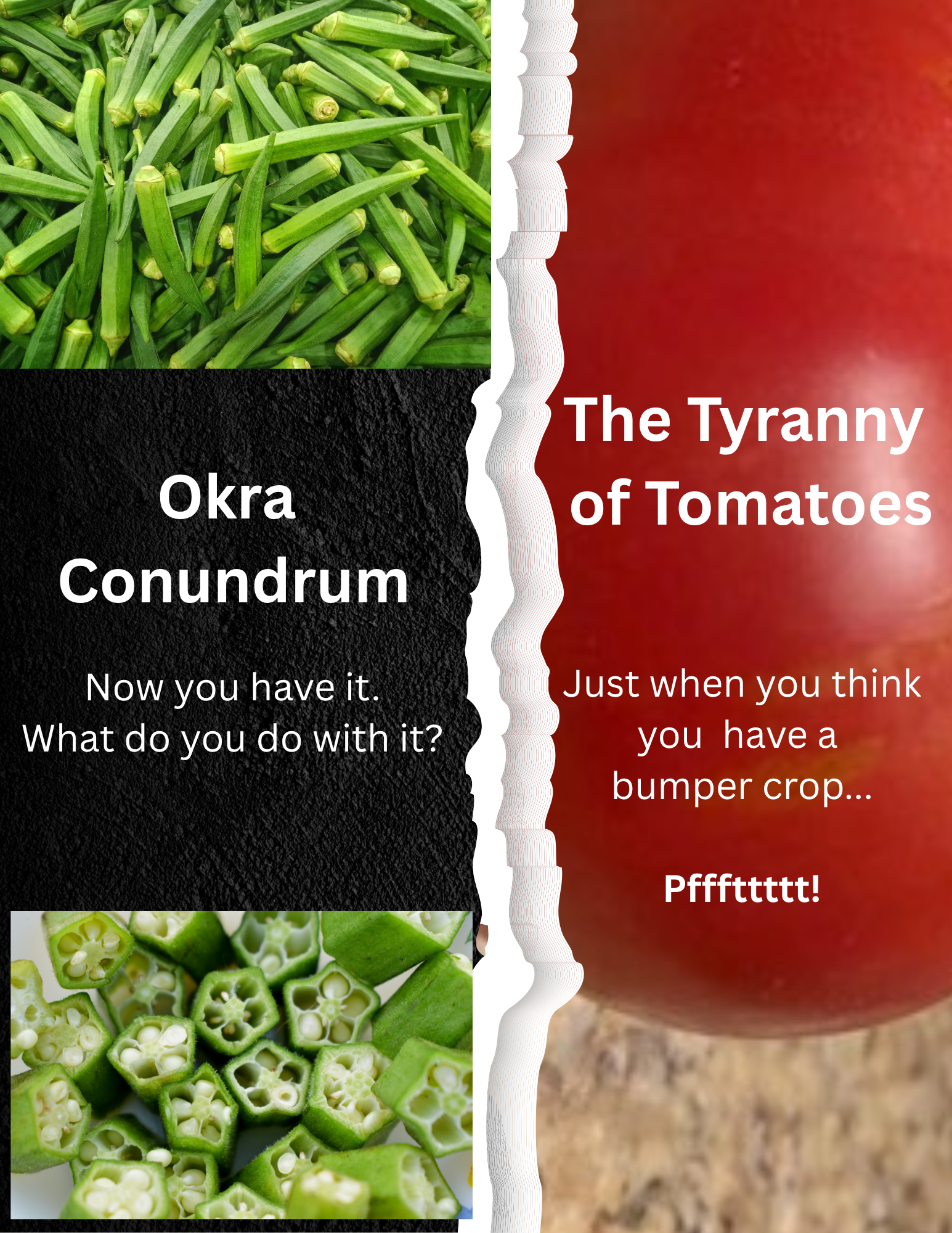
As we move into the summer harvest season, vegetable gardeners are often faced with two pressing issues, but Destination Books has solutions.
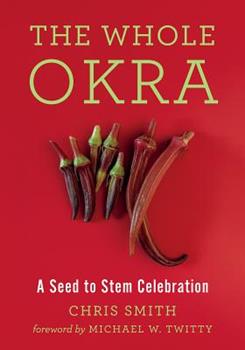 For those with an abundance of okra and a limited number of friends to share it with, Chris Smith's book The Whole Okra: A Seed to Stem Celebration can help. Smith includes recipes for okra including okra soup, okra gumbo, pickled okra and tips on how to freeze it, can it and dehydrate it. No need to find okra shareholders anymore— you can keep it all for yourself. He even suggests that okra can be used as a cosmetic. (Will it eliminate the bags under my eyes?)
The problem with tomatoes is kind of the opposite. Your summer crop is on the verge of setting enviable amounts of produce, but suddenly the foliage is yellowing-mottling-curling-wilting, or pests are chewing at leaves and fruit alike. And then there is deer or those "rodents with antlers". What can you do? That's when Craig LeHoulliers' Epic Tomatoes: How to Select and Grow the Best Varieties of All Time is the book you need.
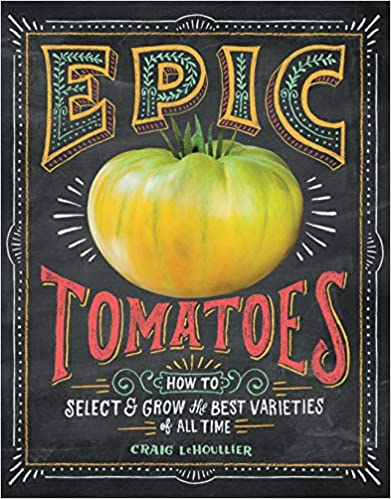 We will have both books on hand at our next pop-up Saturday morning, July 26th at the Freedom Farmer's Market at the Carter Center. And again on August 16th for Okra Festival.
Remember our credo: There is nothing that has a longer shelf life than a good reference book.
—– TITLE: Swiss Garden Tour —–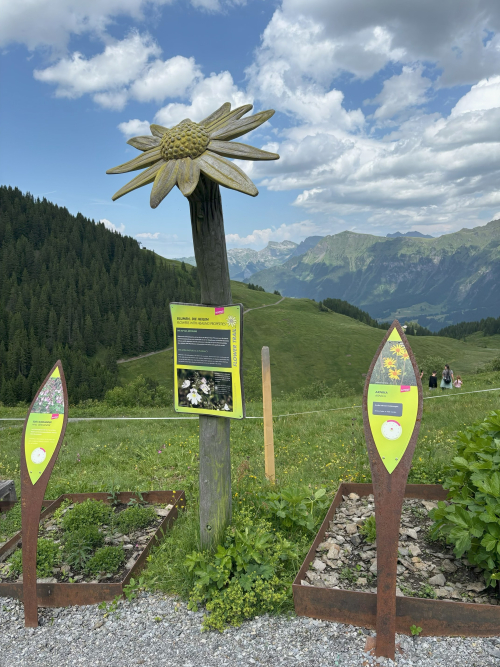
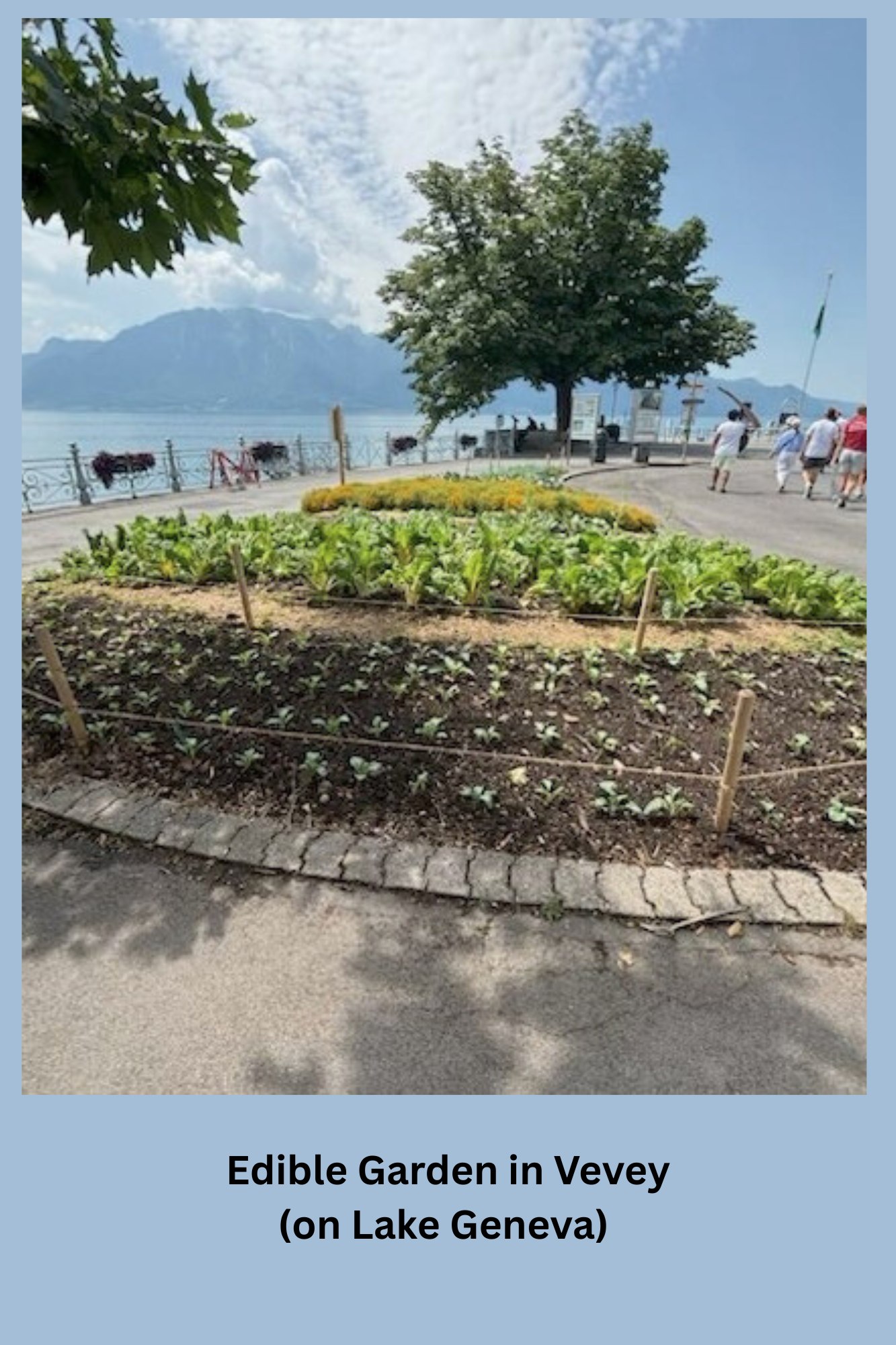
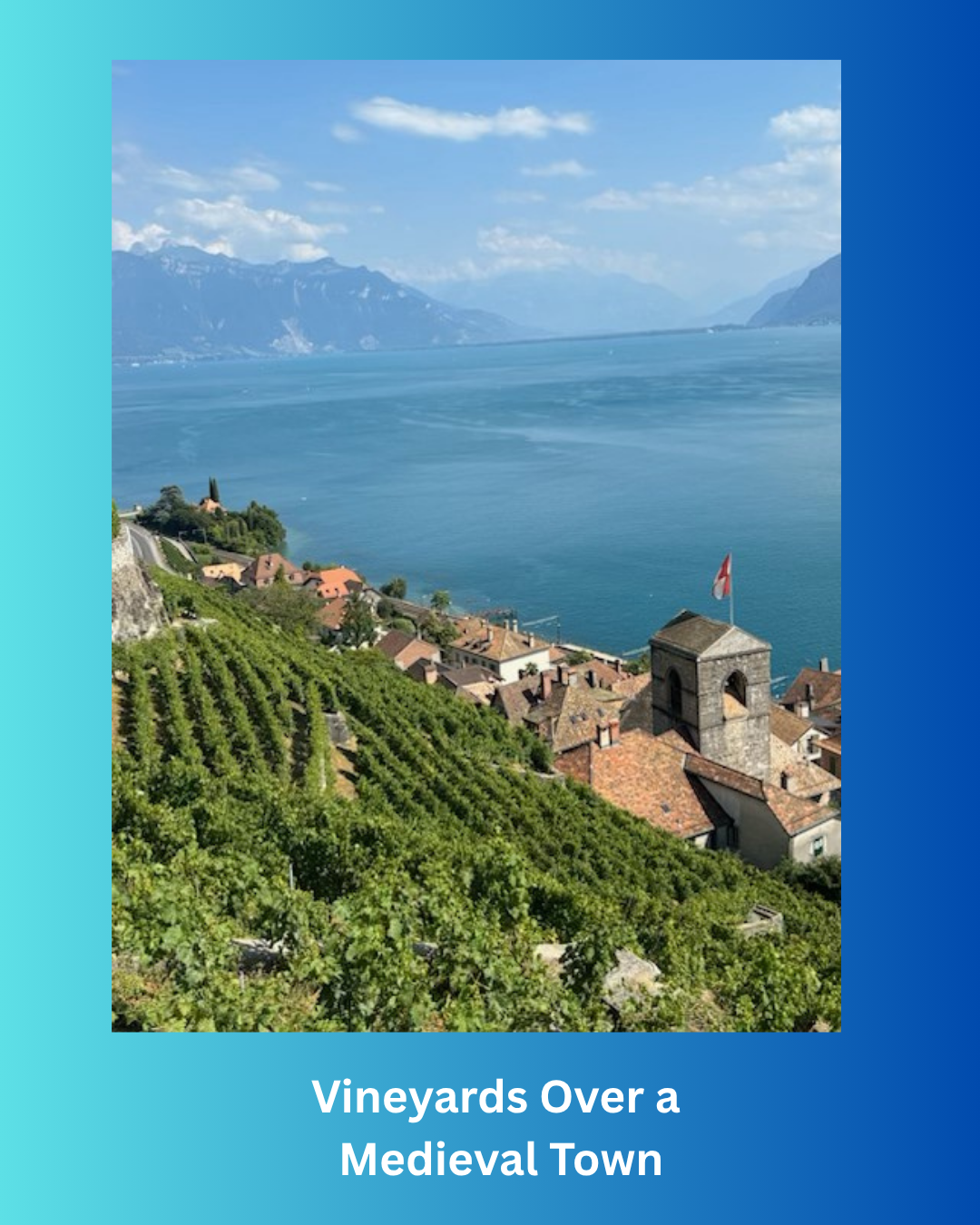
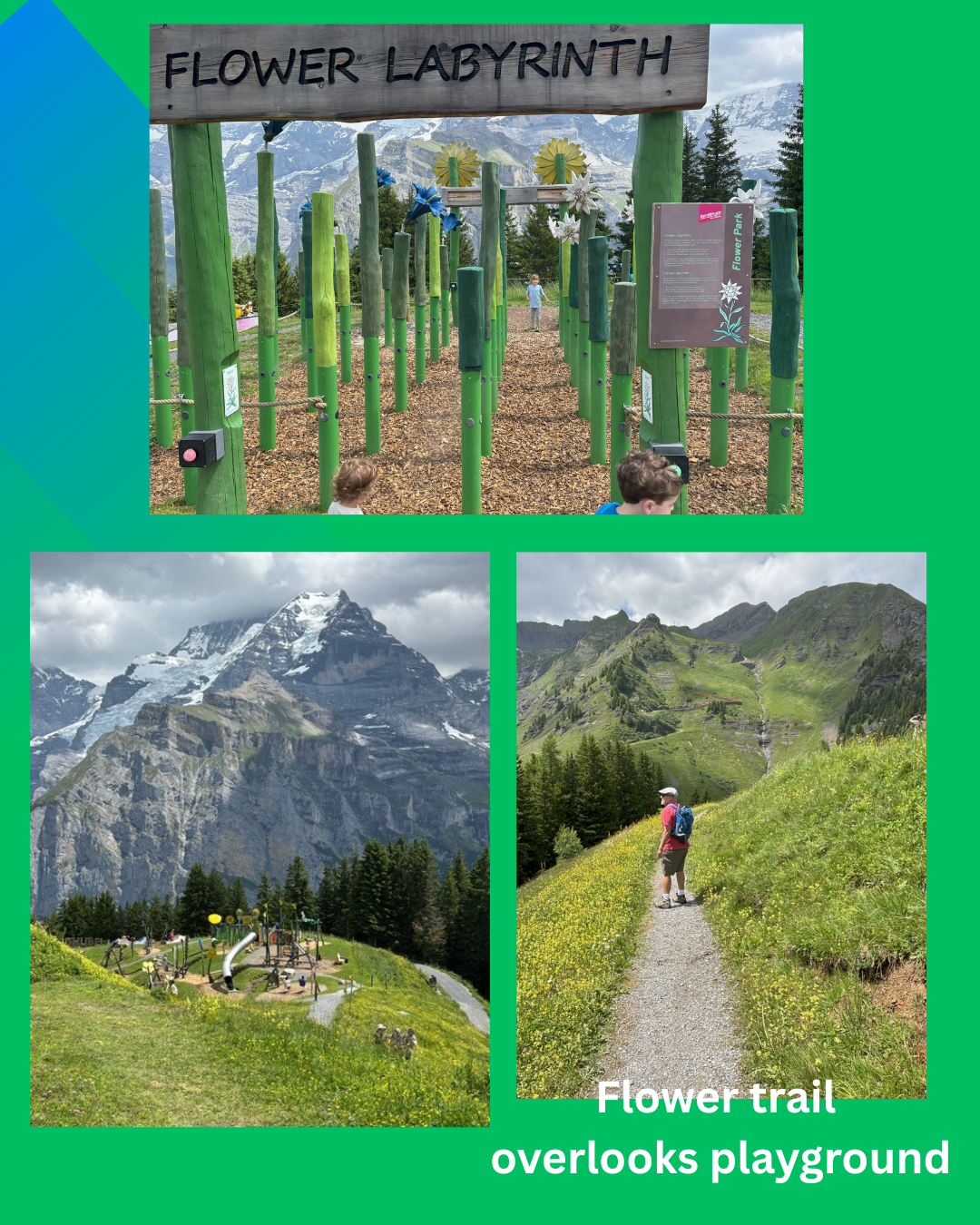
Destination Books has returned from a three-week trip in Switzerland. In short, the whole country is kind of one big garden tour from plots in the backyard, community gardens, and vineyards which include endless mountain panoramas. One place stands out is a mountain playground and flower trail which is a funicular ride from the town of Mürren.

Flower Trail and Playground Near Mürren
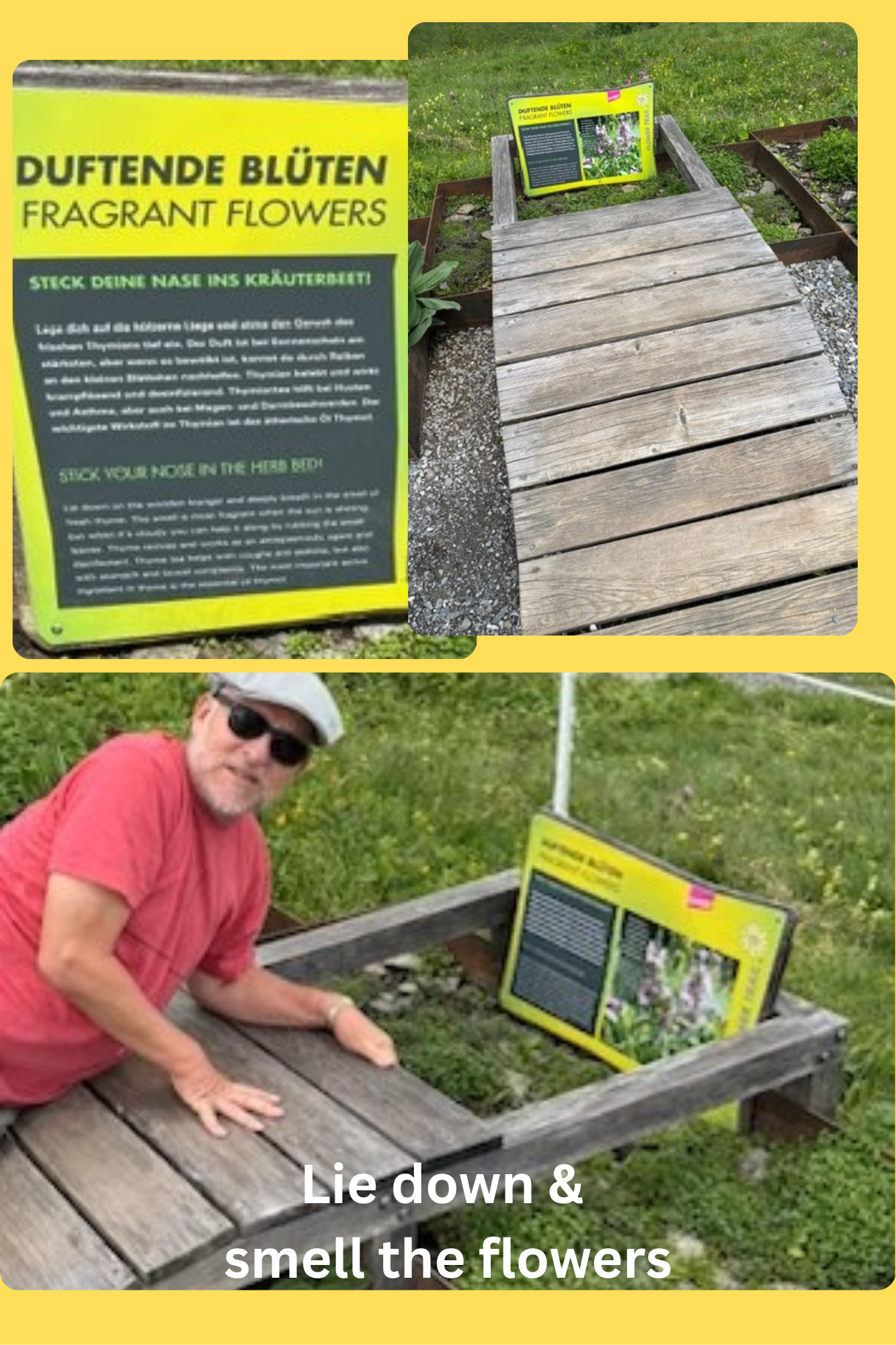
We intend to return to our regularly monthly popup bookselling on Saturday, July 26 at the Freedom Farmer's Market. In the meantime, if you really want to hear more about my trip to Switzerland, visit Swiss Reading Notes on my companion blog.
—– Switzerland, Murren, Vevey, —– ——– TITLE: Indefatigable Reference Books DATE: 05/15/2025 08:34:26 AM —– BODY: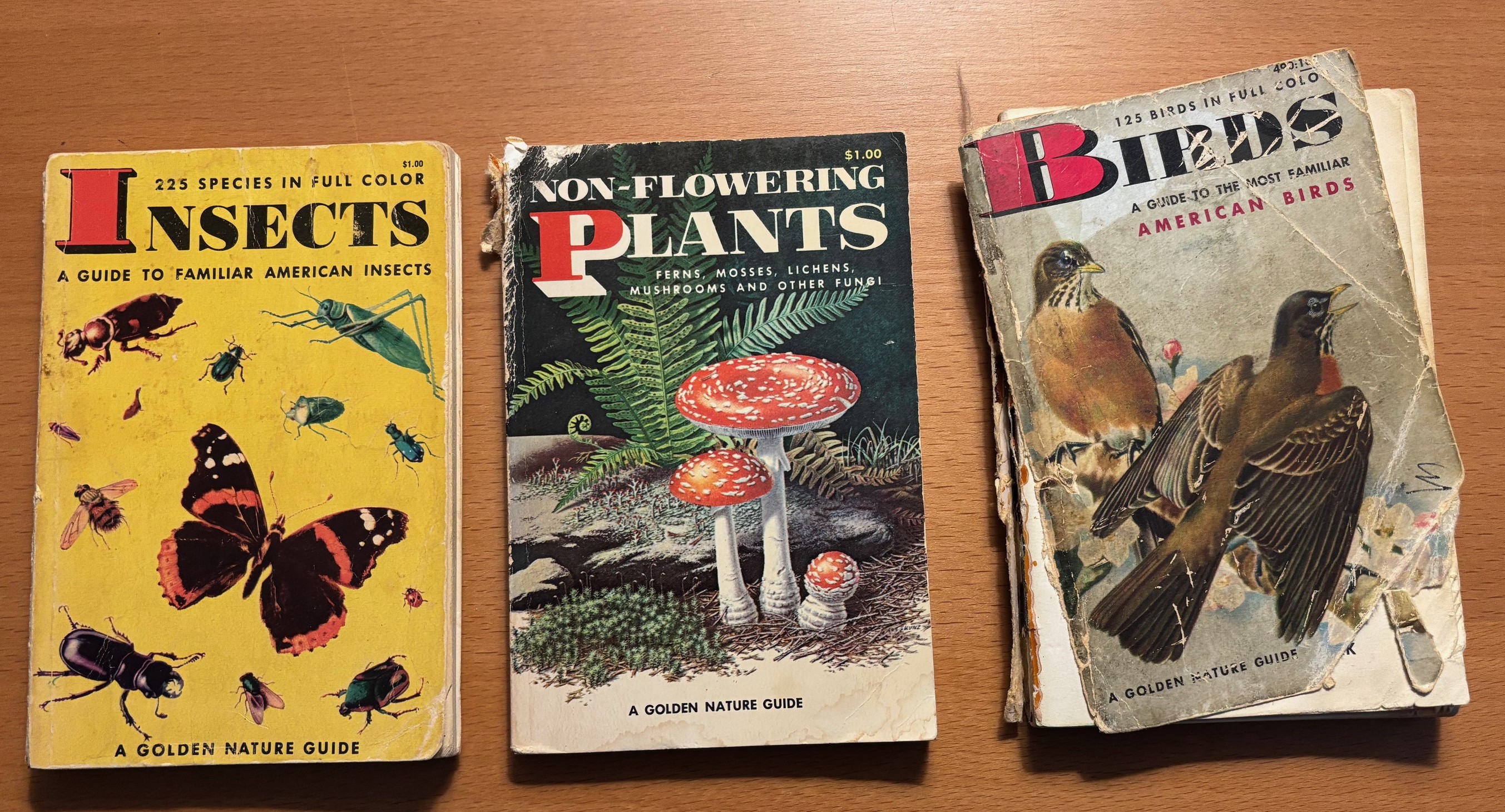
At our pop-ups I always say, "You can't beat a good reference book for shelf life." Case in point: These three books were on the shelves of my boyhood bedroom in the 1960s and remain with me to this day. They were part of the Golden Nature Guides. The bird book dates to 1956; the non-flowering plants book to 1967; and the insects book to 1964. Each entry has a thumbnail sketch of the United States indicating the habitat where each bug, bird, and non-flowering plant might be found.
Much has changed, I suspect. Hope to see you Saturday.
TITLE: Golden Nature Guides DATE: 05/06/2025 09:38:24 AM

Included in our inventory of gardening, nature and sustainability books are always several titles that are more “confrontational” in tone. I have been evaluating/reading two such books in the past month.
Airplane Model: An Irreverent History of Travel by Shahnaz Habib looks at the complicated pleasures of travel and travel writing. Born and raised in India’s southwestern state of Kerala, she provides a unique set of perspectives for a host of travel-related topics, but her tone is curious and illuminating without being harsh and condemning. Not only does she take the reader to the Hagia Sophia in Istanbul, the Churches of Lalibela in Ethiopia but gives us the history of travel and travel books – complete with bibliography.
Dark Laboratory: On Columbus the Caribbean, and the Origins of the Climate Crisis by Tao Leigh Goffe is more forceful in nature. She begins her wide sweeping historical analysis in the Jamaica where her grandfather grew up but “the lab” eventually includes many islands of the South Pacific. Topics include the natural and political science surrounding coral and guano.
Generally, these kinds of books generally don’t fly off our pop-up tables but there are enough interested readers/visitors to our booth which merits having books like these around. That is one of the pleasures of Destination Books for booksellers and patrons alike – a chance to discuss ideas that match our popup slogan: Destination Books “for the adventurous.”
Perhaps Habib summarizes the key element of both these books with this quote: “Reading is not a substitute for travel. Reading is travel.”
https://bookshop.org/widgets.js —– KEYWORDS: Dark Laboratory, Airplane Mode, Tao Leigh Goffe, Shahnaz Habib —– TITLE: Community Garden Tomato Dilemma DATE: 04/17/2025 08:49:20 AM —– BODY: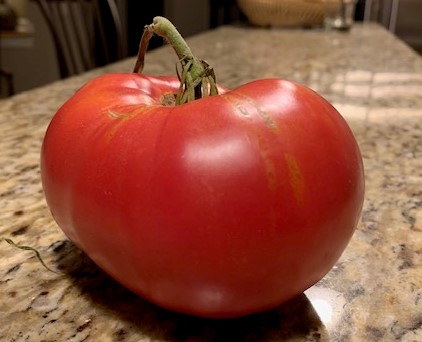 About this time each year, new gardeners sign up for our community garden. All of them are optimistic and many express their desire to grow epic tomatoes: Better Boys, Romas Brandywines, or Cherokee Purples — you name it. As a grizzled vet of the plot and a founding member of the Friends of the Scott Garden Compost Bins I recognize the optimism, but in my five years there I have learned that our community garden isn’t conducive to raising tomatoes.
One reason is that many of the plots do not get the minimum of six hours of direct sun needed for sustained tomato growth. Many of the tall trees surrounding the garden cast shadows throughout the day.
But secondly and more importantly much of the soil in our gardens (we suspect) is contaminated by the kind of parasitic root nematodes which causes tomato wilt. It’s devastating because it happens suddenly – practically overnight. One day you have a beautiful Brandywine plant* and BOOM! Nothing. The solution for tomato wilt according to Greg LeHoullier’s Epic Tomatoes or Jean-Martin Fortier’s Tomatoes: A Grower’s Guide is to avoid trying to grow tomatoes for years because these microscopic critters live in the ground have quite a half-life.
So, here’s the dilemma, should one tell the newcomers to the garden about our garden’s history or should I just avoid crushing their hopes into tomato paste and let them find out for themselves (part of a gardeners learning process)? Of course, one could be wrong. I recall a few years ago there was a woman had a super harvest of tomatoes. She is still a legend.
So please stop by our next popup booth at the Carter Center Freedom Farmer’s Market on Saturday morning April 19th and share your thoughts while browsing amongst the many books we have for sale.
* The Brandywine tomato shown in this posting came from my community garden plot. It was the ONLY tomato harvested before the plant was struck down by wilt. Sigh.
—– EXTENDED BODY: —– EXCERPT: —– KEYWORDS: Greg Lehoullier, Epic Tomatoes, Jean-Martin Fortier, Tomatoes: A Grower’s Guide —– ——– AUTHOR: Murray Browne AUTHOR EMAIL: murray.browne905@gmail.com TITLE: Destination April Events STATUS: Publish ALLOW COMMENTS: 1 CONVERT BREAKS: wysiwyg ALLOW PINGS: 0 BASENAME: destination-april-events CATEGORY: Events UNIQUE URL: https://thebookshopper.typepad.com/destination_books/2025/04/destination-april-events.html DATE: 04/02/2025 02:24:04 PM —– BODY:Traditionally this a busy time of year for Destination Books and 2025 is no different:
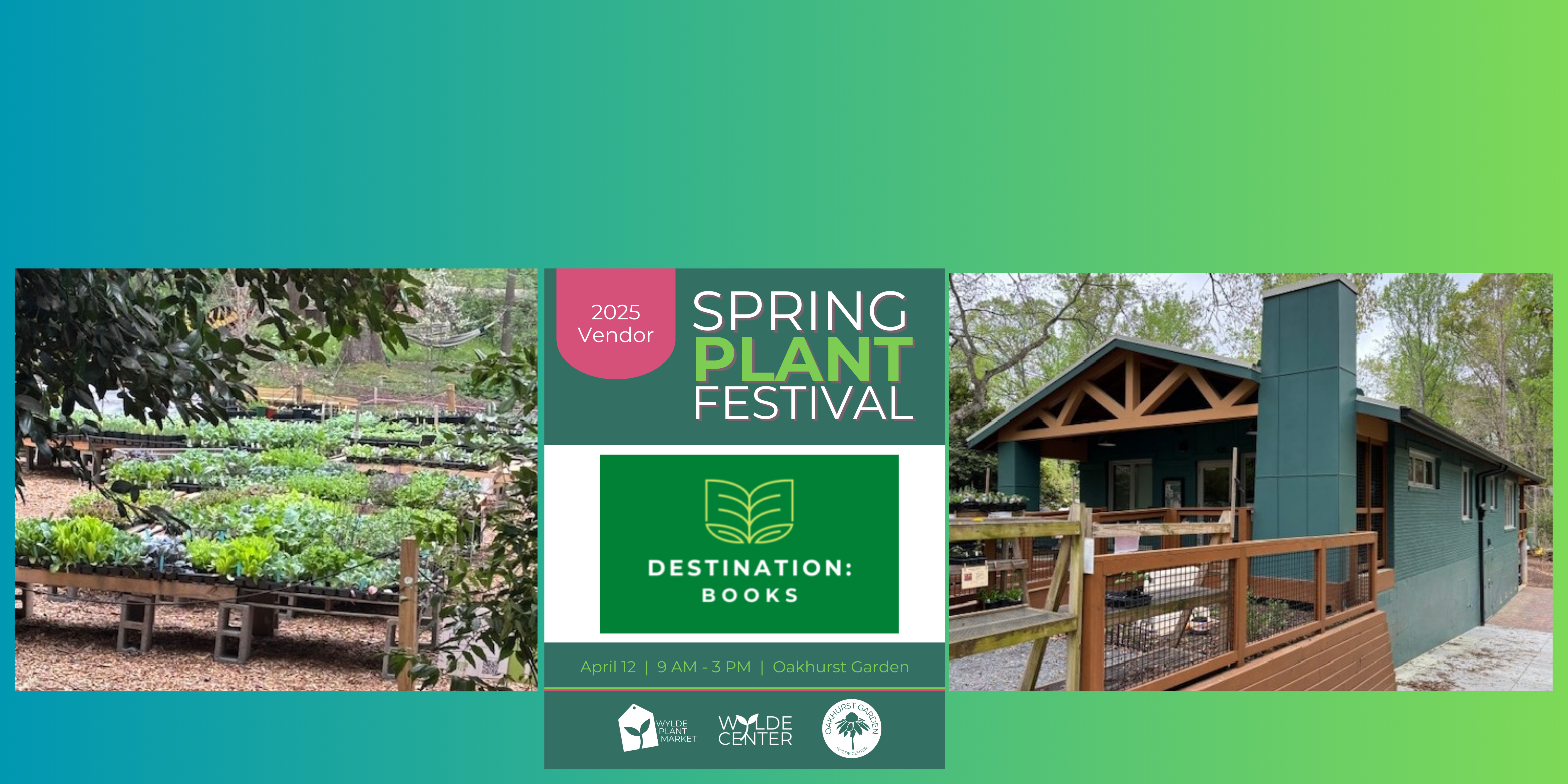
April 12th, 9 a.m. to 3 p.m. This will be our fourth year at the Wylde Center Spring Plant Sale. It is always a great vibe and having the popup at their rejuvenated home headquarters in Oakhurst Gardens should be no different.
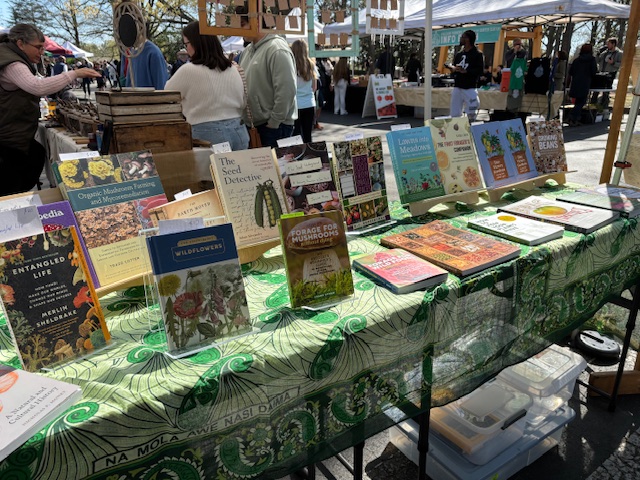
April 19th, 8:30 a.m. to noon. If you count the lost year of the Pandemic, this is our fifth year at the Carter Center's Freedom Farmer's Market. We always enjoy visiting with our regulars who like to talk books and chatting with out-of-towners who are always complimentary of our curated collection.
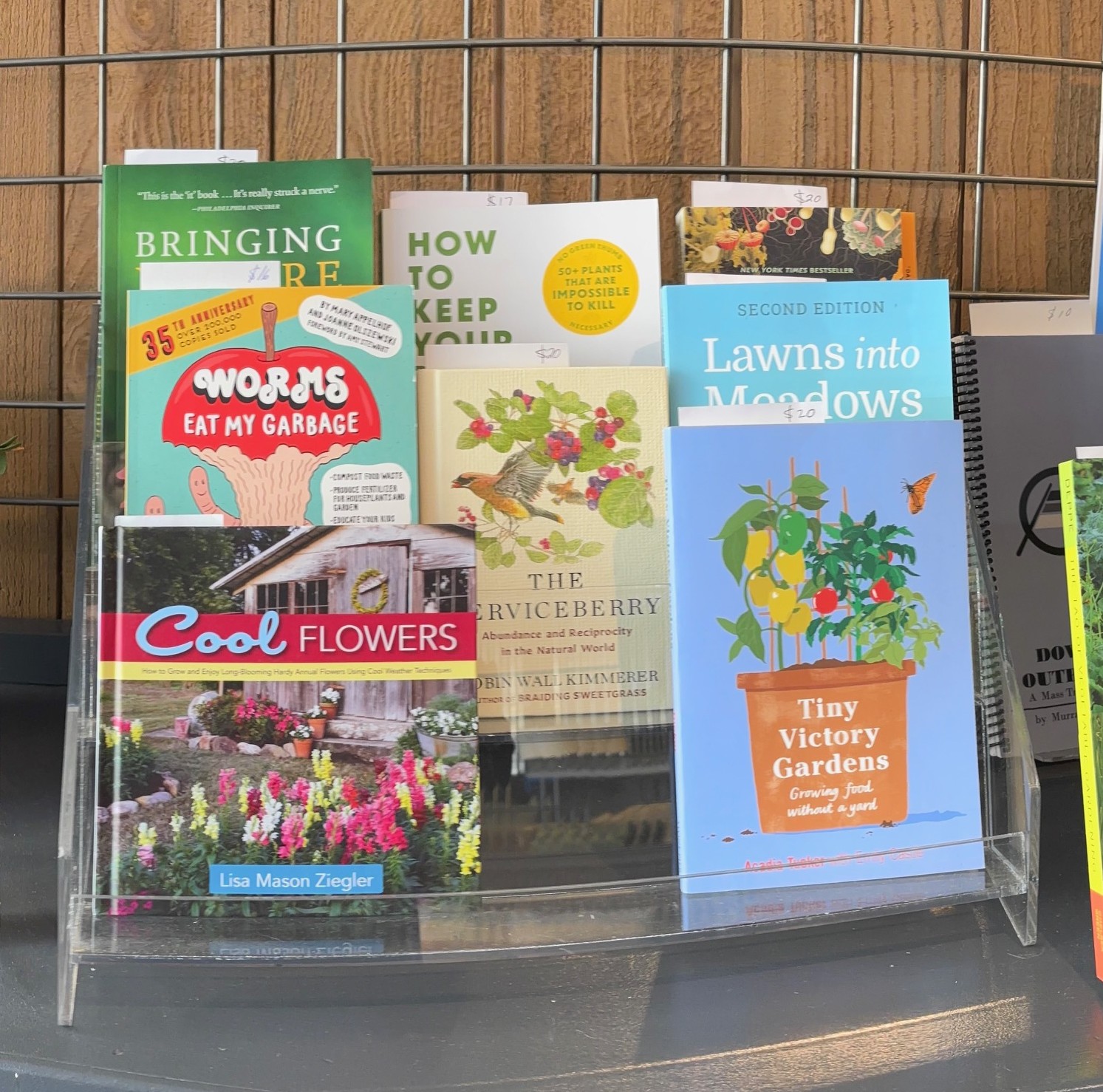
Throughout the month of April. We keep a stocked booth at Journeyman bike shop in downtown Decatur (on Claremont) where you can browse for books, drink coffee, play with Legos and get your bike serviced for the cycling season.
An eventful week here at Destination Books on both a personal and professional level.
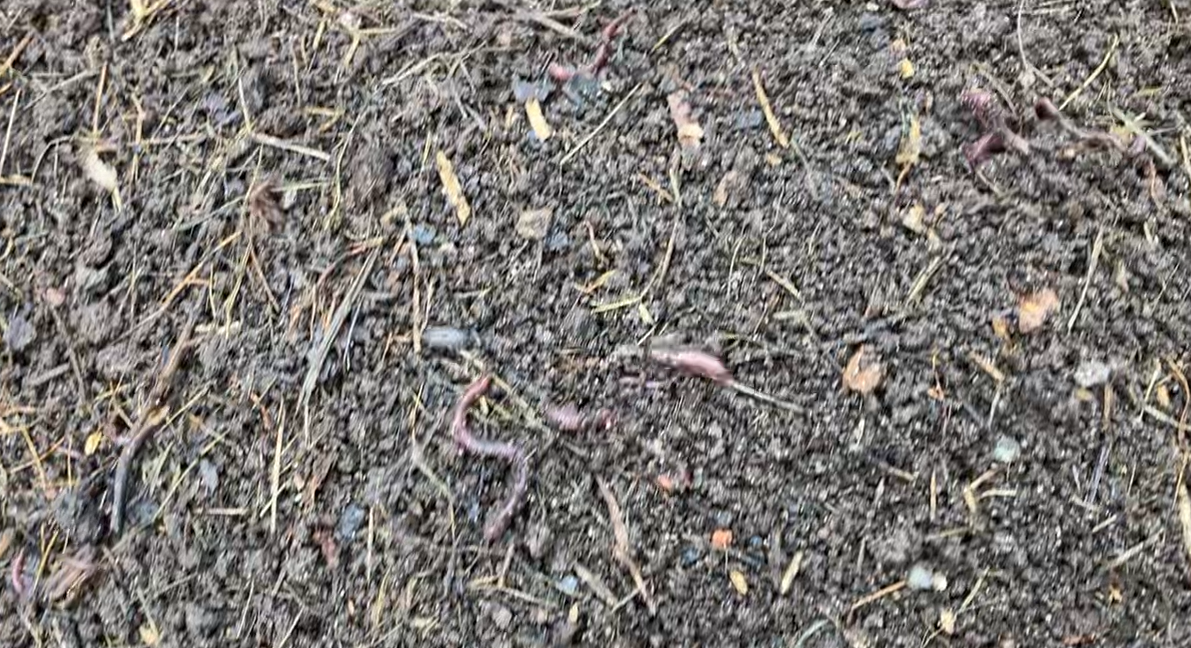
Event 1: The Releasing of the Worms. As founding members of the Friends of the Scott Community Compost Pile in Decatur, we are harvesting some fine compost after a year of curation. This could not have been done without the red wrigglers. See video here if you dare.
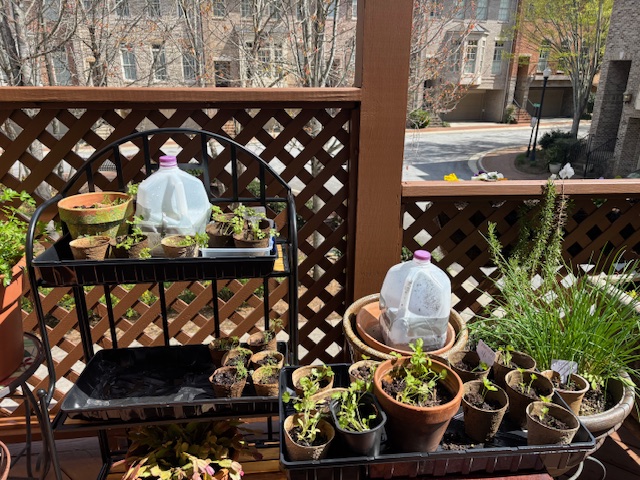
Event 2: Green Technology Transfer. We started many seeds in milk jugs in January (a process we learned from a recording made at the Wylde Center) and now they are ready to move into their individual pots. Planting time is nigh.
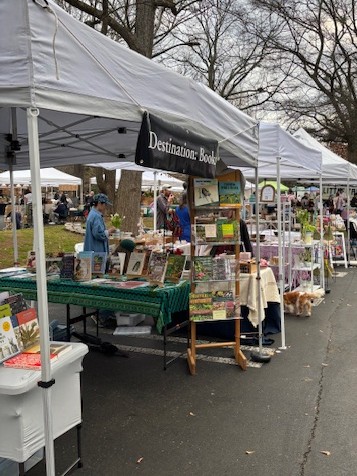 Event 3: Book Popup at the Carter Center's Freedom Farmer's Market on Saturday morning, March 22nd. We have the freshest gardening books in Atlanta.
—– KEYWORDS: Scott Community Garden, Red Wrigglers, Freedom Farmer’s Market —– ——– TITLE: My Report Card DATE: 02/27/2025 08:36:07 AM —–
Just like when you are a kid, when you get a good report card you like to show it around— in contrast to when your grades are lousy…
Here's the story.
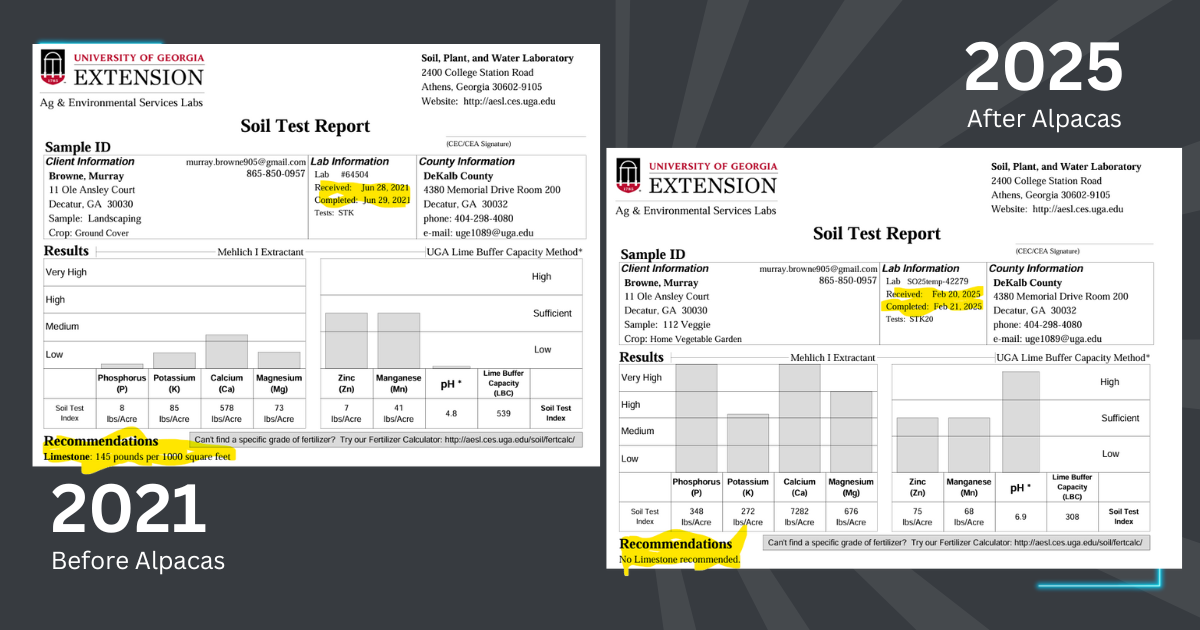
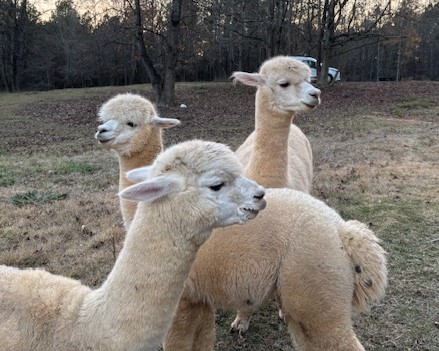 With the help from my daughter Bonnie's alpaca friends Silas, Monroe and Bishop (shown here front to back), I have been able to improve the soil quality at my development's pollinator plot. Originally it was a miserable stretch of weeds and construction waste that I have been working on since 2021 ( inspired by Doug Tallamy's Nature's Best Hope). According to my latest soil test (see below) which I just got back from the University of Georgia Extension Service these alpacas (and others before them) have been providing top quality manure, which I have added into my soil.
Those in the know rave about alpaca manure because it is rich in nutrients and good for rebuilding the soil. Also it is relatively mild to apply and it doesn't stink like other animal waste.
I did provide other soil amendments and planted other restorative plants as well, but I think these results are no coincidence. Then again, I am no soil expert, just a popup bookseller who deals in books on gardening, sustainability and related topics.
We'll have Tallamy's other book at our next popup at the Carter Center's Freedom Farmer's Market on Saturday morning, March 1st. Please stop by and you are welcome to set me straight on my interpretation of the lab tests. (You can click on photo to expand to have a better understanding what I am referring to.)
—– KEYWORDS: Alpaca, alpaca manure, Douglas Tallamy, Nature’s Best Hope, Freedom Farmer’s Market, Carter Center —– ——– TITLE: Expanded Inside Inventory DATE: 12/12/2024 08:40:22 AM —–
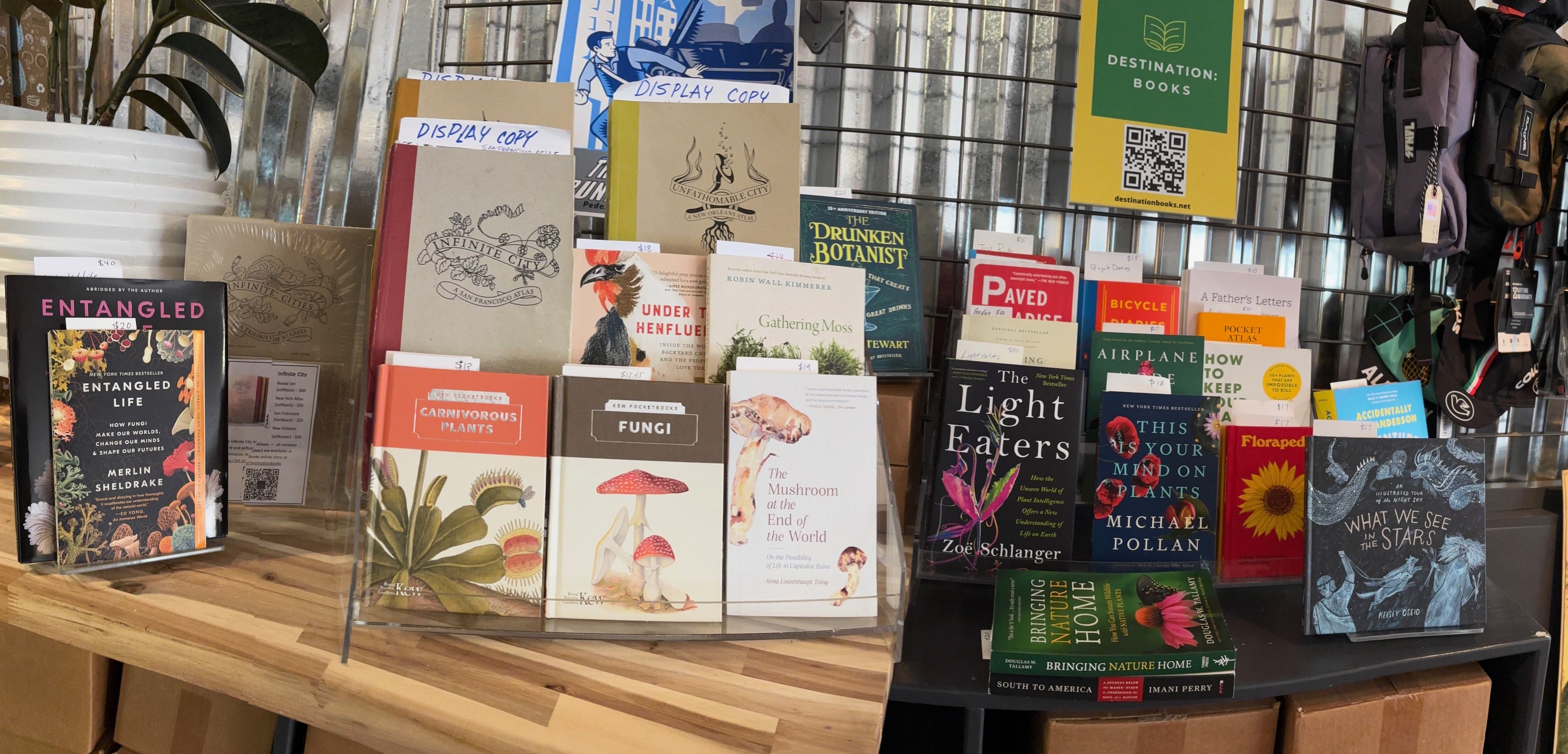
During the month of December, we've expanded our booth inventory at the Journeyman in Downtown Decatur. We've included some of our more popular titles and travel books. Here are several samples of our offerings:
Rebecca Solnit Infinite Cities: Trilogy of Atlases.
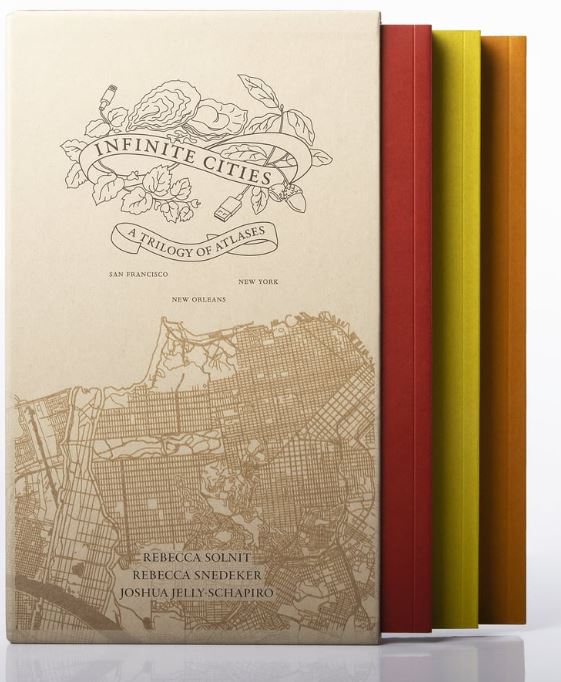 Rebecca Solnit a prolific activist, social historian and author spearheaded a three-book collection known as Infinite Cities. Published individually as Infinite City: A San Francisco Atlas (2010) Unfathomable City: A New Orleans Atlas (2013), and Nonstop Metropolis: New York City (2016) the University of California Press re-issued the books as a boxed set in 2019.
This three-volume boxed paperback set contains:
- The original, gorgeously designed atlases–Infinite City: A San Francisco Atlas; Unfathomable City: A New Orleans Atlas; and Nonstop Metropolis: A New York City Atlas
- Three new and updated, full-color, fold-out posters for each city, including the popular "City of Women" map
- A new and thoughtful essay by Solnit reflecting on the project ten years after the publication of the first atlas
Her unique books on New York, New Orleans and San Francisco are available individually. (The new books are hermetically sealed but display copies are provided so you can browse.) In the words of one reviewer, each volume contains "historical, cultural and biographical essays are interspersed with photographs and maps that inform and revise our understanding of America's most storied places."
Another similar book that is truly a unique take on travel is:
Pocket Atlas of Remote Islands: Fifty Island I Have Not Visited and Never Will (2009) by Judith Schalansky.
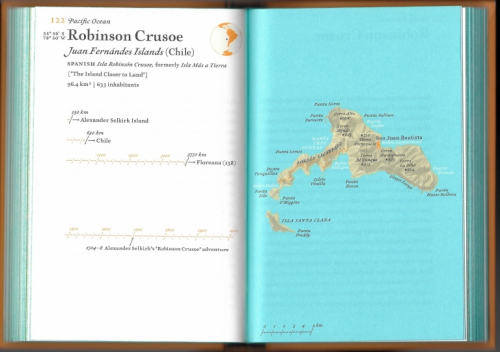 The German author and graphic artist Schalansky credits the idea when she surveyed a giant globe in the Berlin National Library and began studying the tiny islands names that dot the blue expanses of the ocean. First, she collected the facts including their longitude and latitude coordinates, their current population (if any), a timeline of major events and their distance to nearby continents or other remote islands. Some you may have heard of such places as Easter Island, Iwo Jima, or Christmas Island but she gives equal billing to some uninhabited ones like Deception Island (near Antarctica), Bouvet Island (in the South Atlantic) or the cold and barren Lonely Island (near the Arctic Circle).
She dedicates four pages to each entry/chapter. The first two pages provide the facts and the timeline and a detailed map including points of interest such as elevation, bays and any villages. Pages 3 and 4 are very short essays about the history or geological/biological makeup of the place such as the Pacific Isle of Banaba, which is made up entirely of phosphate from centuries of bird guano buildup. Schalansky's writing style has been aptly described in The Paris Review " as a prose poem of sorts. Facts sit side-by-side with a kind of highly personal fiction; we are given latitudes and detailed maps, but also lore and speculation."
Accidently Wes Anderson
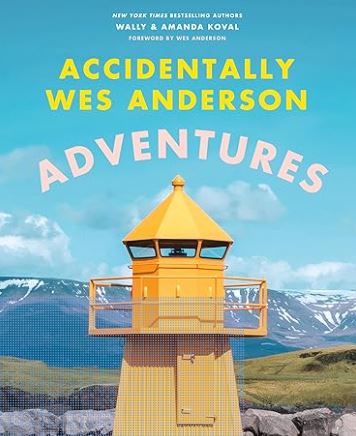 This is one of the Wes Anderson inspired travel books. You are familiar with the films of Anderson—The Grand Budapest Hotel, The French Dispatch and Asteroid City, the latter which you probably still don’t understand even after sitting through it twice. Through crisp photography of these exotic places you become immersed in the Wes Anderson orbit.
More about the Journeyman
The "full" name of the Journeyman is the Guild + Journeyman. More than an indoor haven for Destination Books, Journeyman is a bike repair and accessories shop with a coffee shop vibe. And they sell an array of products ranging from Legos to Rooftop Refillery. The latter is booth inside the Journeyman that has an inventory of clean environmentally friendly products.
The Journeyman on Claremont –near the Old Courthouse — is open daily, Tuesday to Sunday. 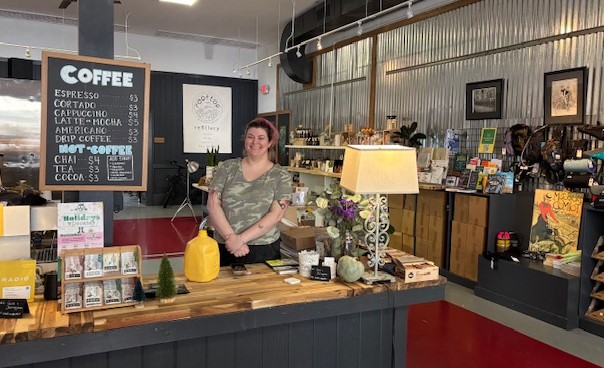
—– KEYWORDS: Infinite Cities, Rebecca Solnit, Wes Anderson, Judith Schalansky, Journeyman, Decatur – TITLE: End of the Year Book Selling DATE: 12/04/2024 10:29:50 AM
 December marks the end of our fourth year doing popups at the Freedom Farmer’s Market at the Carter Center in Atlanta. (Officially, you could say fifth year, but our 2020 season was severely truncated by the Pandemic). Weather permitting, we will be out there on Saturday morning, December 7th. Cold weather does not bother us as we come equipped with hand and toe warmers and there are vendors serving hot coffee nearby (book burning is not an option).
In a more temperate venue, we also carry a sample of our offerings at Journeyman in 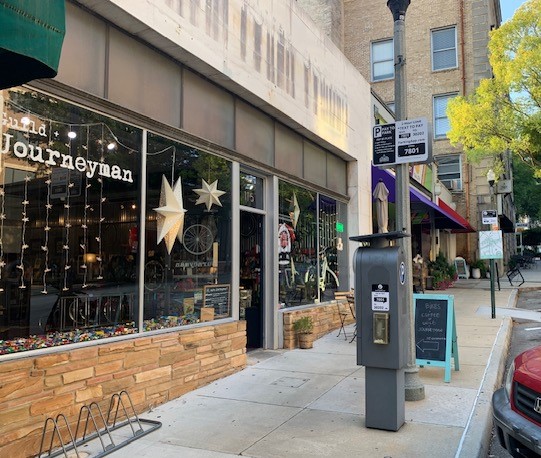 downtown Decatur located near the Courthouse on Claremont Avenue. We have had our booth with them since the Fall of 2023. The Journeyman goes beyond being a bicycle repair and accessories shop, it also has a community coffee hangout vibe and our books reflect this.
For example, on Saturday afternoon (12/7) they are hosting a Maker’s Marketplace.
And finally, Destination Books has an online presence where we have stocked with some of the more popular books you’ve liked from the popups. It even has a few related categories such as Books on Books and Best of the Book Shopper, another blog we manage that has been spewing its opinions about books and book culture since 2009. Where else can you buy a copy of Jose CarriÓn's Against Amazon and Other Essays?
Our online store is powered by Bookshop.org and books purchased there raises money for local bookstores — even pop-ups like this one. Sometimes Bookshop run deals on free shipping, and they are good about delivering books in a timely manner. And remember —
—– —– KEYWORDS: Freedom Farmer’s Market —– TITLE: Unreadable Books Can Make Great Gifts DATE: 11/21/2024 05:21:20 PM —–"There are no booksellers on Amazon. Human book recommendations were eliminated because they were understood to be inefficient and because they torpedoed speed, the only value the company recognizes." – Jose Carrion, Against Amazon and Other Essays
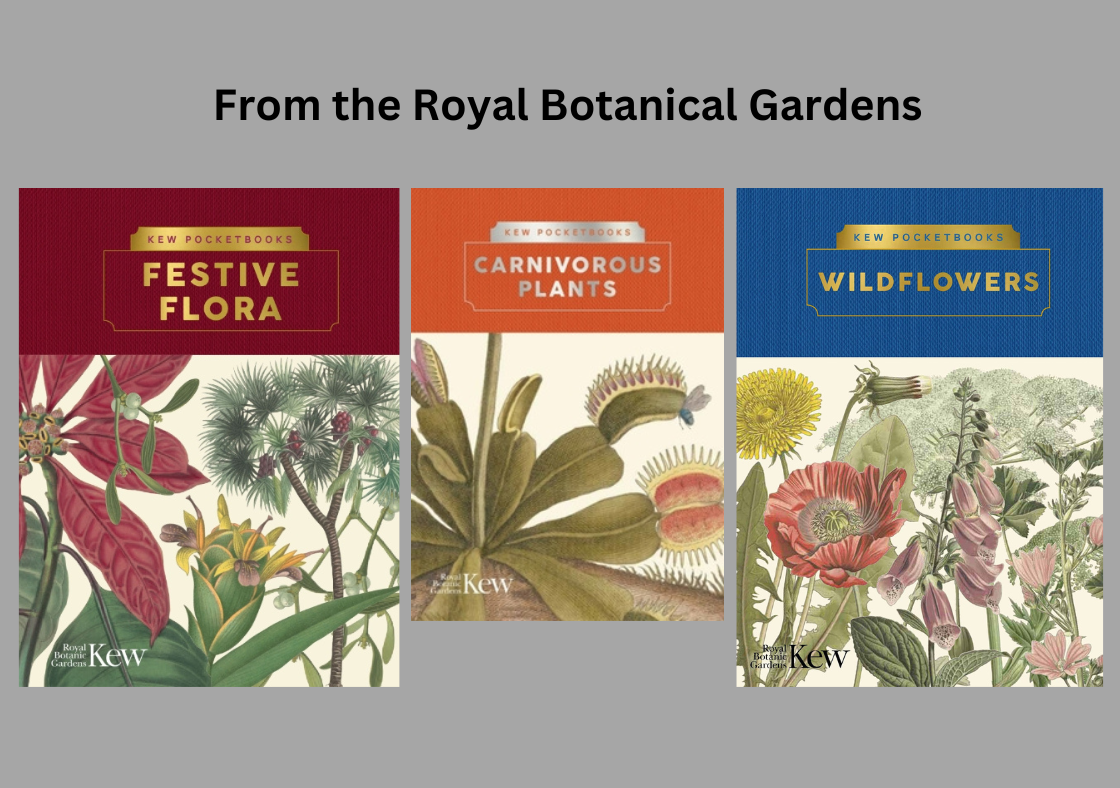
No, I am not talking about re-gifting. I am referring to gorgeously printed books that are illustrated with artwork or photographs of distant places.
A good example is the Kew Pocketbooks Garden books that are a collection of illustrated watercolors, oils, prints, and drawings from the Royal Botanical Garden’s collection (not many words – hence unreadable). Each book is dedicated to a single species covering separate topics (i.e. Wildflowers, Carnivorous Plants and Fungi).
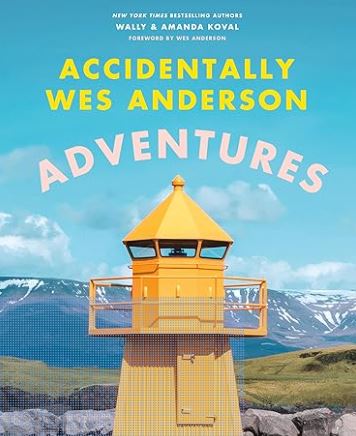
Another example is the Wes Anderson inspired travel book Accidently Wes Anderson Adventures. You are familiar with the films of Anderson—The Grand Budapest Hotel, The French Dispatch and Asteroid City, the latter which you probably still don’t understand even after sitting through it twice.
The book matches the look and feel of a Wes Anderson film. No reading necessary.
We will have these books and more at our next popup at the Freedom Farmer’s Market at the Carter Center in Atlanta on Saturday morning November 23rd. This will likely be our second-to-last pop-up of the year.
—– EXCERPT: —– KEYWORDS: Kew Pocket Books, Wes Anderson Book —– ——– TITLE: The Gift of Travel DATE: 11/10/2024 10:26:09 AM —–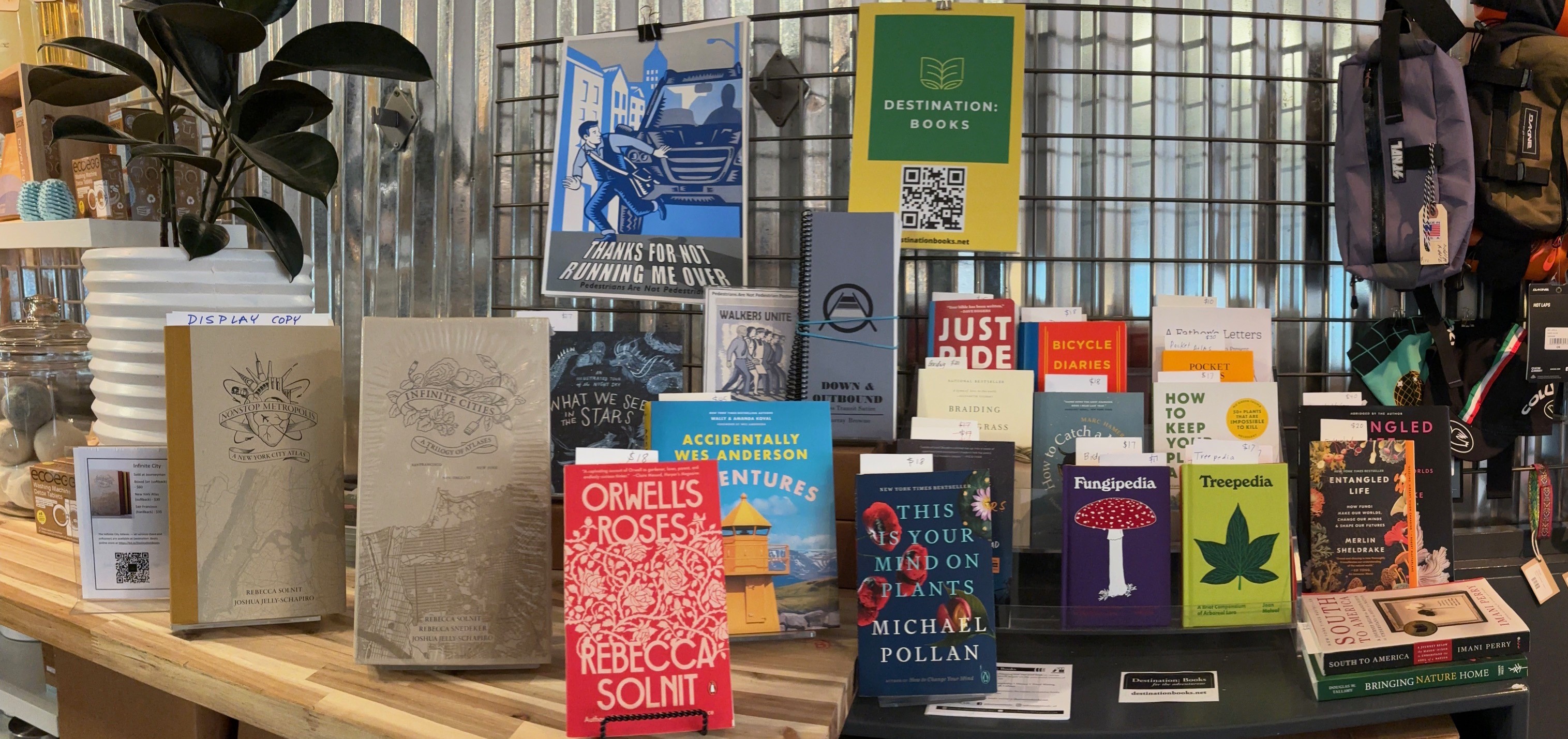
Destination Books–in living up to its name–is a bookseller that promotes travel as well as books on gardening and sustainability. We've recently added a series of unusual atlases to our inventory especially for those of you who may want to get out of town for a while.
Rebecca Solnit a prolific activist, social historian and author spearheaded a three-book collection known as Infinite Cities. Published individually as Infinite City: A San Francisco Atlas (2010) Unfathomable City: A New Orleans Atlas (2013), Nonstop Metropolis: New York City (2016) the University of California Press re-issued the books as a boxed set in 2019.
This three-volume boxed paperback set contains:
- The original, gorgeously designed atlases–Infinite City: A San Francisco Atlas; Unfathomable City: A New Orleans Atlas; and Nonstop Metropolis: A New York City Atlas
- Three new and updated, full-color, fold-out posters for each city, including the popular "City of Women" map
- A new and thoughtful essay by Solnit reflecting on the project ten years after the publication of the first atlas
However, the books are available individually.
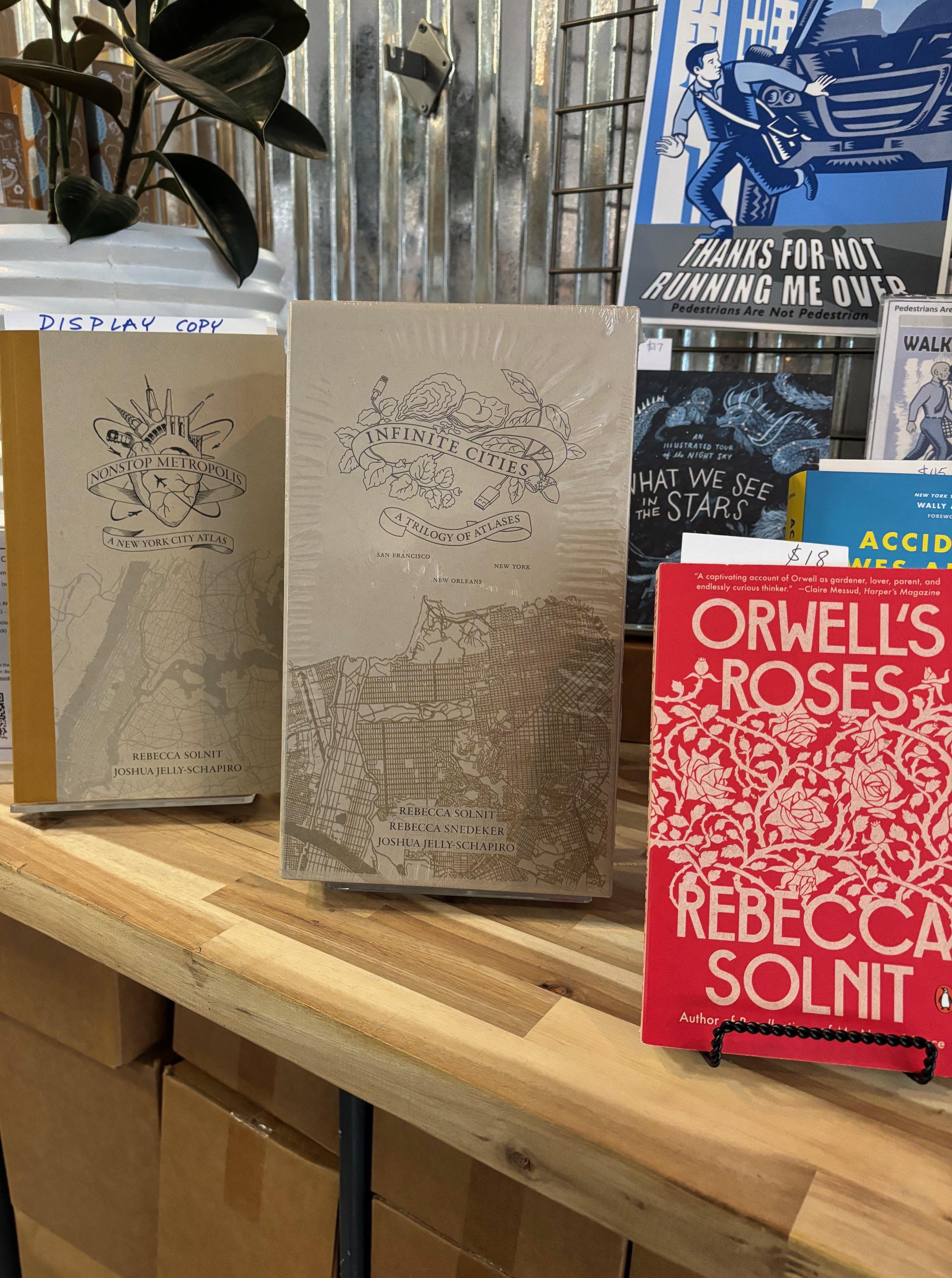 I have provided my personal dog-eared copies on loan at my booth at the Journeyman in downtown Decatur so people can check them out (The new books are hermetically sealed.) You will discover in the words of one reviewer, that each volume contains "historical, cultural and biographical essays are interspersed with photographs and maps that inform and revise our understanding of America's most storied places."
I plan on bringing them to my next popup at the Freedom Farmer's at the Carter Center, scheduled for November 23rd weather permitting.
If you cannot make to the Journeyman, the atlases are also available at my online store along with other Solnit standards like Hope Against the Dark (currently on backorder) which she wrote after the 2004 election. Her recent essay in The Guardian "Authoritarians Like Trump Love Fear, Defeatism and Surrender. Do Not Give Them What They Want" is equally inspirational.
Clicking on the QR code below will take you directly to the store.
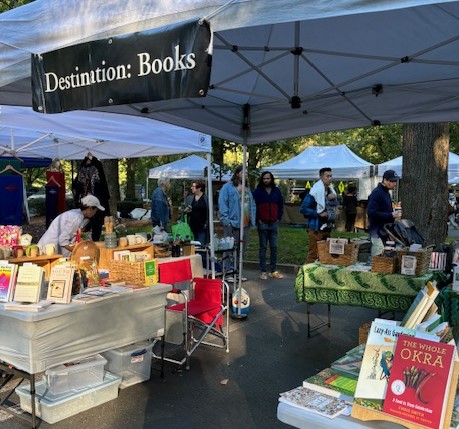 I am often asked how I select the books I bring to pop-ups. There are book reviews and those of you frequenting the book stall have made suggestions. I take those recommendations to heart.
Then there is one of my favorites – serendipitous book shopping which happens when you browse a bookstore (or a popup) or one of those little libraries, or some stack of books you have piled up in a corner of your house, followed by an “Aha!” moment. (I wrote an entire book about it.)
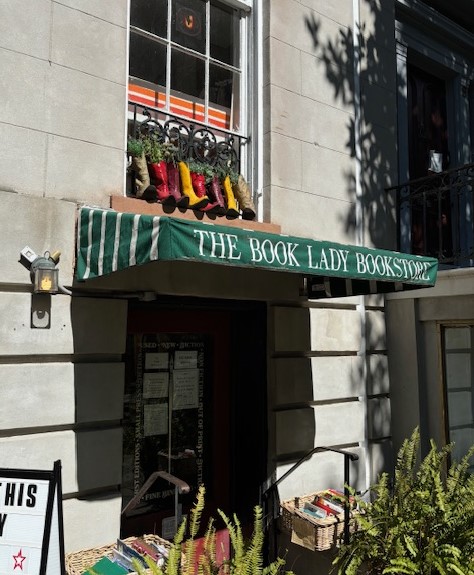 Recently, I was in historic Savannah for a couple of days for a “book club” retreat and I visited two bookstores off Bull Street– the Book Lady Bookstore and E. Shaver Booksellers. I remember both stores from when I visited Savannah over ten years ago and both are well-stocked with a variety of books.
At E. Shaver, I found two books that I purchased to review:
How to Keep Your Plants Alive by Kit Carlson, PhD, and Aaron Carlson which includes colorful pictures and tips on “50+ plants that are impossible to kill.” What inside-the-house gardener can resist a challenge like that?
And
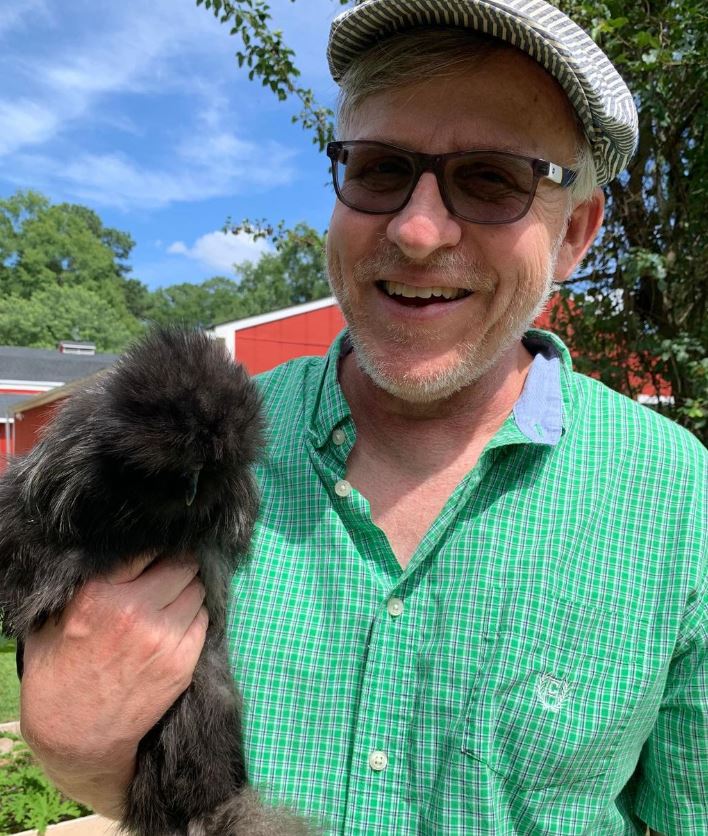 Under the Henfluence: Inside the World of Backyard Chickens and the People Who Love Them by Tove Danovich, a personal and breezy account of the chicken culture. I have chicken blood in my veins—sorta. My father and grandfather raised chickens. My sister played with chickens as a child, and my daughter raises chickens. But myself? Not so much, but I was fond of this chill bird (a silky) Granger who I am holding here before his untimely demise via a hawk.
Both these books will be available for serendipitous-like book shopping at our next popup on Saturday morning, November 2nd at the Carter Center’s Freedom Farmers Market.
—– KEYWORDS: Under the Henfluence, Freedom Farmers Market, Savannah Book Stores —– TITLE: Bird Books DATE: 10/10/2024 05:36:55 PM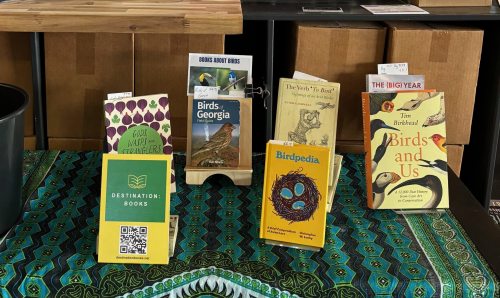
Recently I have been curating some bird books that I will bringing at my next popup at the Freedom Farmer's Market at the Carter Center on Saturday morning, October 12th.
There are reference books like Birdpedia and Birds of Georgia which are never out of date. The book The Verb to 'Bird' is a timeless eclectic memoir on birding that came out over two decades ago.
Birds and Us: A 12,000-Year History from Cave Art to Conversation, just arrived in my last shipment of books. It is a hefty sized book, which you would expect of a book that spans centuries of bird lore.
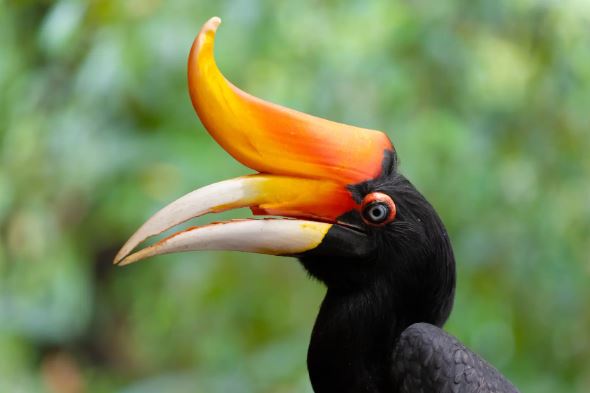 You may wonder why Gods, Wasps and Stranglers: The Secret History and Redemptive Future of Fig Trees is part of the mix, but the not-to-be-ignored Rhinoceros Hornbill plays an integral part of the fig tree Circle of Life. I just finished reading this book a month ago inspired by the reports from those readers who visited our booth. They absolutely correct about what a delight this book is.
Admittedly, I was so inspired that I am looking to plant a couple of fig trees in the back pollinator area of our development.
(Most of these books are also available at our pint-sized "permanent" popup stall at The Journeyman in downtown Decatur.)
—– KEYWORDS: Birds and Us. Gods, Wasps and Stranglers, —– TITLE: Anthropomorphic Plants DATE: 08/20/2024 08:01:36 AM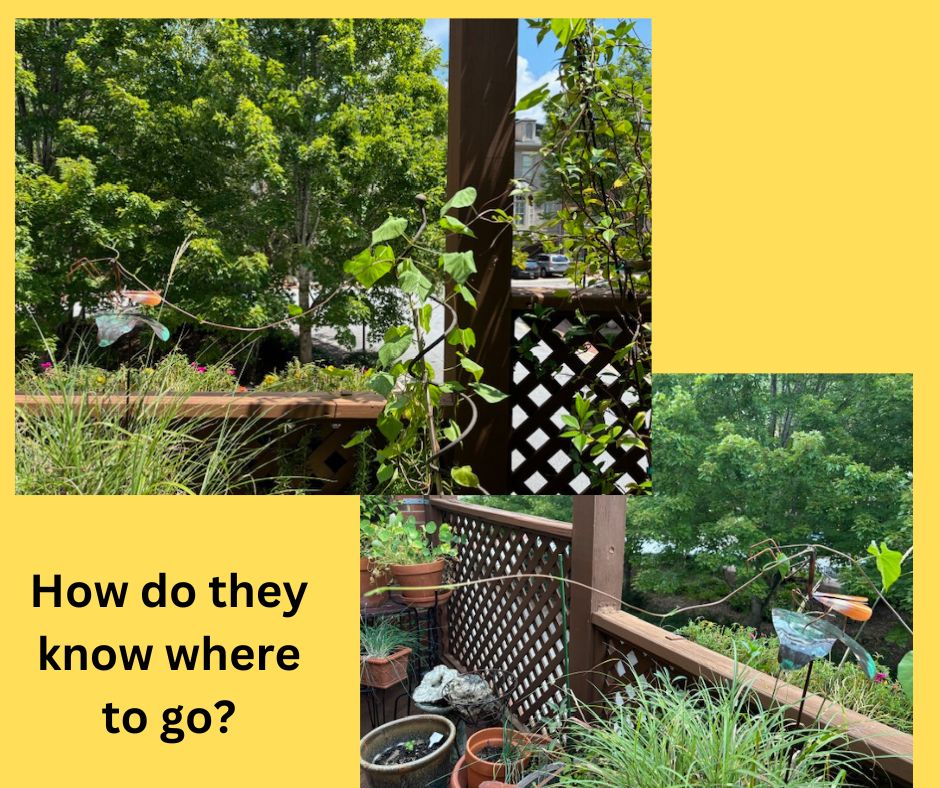
Lately as I drink my morning coffee on my deck, I have been watching this morning glory (which I intentionally planted though considered invasive) make its way up a support pole, across to this dragon fly lawn ornament before jutting out to wide open spaces. I ask it, "Where are you going, morning glory?"
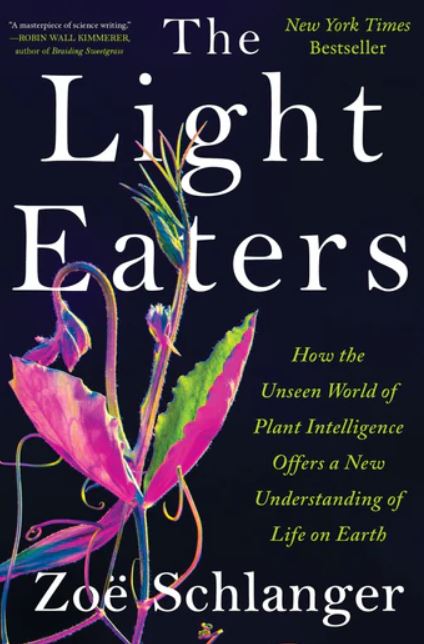
Previously, I didn't understand how it navigates until I read Zoë Schlanger's The Light Eaters: How the Unseen World of Plant Intelligence Offers a New Understanding of Life on Earth. The book explores the hidden world of plant intelligence, their ability to communicate, socialize and to hear sounds.
With respect to sounds, Schlanger explains how climbing vines (like my morning glories, my peas and cucumbers) know where to climb. There is research that shows plants utilize a kind of echolocation (sonar –like bats) to sense where to position themselves to grab onto something solid.
This is just the beginning tip of the book's reach. It even made my little book group's read and discuss list. (Complete notes about this book can be found at GRSG Reading Notes 2024 but you will have to scroll down the page.)
And finally a shout out to those regulars who visit our pop-up book booth at the Freedom Farmer's Market at the Carter Center for putting this book on my radar. Btw, our next pop-up is scheduled for Saturday morning August 24th.
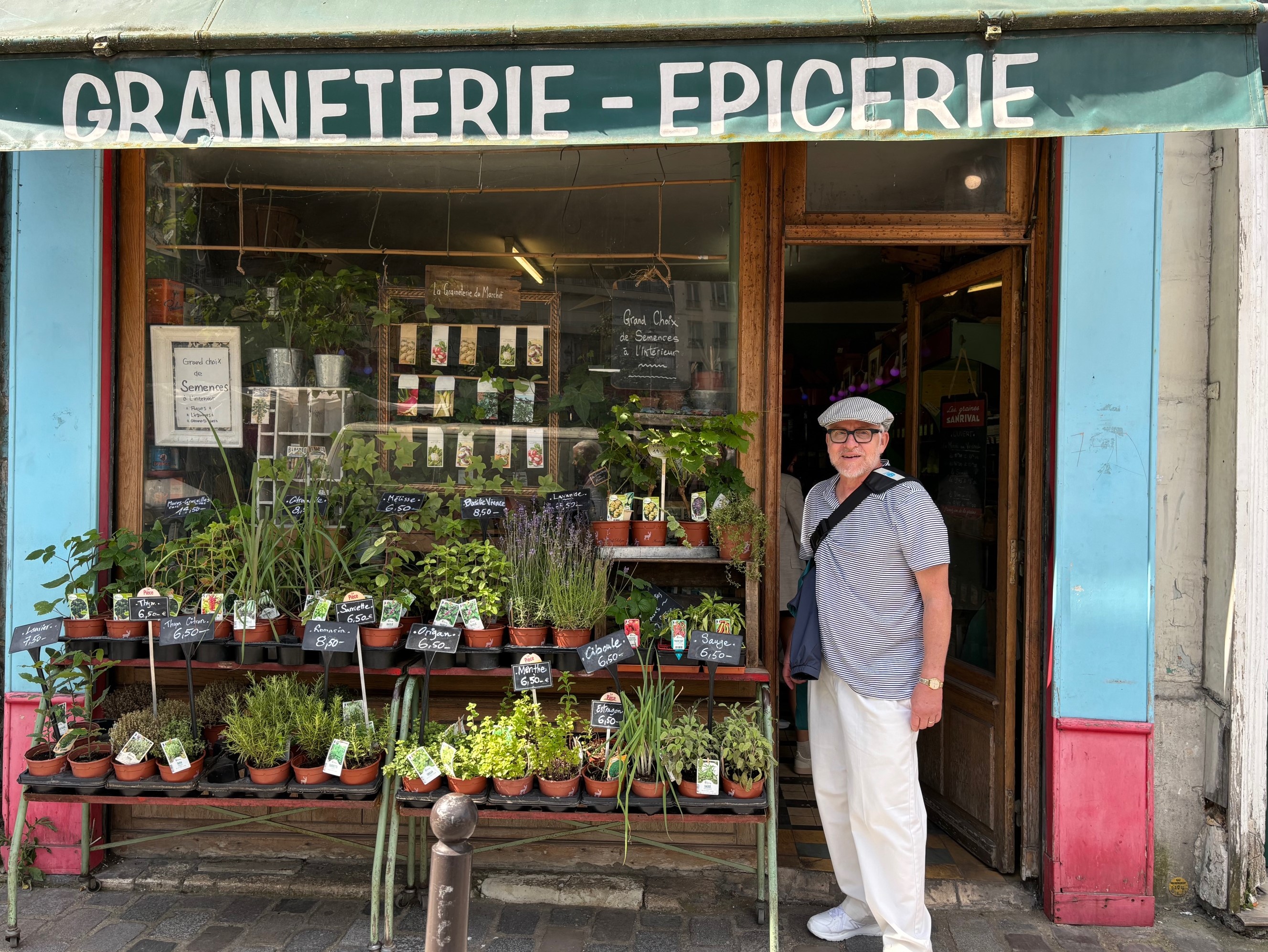
 Following up from the last posting, when I was in Paris, I visited the Marché d'Aligre market near the Bastille monument in 12th Arrondissement. Adjacent the market is a shop that specializes in the sales of heirloom seeds.
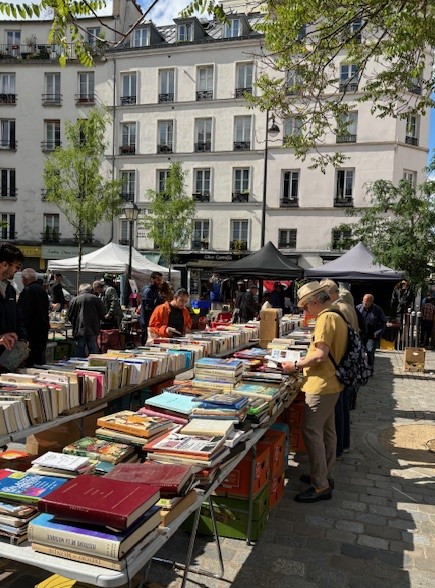
In addition to coffee, fruits, cheeses, vegetables and pastries, the market also had a flea market component. There was also a long table of used books. Ideal for browsing, but I shuddered thinking if I had to pack and unpack those books every weekend.
Destination: Books is planning to be at the Freedom Farmer's Market at the Carter Center in Atlanta on Saturday morning (7/27). This market also has coffee, fruits, cheeses, vegetables, pastries and this week—weather permitting—books.
—– —– KEYWORDS: Marché d’Aligre, book popups —– ——– TITLE: Destination Books Visits France DATE: 07/17/2024 01:49:03 PM —–

Things have been quiet here lately at Destination: Books as we have been touring parts of Europe the past month. Books are always a part of our travel experiences, and this one was no different.
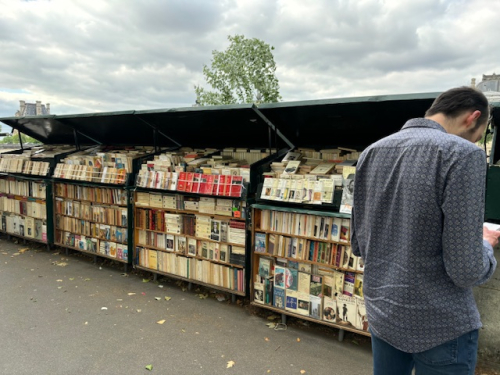
In Paris, my book loving partner Denise and I visited the most famous pop-up booksellers in the world, the bouquinistes who have been selling books in their stalls along the Seine River since the mid-1600s. They tried to move the booksellers for the 2024 Olympics, but booklovers and traditionalists would have none of it. See this article in Smithsonian Magazine.
Our timing wasn't so good as many of the stalls were closed because of the windy and misty weather. (We understand.) The few stalls that were open briefly had mostly secondhand books, posters, cards and such. I didn’t glean any takeaways on merchandising, but Destination: Books did notice some similarities. Like the bouquinistes, we enjoy talking books with our regulars and the out-of-towners visiting the Freedom Farmer’s Market at the Carter Center here in Atlanta for the first time.
Weather permitting, we will at Carter Center on Saturday morning, July 20th to resume our bookselling traditions but sans beret, of course.
 One of the indulgences of being a bookseller is that you can sell your own books. Ann Patchett does it (Parnassus books in Nashville) Destination: Books does it too. My offering is A Father’s Letters: Connecting Past to Present which is a book I finished writing six months ago.
It’s a short book—like a thick chapbook—but it has relevance at this time of year. The book begins with your narrator at the threshold of retirement and asking myself what should I do next? Well, retirement did give me the time to look at the hundreds of letters that my father wrote to his parents while he was a combat infantryman in Europe during the winter of 1944 and the letters he wrote to me while I was young man just out of college in the late 1970s and early 1980s.
It’s a book about fathers—and the men who served in World War II—and how I gleaned insights into this stage of my life through these letters written decades ago.
Availability
The book is always available at the Destination: Books popup book sales. My next scheduled outing is at the Carter Center's Freedom Farmer’s Market in Atlanta on Saturday morning, June 8th. (We may be at Pepper Place in Birmingham on Saturday morning, June 1st too in the Bonnybee Designs booth. She's my daughter. It's a a father-daughter thing.)
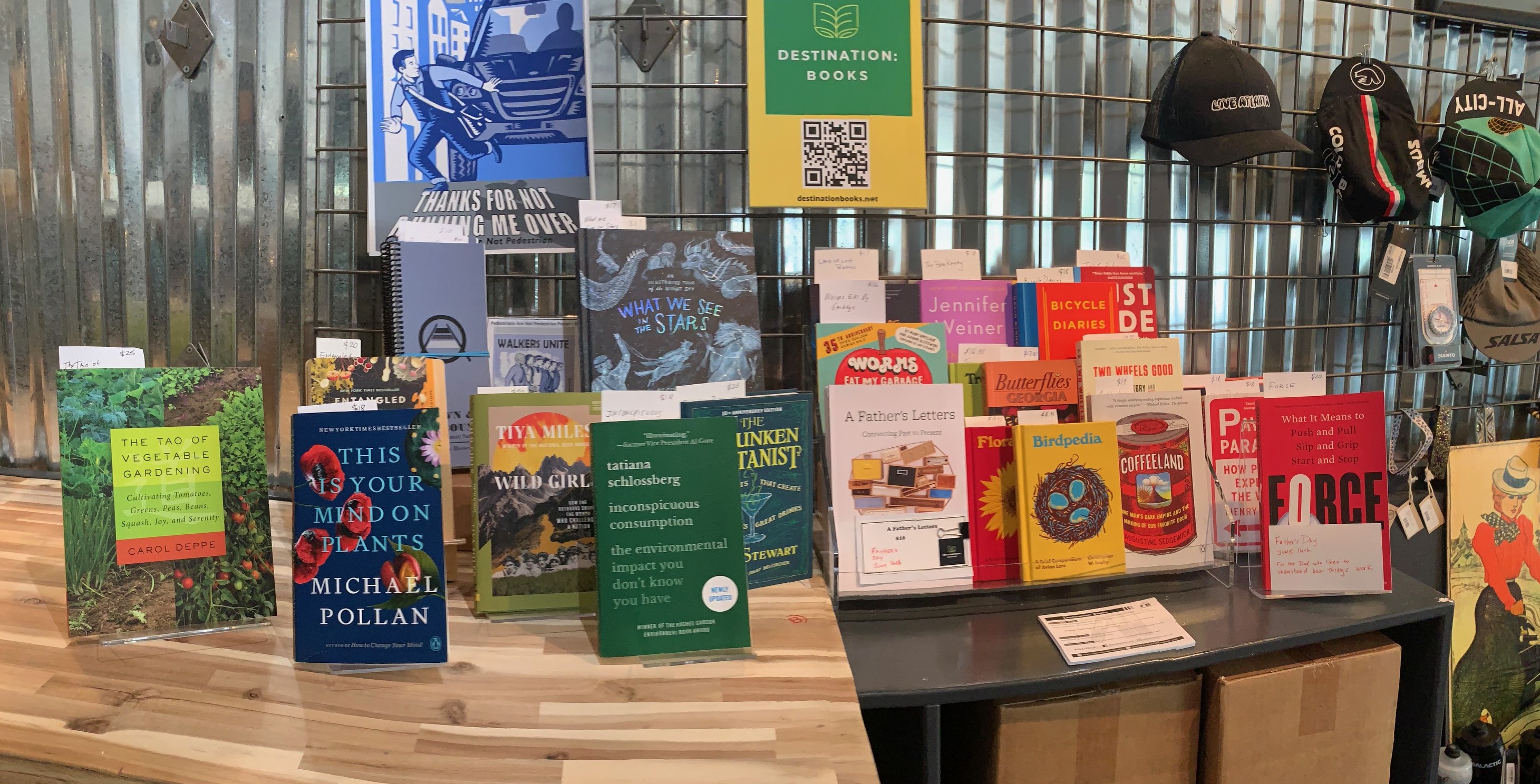
Also, Destination Books keeps a “permanent popup” booth of about 30 books at the Guild+ Journeyman Bike and Coffee shop on Claremont Avenue just north of the Old Courthouse in downtown Decatur (display shown below).
The book is also available online through Ingram’s Bookshop program or if you must Amazon.
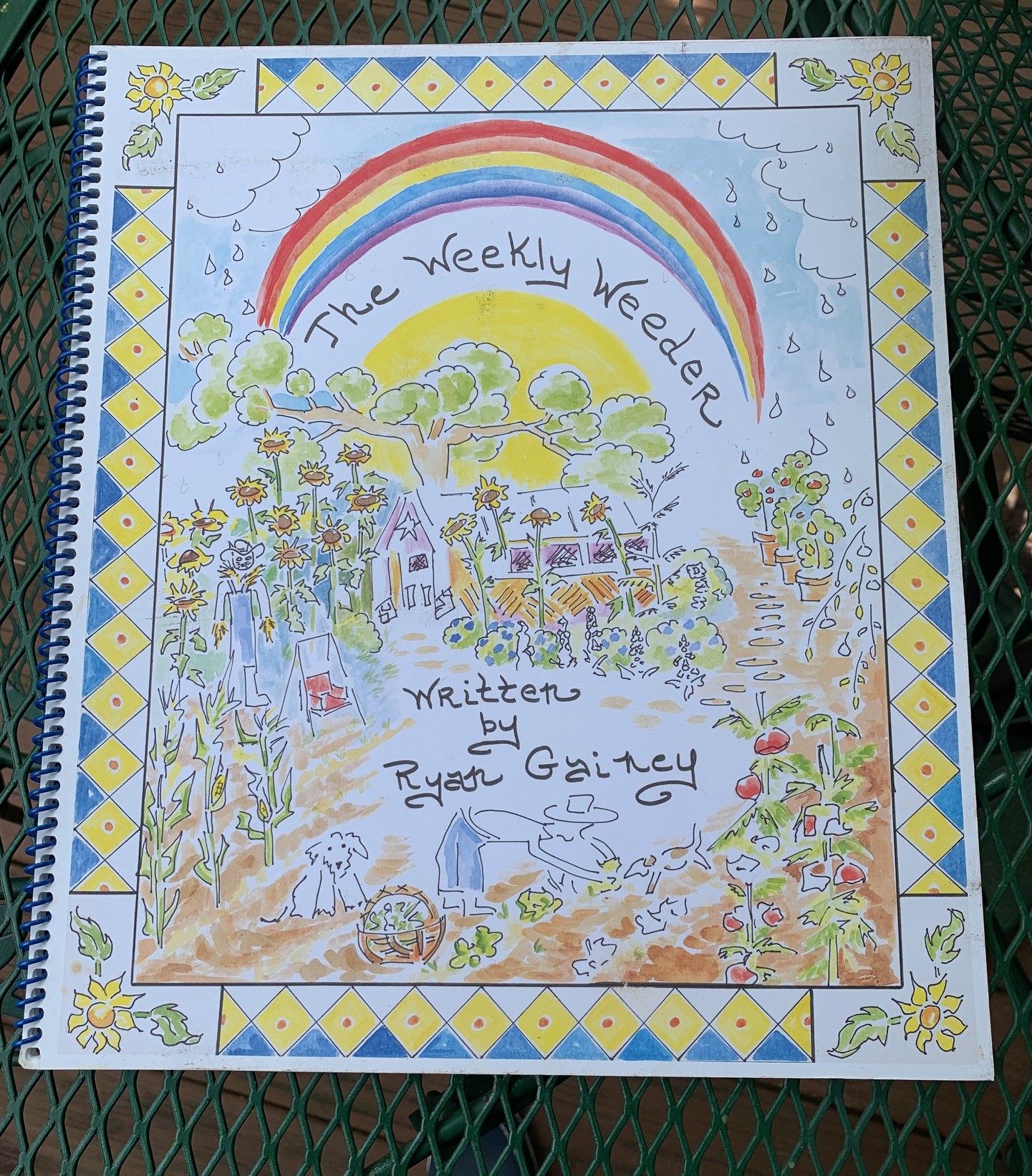
At this Saturday morning's (5/11) popup at the Freedom Farmers Market at the Carter Center I will be bringing my collectible copy of Ryan Gainey’s spiral bound illustrated 18-page poster-like book The Weekly Weeder. What makes the book a collectible is that it was signed by Gainey himself. It is gorgeously illustrated in full color by The Count Beauregard DuBois.
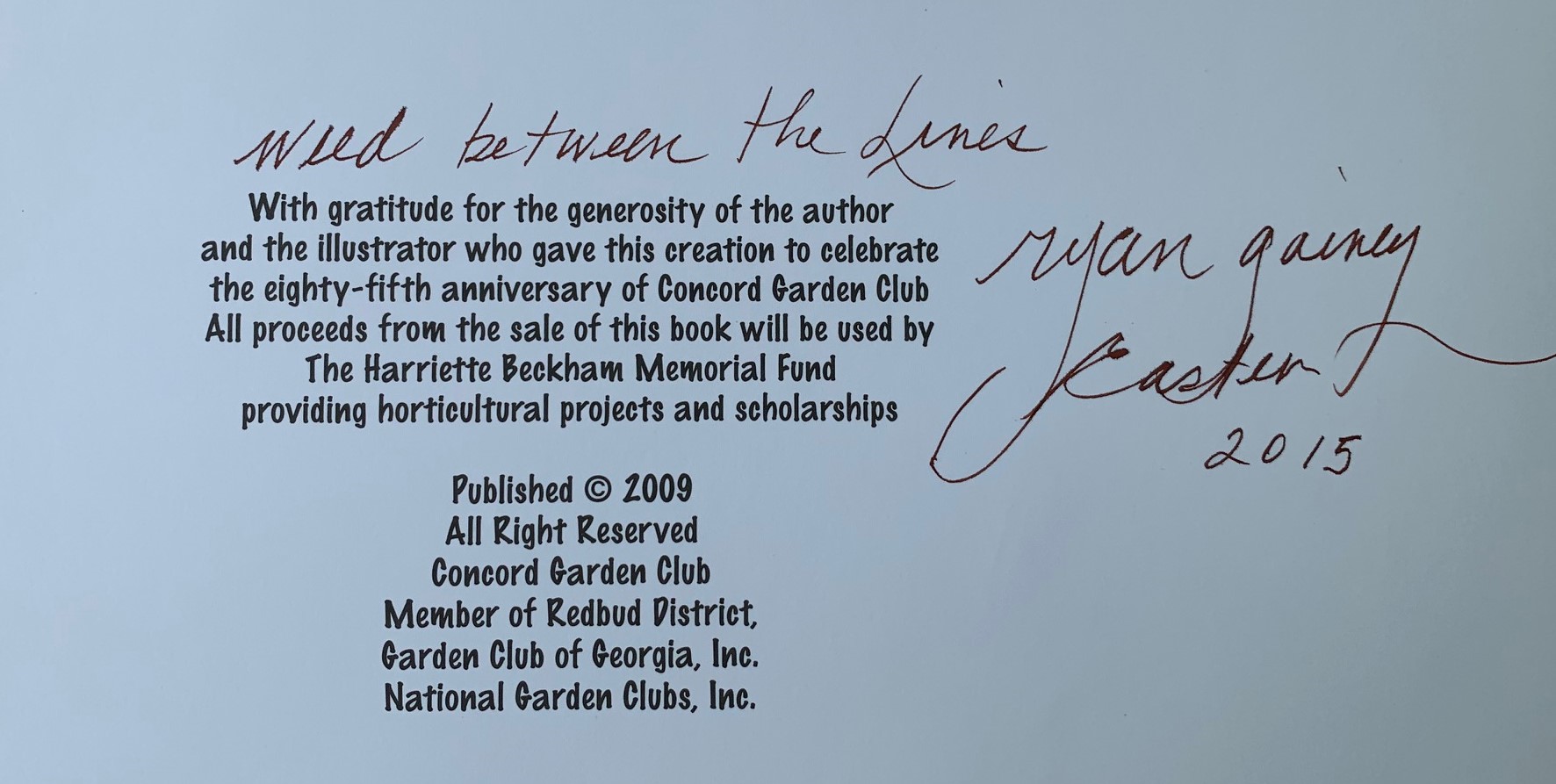
The Story Behind It (or its provenance)
On Easter Sunday, 2015, my partner Denise and I toured Gainey’s home gardens on Emerson Avenue in Decatur. We were walking by his home and Gainey was in his backyard with his dogs and invited us (for a small donation) to leisurely tour his gardens, which was well worth it. When he finished our stroll, he pitched The Weekly Weeder to us, we thought “Why not?” because it was the most amazing private garden we had ever seen or seen since. He was very pleased at our purchase and chatted at length while he signed the book in elegant cursive.
It’s been on our shelves for a while, and it seems it should belong to a passionate fan of this legendary landscaper designer who lived large. There is a documentary about him entitled “The Well-Placed Weed”.
The book will be priced at $75 (on site only). You can purchase it online at my Alibris store here.
We look forward to our monthly show and tell on Saturday.
KEYWORDS: Ryan Gainey, The Weekly Weeder, The Count Beauregard DuBois —– TITLE: Have You Read All These Books DATE: 04/17/2024 11:24:57 AM —–
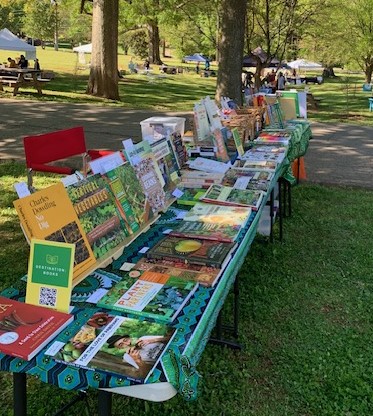 At last Saturday's popup at the Wylde Center's Spring Garden Plant sale, a bright, book-loving 4th grader asked me, "Have you read all these books?"
It is a fair question and one that I am occasionally asked. My answer is "Some of them, but not all of them."
Reference books on butterflies, bees, birds and gardening techniques, don't require page by page reading, but essay or long form type books on various related topics such as women in nature, climate policy and the current one I am reading Henry Grabar's Paved Paradise: How Parking Explains the World do require some vetting. In short, the Grabar book reminds me of Tom Vanderbilt's Traffic: Why We Drive the Way We Do.
 I am only about a third of the way through the book and I am pleasantly surprised. On the surface, the author has taken on a dull topic but he has made it relative, informative and deserving of some thought. And it has its lighter moments too including Jerry Seinfeld's joke about parking in Manhattan, "It's like musical chairs except everyone sat down in 1964."
On Saturday morning, April 20th we will be at Carter Center's Freedom Farmer's Market with our books and ready to field any questions. But in the words of a smart ass tour guide I once had in Europe, "Please don't ask me anything I cannot answer." Of course the guide was serious, but I am not.
NOTE: Last week we mentioned we were going to be at the Avondale Estates Earth Day festivities on Sunday, April 21st, but the planners have canceled the event.
—– —– EXCERPT: —– TITLE: We Interrupt Our Gardening UNIQUE URL: https://thebookshopper.typepad.com/destination_books/2024/04/we-interrupt-our-gardening.html DATE: 04/11/2024 10:54:35 AM —–
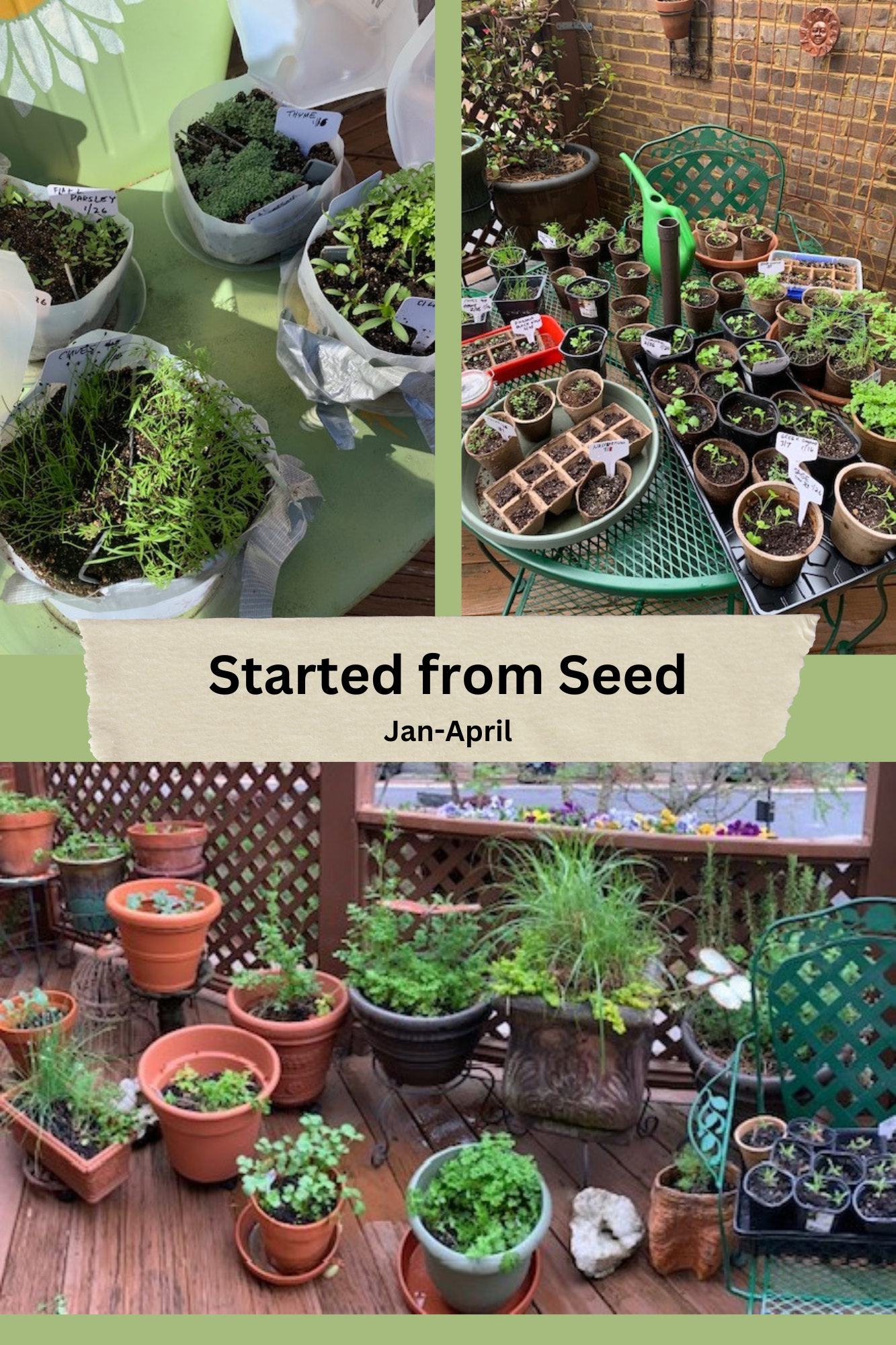
We interrupt our home gardening for three book popups in April. The first one is Saturday, April 13th at Legacy Park in Decatur which is hosting the all day Wylde Center Spring Plant Sale. Not only this is the third year we have done the sale, but the Wylde Center was responsible for my learning how to grow some of my own herbs and flowers. It began in January by planting seeds in plastic jug miniature greenhouses. Then I transferred the seedlings into paper-fiber pots and finally into their own pots in late March. Some of the herbs stay on our deck for convenience harvesting; others transplanted to the community garden. It all began with a class I took at the Wylde Center several years ago.
Freedom Farmer's Market
 On Saturday morning April 2oth, (weather permitting) we'll be at the Freedom Farmer's Market at the Carter Center. Not only do we sell books on gardening and sustainability (and related topics), but it has always been a venue that allows for an exchange of ideas. Thanks to our regulars, I have Mountain mint, Joe-pye-weed and Rattlesnake-weed coming up for a second year in the community space of our development (inspired by the books of Douglas Tallamy).
Earth Day, Avondale Estates (EVENT CANCELED by Organizers)
 On their new village green, the City of Avondale Estates sponsors a celebration which includes information booths and a concert. This will be held from 4 to 7 p.m. Sunday, April 21st. Again, it is a weather permitting kind of thing. During last year's celebration, it was held in a wind turbine, but we survived and it inspired us to finally purchase state-of-the-art tent weights.
All this makes sense, because , "we learn something at every popup." Please come by sometime this month and we can educate each other.
—– KEYWORDS: Legacy Park Decatur, Wylde Center Spring Plant Sale, Earth Day Avondale Estates, —– TITLE: Latest Reads DATE: 03/24/2024 06:39:00 AM

While it is not possible to read every book sold at Destination: Books it doesn't keep me from trying. Here are two books of interest:
Gathering Moss: A Natural and Cultural History of Mosses by Robin Wall Kimmerer.
Although Kimmerer is best known for her Braiding Sweetgrass book, Gathering Moss (2003) was written earlier in her career. It is a short read and borrowing from the book jacket copy it is a "mix of science and personal reflection. In this series of linked personal essays, the author (Kimmerer) clearly and artfully explains the biology of mosses and reflects on what these fascinating organisms have to teach us."
Also, after reading this book, you'll never look at the moss the same way again. Nowadays when I walk around the neighborhood, I take special interest in bryology, (which includes the study of mosses and liverworts, but not lichens). Inspired, I have even successfully transplanted moss from a drainage area to a barren, but shady and wet hillside in an area I am trying to revitalize. Don't ask me to identify any of the 22,000 species of moss, but I did learn that not all moss is the same and it is much more environmentally responsible than grass.
Not the End of the World: How We Can Be the First Generation to Build a Sustainable Planet by Hannah Ritchie
 Ritchie is an internationally renowned data wonk who focuses her research on world's largest problems, and is, in her own words " trying to correct public miscommunications of data" on climate related issues such as air pollution, deforestation, food, biodiversity, ocean plastics and overfishing.
Whereas many books about climate change are pessimistic this one—judging from the bright, colorful cover—is cautiously optimistic. The health of the planet is in trouble, but she uses bar graphs, to show that historically on many fronts, the conditions have improved dramatically, and we are trending in the right direction. She is especially quick to point out the misleading catastrophic headlines that the media bombards us with.
Although Ritchie's book is chocked full of numbers overall, it has an unassuming style. Her "we can do this" attitude makes the sobering numbers more palatable, but anything encouraging on climate change is appreciated.
Both books will be at my next popup scheduled for the Freedom Farmer's Market at the Carter Center on Saturday morning, March 30th. But they can also be found at my online presence here at Bookshop.org (the Amazon alternative).
—– —– KEYWORDS: Robin Wall Kimmerer, Gathering Moss, Hanna RItchie, Not the End of the World, —– TITLE: Pop-up and Workshop DATE: 01/31/2024 10:37:15 AM —–

Next Pop-up: Sunday, February 4th. 2 to 4 p.m., Journeyman Bike Shop, 110 Claremont Downtown Decatur.
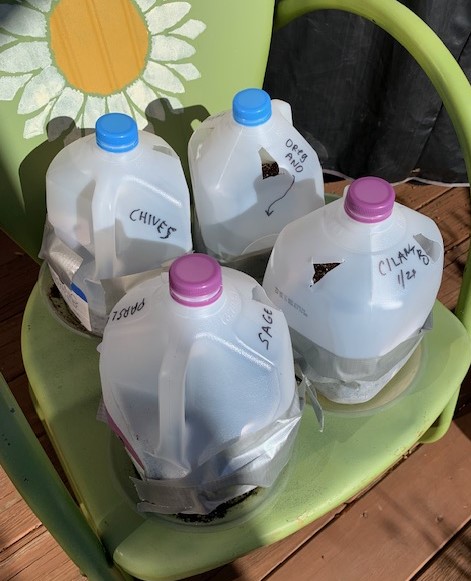 Usually between Christmas and the first day of Spring is quiet, but this year has been different. In addition to the early planting of herb seeds in water jugs, I have been bringing in some new inventory for 2024. Some of these are already available at the Journeyman where about 25 different titles have been available since September.
On Sunday, we'll bringing in another table with some additional books while facilitating a workshop called Monster-in-a-Box. The inventory will reflect the kind of books that we often carry at the Freedom Farmer's Market at the Carter Center but some different ones as well. (Don't worry I plan to return to the Freedom Farmer's Market in the warmer weather).
Monster-in-a-Box Workshop
 This workshop is built around my book A Father's Letters: Connecting Past to Present. Most of Destination's regulars know that I write books as well as sell them and this a short book that was inspired by own Monster. Inside the box were letters that my father wrote from 1944-1945 while he was a combat infantryman in Europe. Later (1975-1985) as an accountant in a small Midwestern town he shared more experiences—with candor, wit and wisdom— in weekly letters to his son. From my personal experience I understand that anyone who has such a box could use a little support and information. (Advice is free, but the book is $10) More details can be found here.
Downtown Decatur
One of the goals of Journeyman is build more of community vibe. They sell coffee and snacks, host small events and create a space where people (including children who love Legos) want to hang out. They also sell bicycles, bicycle accessories and bike repair is readily available (except Sunday and Monday). Also, downtown Decatur has free parking on Sundays. There are places for Sunday brunch before the workshop or visit your favorite bars and restaurants afterwards. All are within walking distance of the Journeyman, so you can make an afternoon of it.
—– TITLE: Assessing Climate Books DATE: 11/12/2023 09:27:31 AM
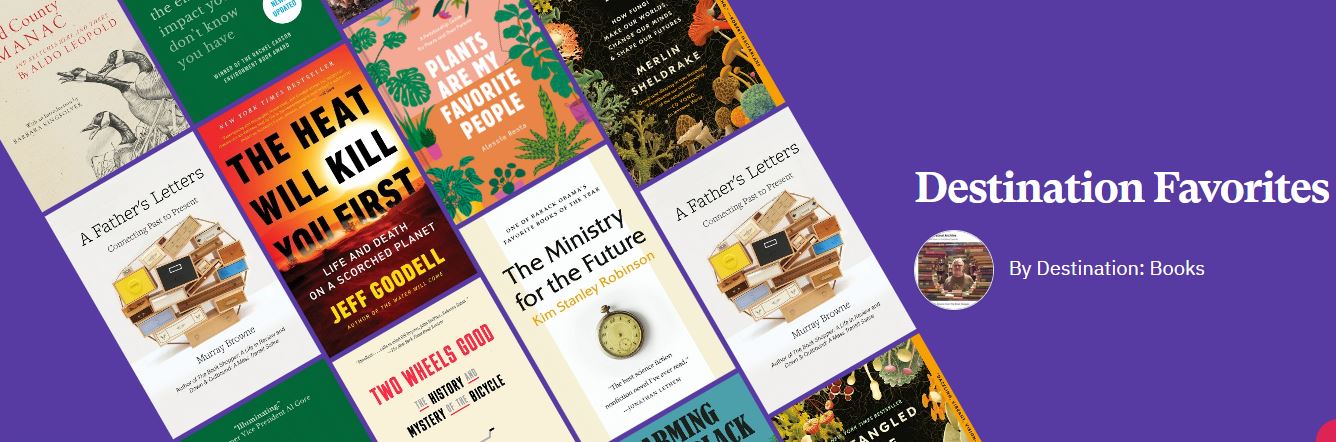
 The Heat Will Kill You First is a well-researched and well-written book, but with a title and a cover that isn't exactly encouraging to readers. (I wonder about the publisher's decision to market "a hell-on-earth" book jacket.)
Jeff Goodell begins the book with graphic details on the heat wave in the summer of 2021 in the Pacific Northwest, and its horrific effects on people, crops, salmon—you name it. (The opening is similar to the beginning of Kim Stanley Robinson’s Ministry for the Future.) Goodell explains the way heat affects human beings and animals both who are ill-equipped to handle rising temperatures.
Other topics include:
- How scientists can now prove which ecological events are caused by climate change and which are not. This matters as future generations can begin to legally hold current fossil fuel corporations responsible for the climate catastrophe (again it sounds like something right out of Kim Stanley Robinson). Interesting to note that heat waves, which much of the world experienced last summer, are considered direct consequences of climate change.
- Destruction of the ocean ecosystems most notably a phenomena known as the Blob, a heat dome the size of Texas that has disrupted the entire Pacific Ocean food chain.
- That you can’t rely on good air conditioning to remedy the problem. (If Phoenix lost power for a day or two in the summer it would result in heat-related deaths in the thousands). Air conditioning is only as good as your electric grid.
As a remedy, Goodell writes:
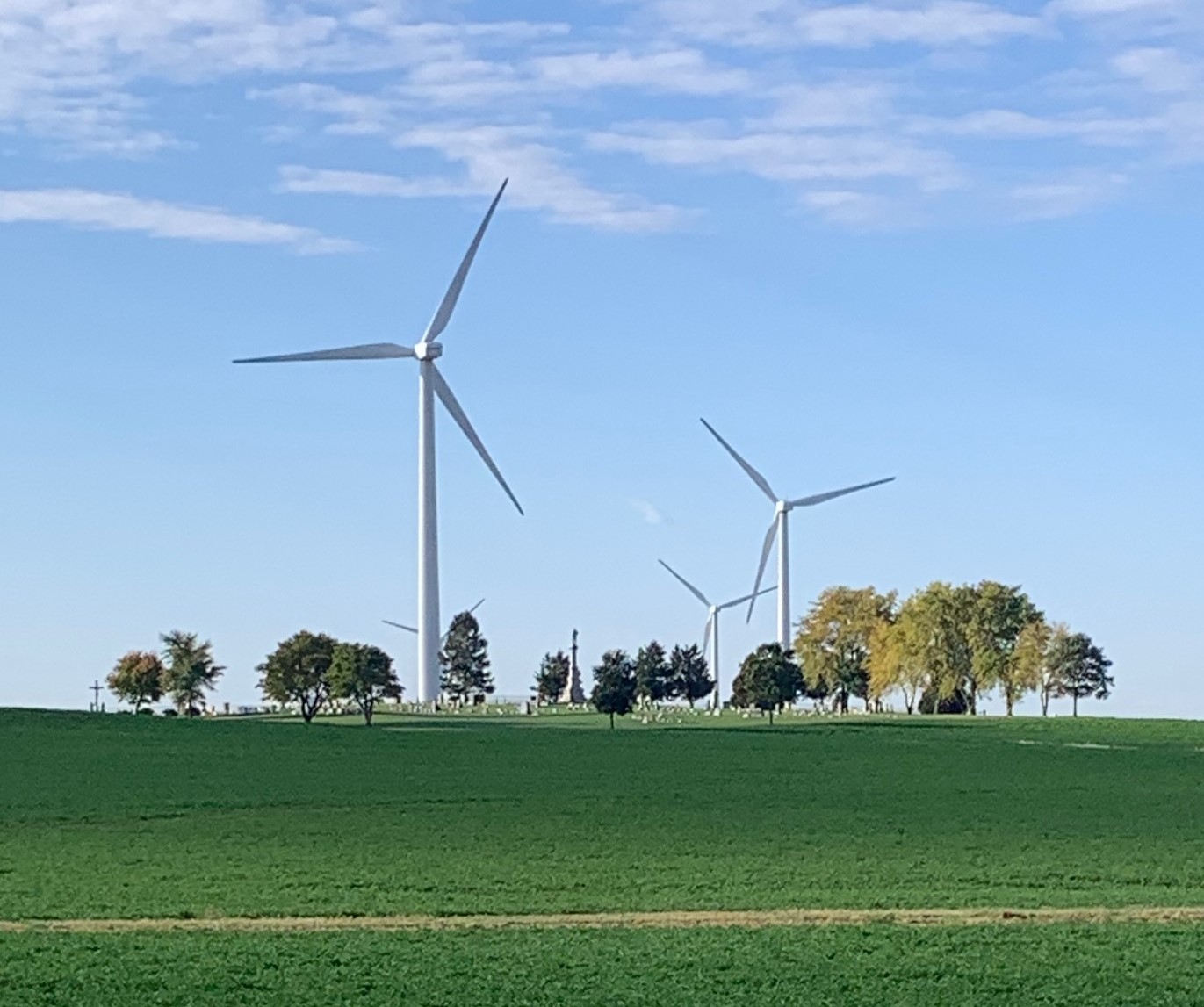
"There are ways to limit the damage. The most obvious one, which I mentioned earlier: stop burning fossil fuels and move to clean energy alternatives. That may happen in some places faster than you think (at least for electricity generation)." A case in point, I recently returned to my boyhood home in East Central Illinois and Indiana for a visit and was amazed by the number of wind turbines.
Also, Tatiana Schlossberg’s Inconspicuous Consumption: The Environmental Impact You Don’t Know You Have is a valuable book as it explains all the factors that drive our carbon-intensive society (reviewed here). It’s not nearly as stark as the Goodell’s book and it’s good start to understand the ways to reduce fossil fuel consumption with our daily habits.
And by the way, Robinson’s speculative novel Ministry for the Future (review here) has a taint of optimism as well.
The next Destination: Books pop-up will be at the Freedom Farmer’s Market at the Carter Center on Saturday morning November 18th. In the meantime, both books are available at our online store at https://bookshop.org/lists/destination-favorites
—– TITLE: New Excitement at the Pop-up DATE: 10/25/2023 03:37:10 PM —–
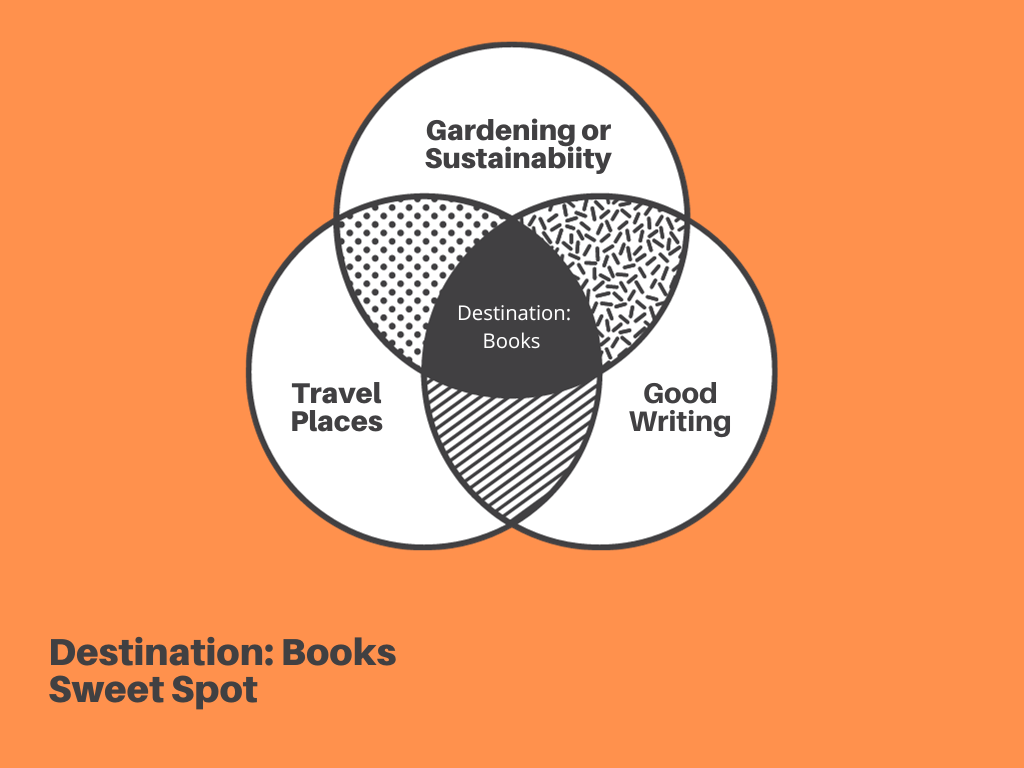
Okay, "excitement" may be a little bit of an overreach, but we have obtained several long-awaited additions to our popup book inventory, which will be available for perusal Saturday morning, October 28th at the Carter Center's Freedom Farmer's Market. Sometimes we really like a book, but availability through publishers can be a problem. Both these books hit the proverbial Destination Books sweet spot — good writing, travel to distant places, an appreciation of the planet.
Pocket Atlas of Remote Islands: Fifty Island I Have Not Visited and Never Will (2009) by Judith Schalansky.
The German author and graphic artist Schalansky credits the idea when she surveyed a giant globe in the Berlin National Library and began studying the tiny islands names that dot the blue expanses of the ocean. First, she collected the facts including their longitude and latitude coordinates, their current population (if any), a timeline of major events and their distance to nearby continents or other remote islands. Some you may have heard of such places as Easter Island, Iwo Jima, or Christmas Island but she gives equal billing to some uninhabited ones like Deception Island (near Antarctica), Bouvet Island (in the South Atlantic) or the cold and barren Lonely Island (near the Arctic Circle).
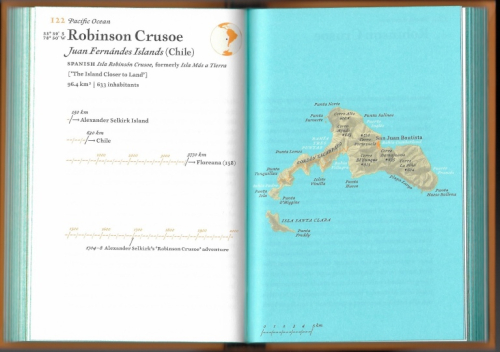 She dedicates four pages to each entry/chapter. The first two pages provide the facts and the timeline and a detailed map including points of interest such as elevation, bays and any villages. Pages 3 and 4 are very short essays about the history or geological/biological makeup of the place such as the Pacific Isle of Banaba, which is made up entirely of phosphate from centuries of bird guano buildup. Schalansky's writing style has been aptly described in The Paris Review " as a prose poem of sorts. Facts sit side-by-side with a kind of highly personal fiction; we are given latitudes and detailed maps, but also lore and speculation."
The End of the End of the Earth: Essays (2018) by Jonathan Franzen
In addition to being a novelist and a misanthrope, Franzen is also an essayist and an avid bird watcher, the latter which is one of the major themes of this collection. He explains:
“To my shame, I am in the world of birding call a lister. It’s not that I don’t like birds for their own sake. I go birding to their beauty and diversity, learn more about their behavior and the ecosystems they belong to, and take long attentive walks in new places. But I also keep way too many lists. I count not only the species I have seen worldwide, but the ones I have seen in every country and every U.S. state I have birded in. Also at various other sites, including my backyard, and in every calendar year since 2003. I can rationalize my compulsive counting as an extra little game I play within the context of my passion. But I really am compulsive. This makes me morally inferior to birders who bird exclusively for the joy of it.”
 The quote above does a good job summing up the majority of these essays. Franzen— traveling around the world (Ghana, Egypt, Jamaica, St. Lucia, islands off the coast of California, and Antarctica) — adding to his list of birds (African cuckoo-hawk, ringed plover, crested quail dove, black finch, Farrion murres, and the Emperor Penguin, —while commenting on the dire circumstances of shrinking habitats. He doesn’t blame everything on climate change (one criticism of book when it was first published was that he was a skeptic), but he can be witheringly critical of organizations and corporations. Fortunately, he reports on successful conservation stories as well.
In the final two essays of the book (the last one was a response to early criticism that the hardback edition was too tolerant about climate change), Franzen addresses the question that lingers “How do we find meaning in our actions when the world seems to be coming to an end?” His answers are provocative, insightful, and not as dour as you might think. Pure Franzen.
And there's more…
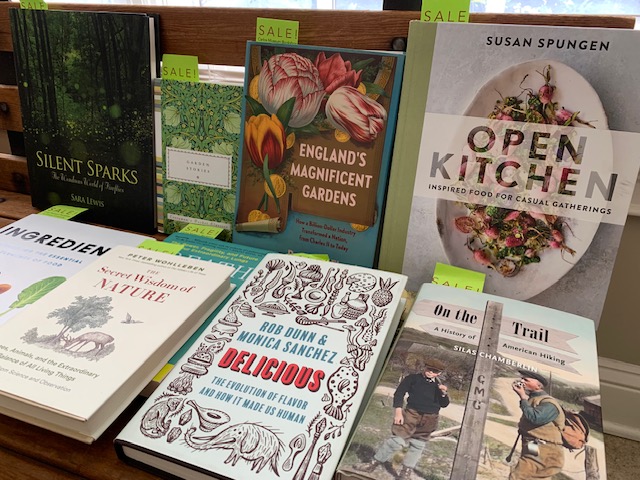
Adding to the frolic, we have a bench load of fresh books on sale for reduced prices.
—– —– KEYWORDS: Freedom Farmers Market, Jonathan Franzen, Judith Schalansky, —– ——– TITLE: Destination Bicycles DATE: 10/15/2023 08:12:21 AM —–
In addition to gardening and sustainability (which includes cycling), Destination: Books has always been interested in travel to distant places. In a recent trip to Spain and Belgium and inspired by our new partnership with the Journeyman bicycle shop in downtown Decatur, I took notice of the different ways bicycle culture permeates these countries.
Spain
Our guide in the Basque country of Spain took us through the winding roads between San Sebastian and Bilbao. (Spain is the most mountainous country in Europe after Switzerland.) There were many recreational cyclers along the way and the law requires motorists to slow down and allow at least a meter and a half distance between a vehicle and a cyclist or face a stiff fine. In the coastal town Getaria, we had to pause our trip for a regional bike race. (Just in case the player malfunctions, the link to the YouTube video is here.)
In the central district in Bilbao, auto travel is restricted which means more commuters were going to and from work on two wheels. Adjacent this bike lane is a clever device that measures the traffic. My long time partner and narrator Denise Casey and I were entertained.
(Just in case the player malfunctions, the direct link to the YouTube video is here.)
Belgium
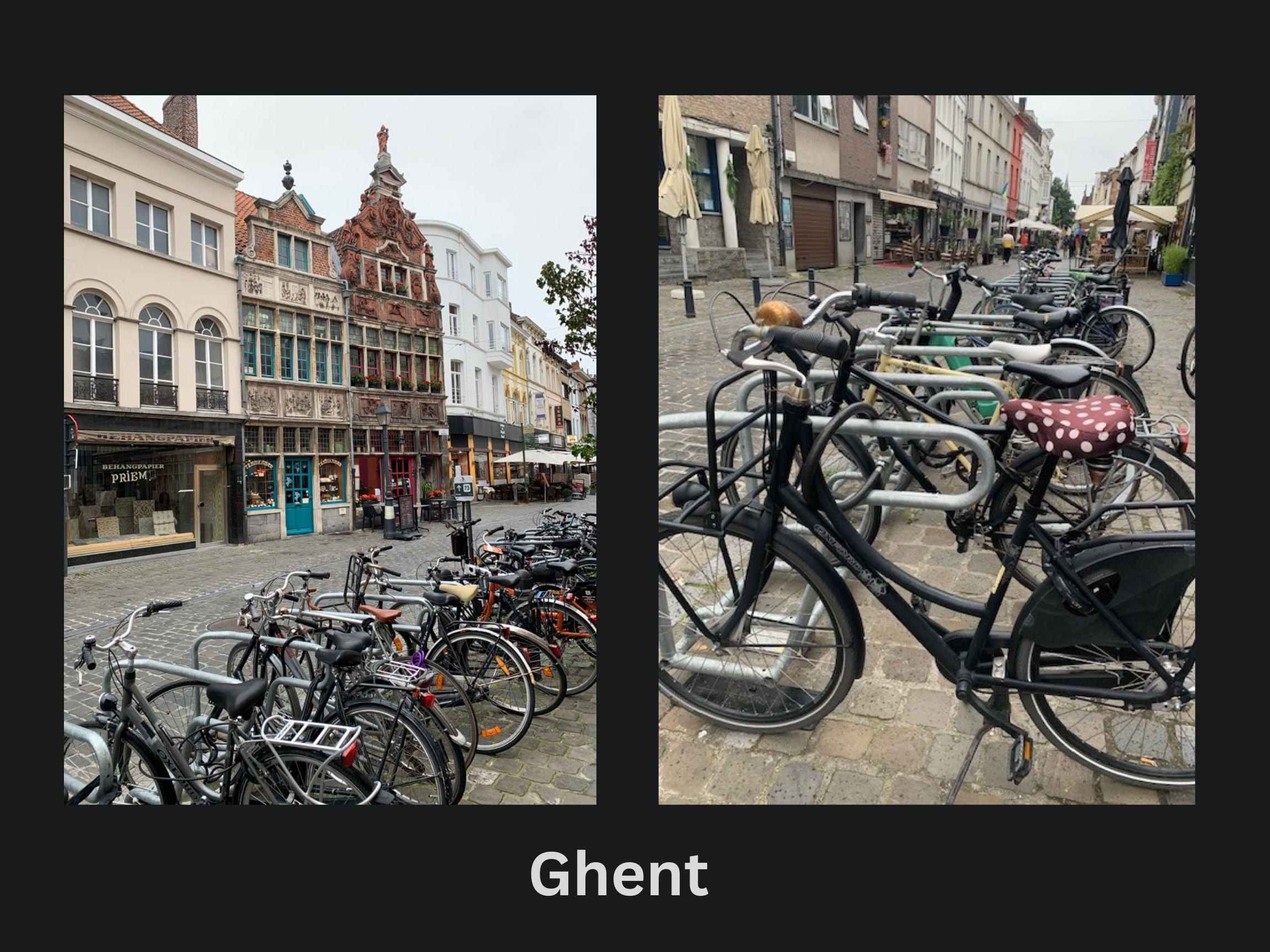
Full bike racks are commonplace in towns like Bruges and Ghent. These cities are relatively flat and they restrict parking and automobile traffic in the center of town. People use bikes to get around rain or shine.
Bikes as Art
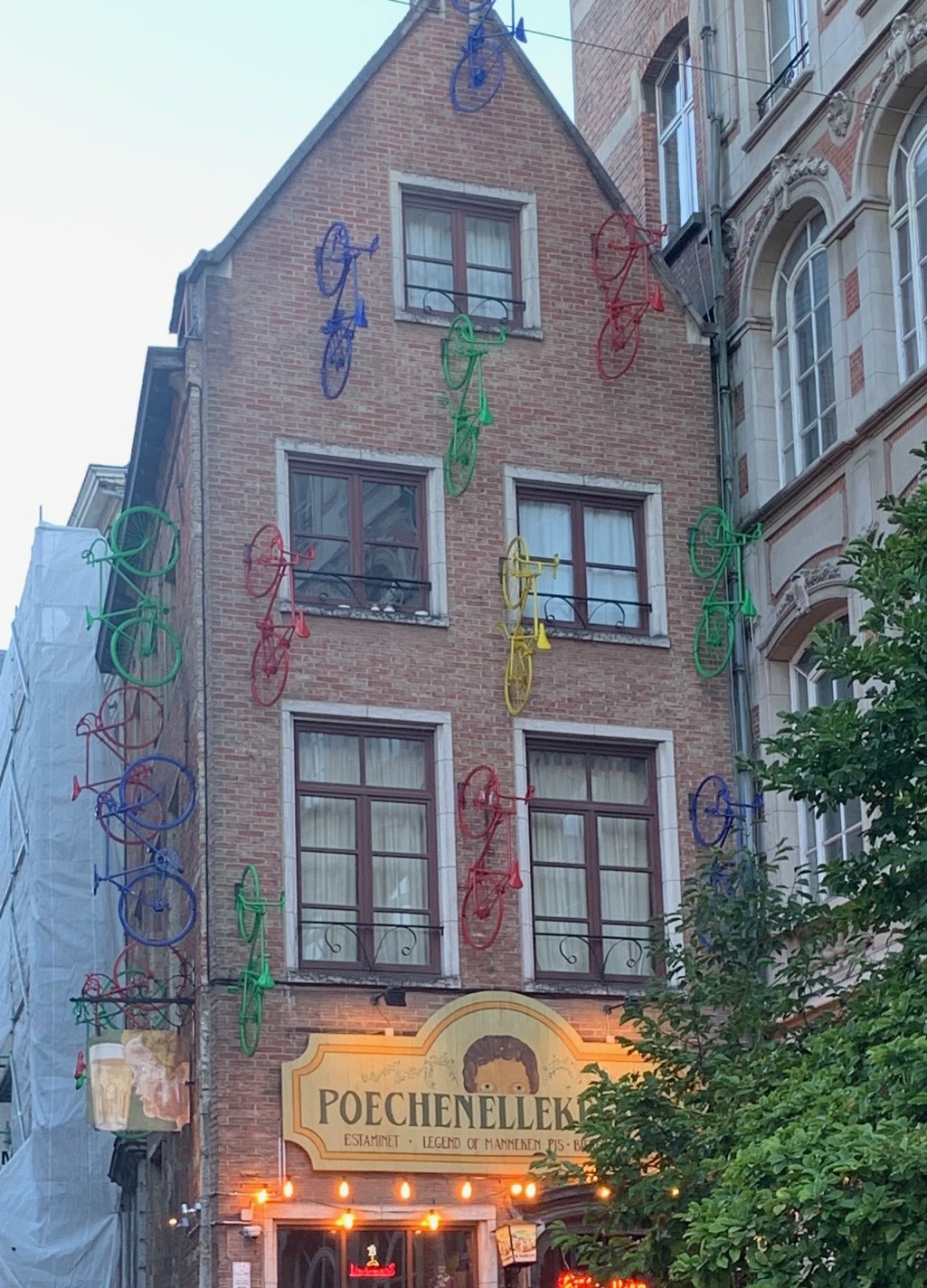 Bikes are celebrated in street art as well. These bicycles are scaling a building in Brussels near the Grand-Palace.
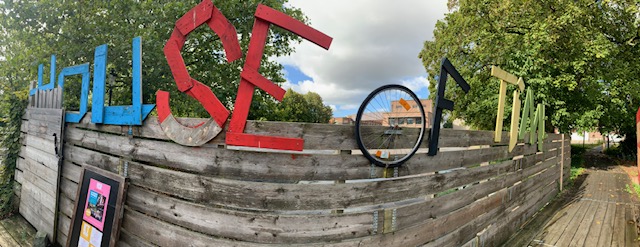
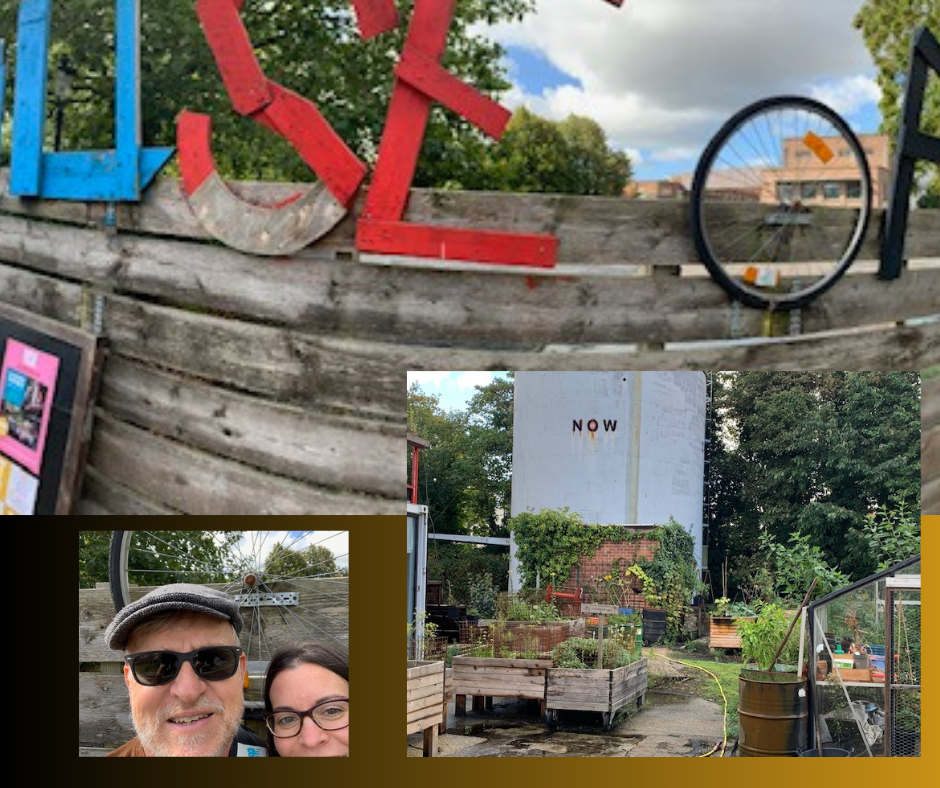
My older daughter and Cynthia and I were walking around Bruges when we happened to see this gateway to a mysterious artist co-op and community garden called The House of Time. Notice the expression of uncertainty on my face.
KEYWORDS: Bicycle culture, Spain, Belgium, Bilbao, TITLE: Books of Interest DATE: 08/16/2023 03:48:13 PM —–
Some are new. Some feel new because I haven't revisited them in a while. They are:
Growing Perennial Foods: A Field Guide to Raising Resilient Herbs, Fruits and Vegetables by Acadia Tucker.
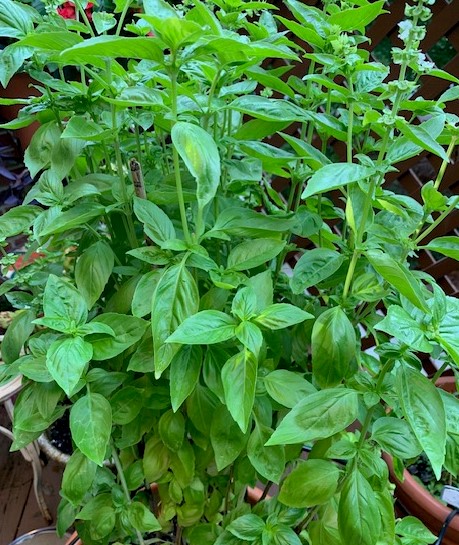
I would have had more success processing my basil, sage, thyme, and mint in a timely fashion if I had studied Tucker's book earlier in the season. Tucker writes simple declarative instructions on planting, growing, managing potential pitfalls, and harvesting for 34 common herbs, fruits and vegetables. The book includes a few recipes as well.
Tucker's books give the home gardener some ideas of other foods to consider growing based on your sunlight availability, soil composition and the length of growing season. And in the title— don't confuse the word "perennial" with "year-round."
The Green Dumb Guide to Houseplants: 45 Unfussy Plants That Are Easy to Grow and Hard to Kill by Holly Theisen-Jones.
After reviewing the basics, Theisen-Jones categorizes houseplants in the order of difficulty as 1.) Practically Plastic Houseplants, 2.) Chill Houseplants, 3.) Fussy Houseplants and 4.) Master Gardener Houseplants, which has only one plant—the Monstera.
What possibly could go wrong?
Fen, Bog & Swamp: A Short History of Peatland Destruction and Its Role in the Climate Crisis by Annie Proulx.
The Pulitzer Prize-winning author is known more for her fiction ( the novel The Shipping News, and the short story "Brokeback Mountain"), and judging from the works of hers that I have read, you can always count on her to write clearly and be evocative of time and place. This book is no different as Proulx, who started as small town journalist, explains how the historical shrinking of these fecund environments is a great loss to us and how it will play a major role in the climate catastrophe that lies ahead. She will take you to places too: the fens of England, the bogs in Ireland, and the swamps which include the Kankakee River in Northwestern Indiana near where I grew up.
At the very least by the end of this taut little book, you will know the difference between a fen, a bog, a swamp and a marsh.
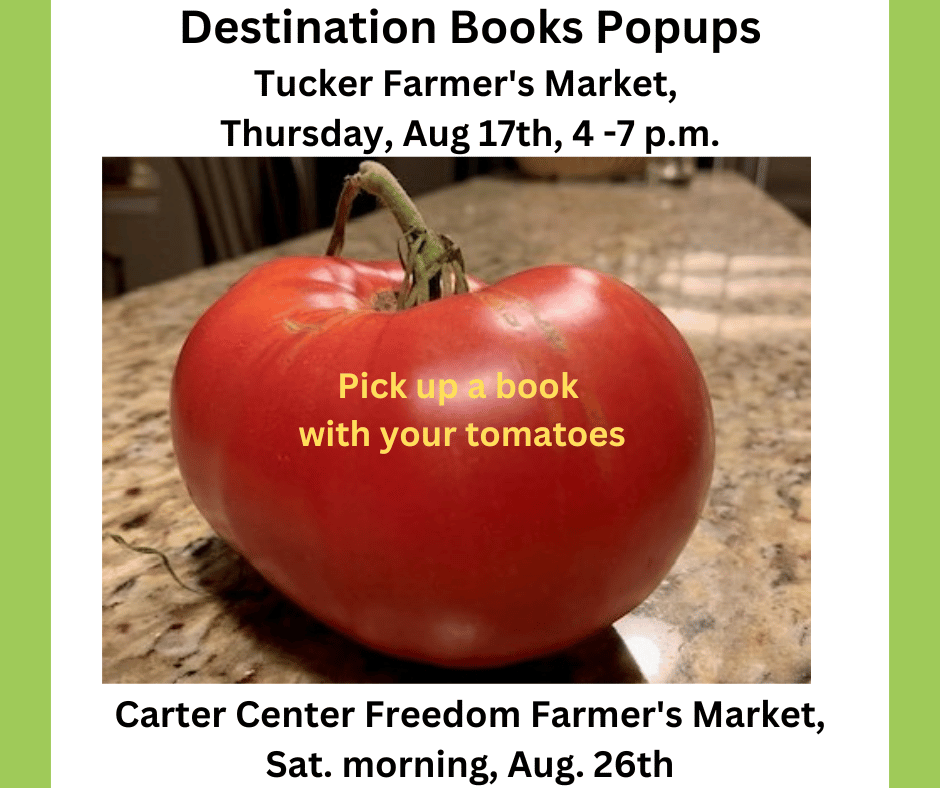
Go here for more information of the kind of inventory Destination Books brings to its popups and where we will be for rest of the month.
—– KEYWORDS: Acadia Tucker, Growing Perennial Foods, The Green Dumb guide, Annie Proulx, Fen Bog and Swamp TITLE: Lawn vs Meadow: A Short Saga DATE: 08/04/2023 03:49:58 PM
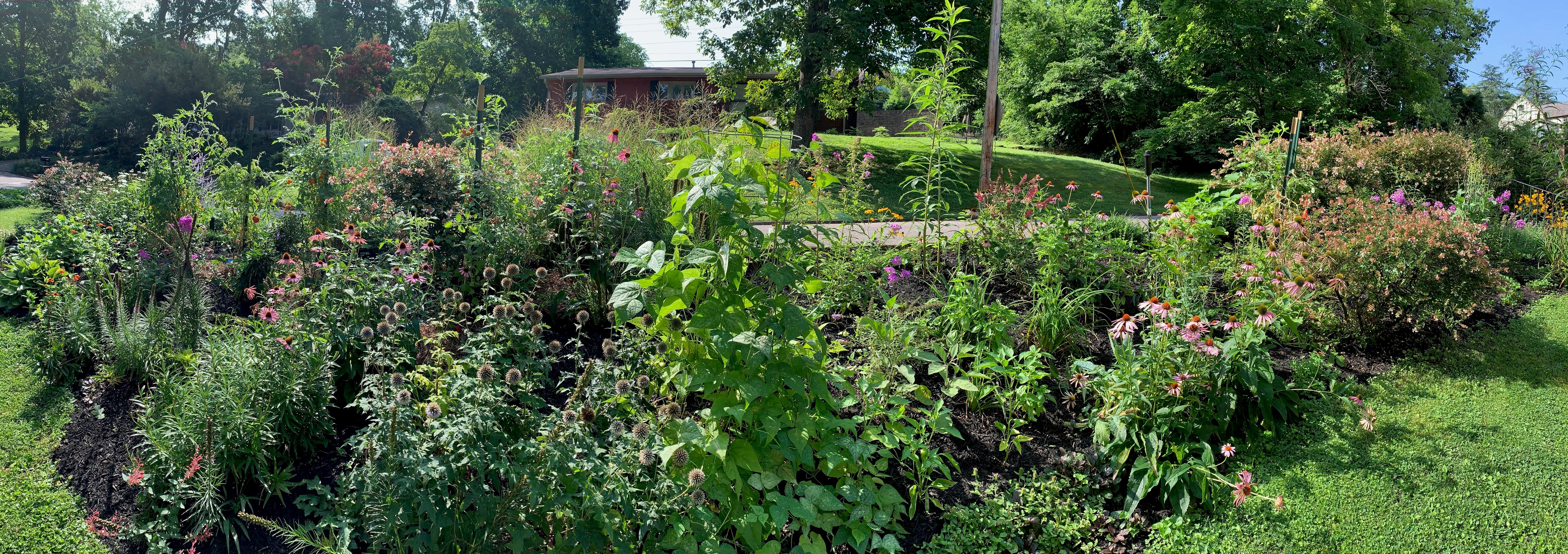
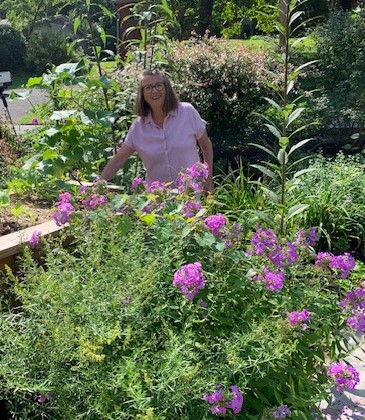
Last week Destination: Books took a road trip to visit our Knoxville friend Maggie who is a resourceful and experienced gardener. She is also a generous one as she gifted me my first pound of red wigglers a half a dozen years ago. Their relatives still thrive in my garage worm bin.
Part of the visit included a tour of her garden.
 A few years ago, Maggie lost access to her primary vegetable gardening space next door when the house sold to a new neighbor. Maggie’s own backyard was unsuitable for vegetables because of the heavy shade canopy. And then the conundrum began. Her husband Tim is passionate about mowing and takes pride in keeping an immaculate front lawn and did not want to forfeit any of the sunny space. It became like one of those land usage conflicts we see in those ol' Westerns between cattle and sheep ranchers, but without the firearms.
One summer when Tim was on an extended work trip, Maggie reworked the hilly embankment next to the street–and the conversion began. Since then, Maggie has made this area into a mixed-use space of flowers and vegetables that blend into one colorful harmonious space. Bees and butterflies flood the area among the coneflowers, black-eye Susans, iron weed, globe thistle, beans, tomatoes, and cucumbers, to name but a few.
And don’t worry, Tim still has plenty of lawn to mow.
Georgia Pollinator Census
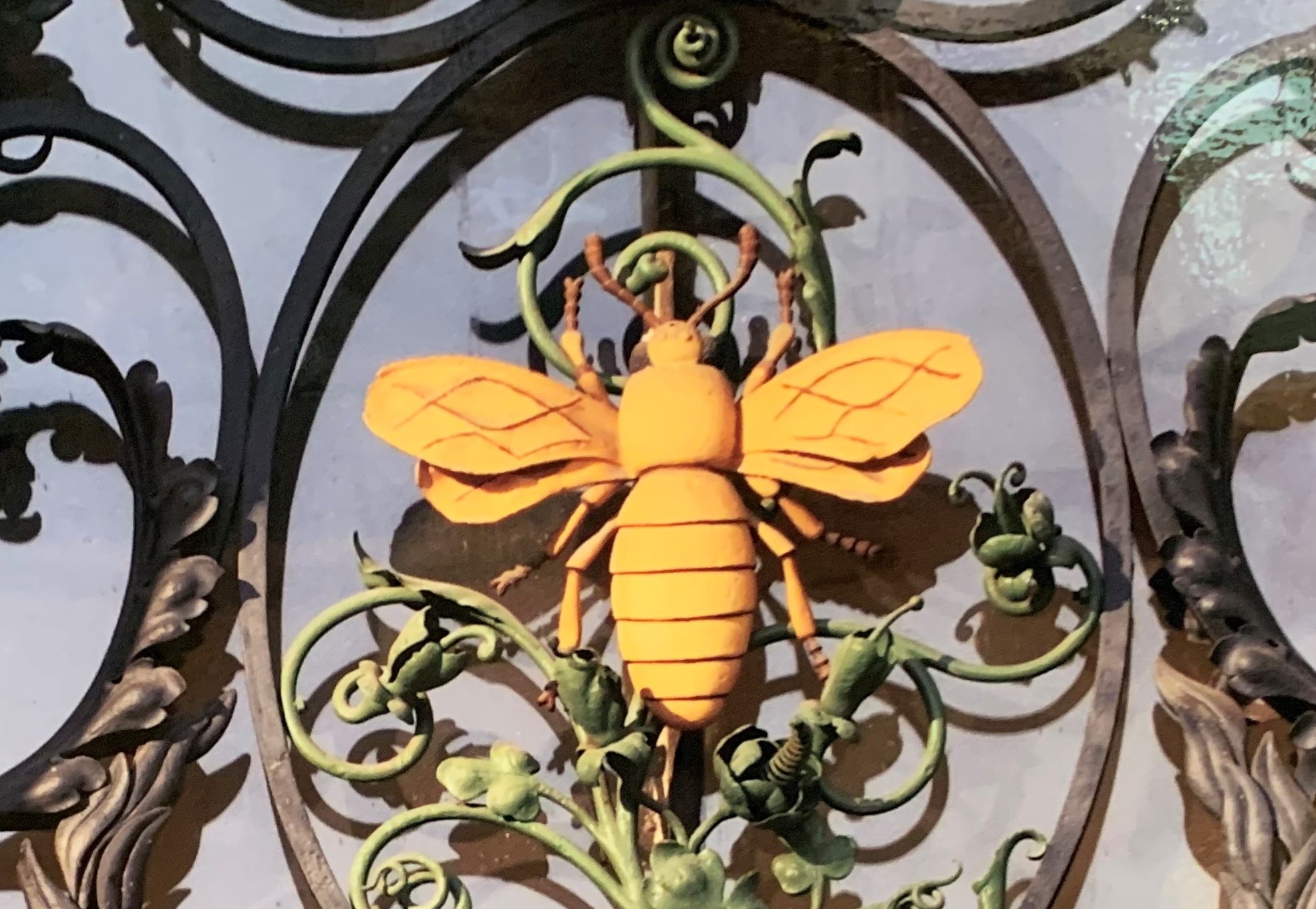 Just a reminder The Georgia Pollinator Census is August 18 and 19, 2023. For details how you can participate, visit https://GSePC.org
And for books about butterflies and bees check out our online offerings at https://bookshop.org/lists/bees-butterflies-birds
—– KEYWORDS: Lawns-to-meadows, Garden tours, —– ——– TITLE: Garden Update DATE: 07/17/2023 07:44:48 AM —–
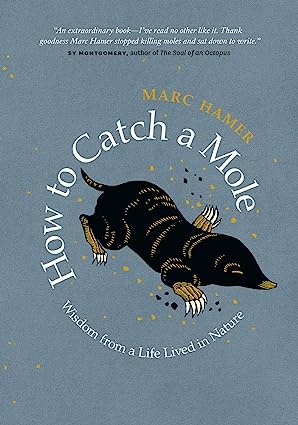
What I am learning more and more is the simple truth Marc Hamer wrote about in How to Catch a Mole: Wisdom from a Life Lived in Nature —
“Gardening is not nature: it is using the laws of nature and science to impose our will on a place…”
This bit of wisdom certainly has sunk in more lately as the challenges in my community garden plot continue, (as chronicled in a previous posting “Hang on Little Tomato”.)
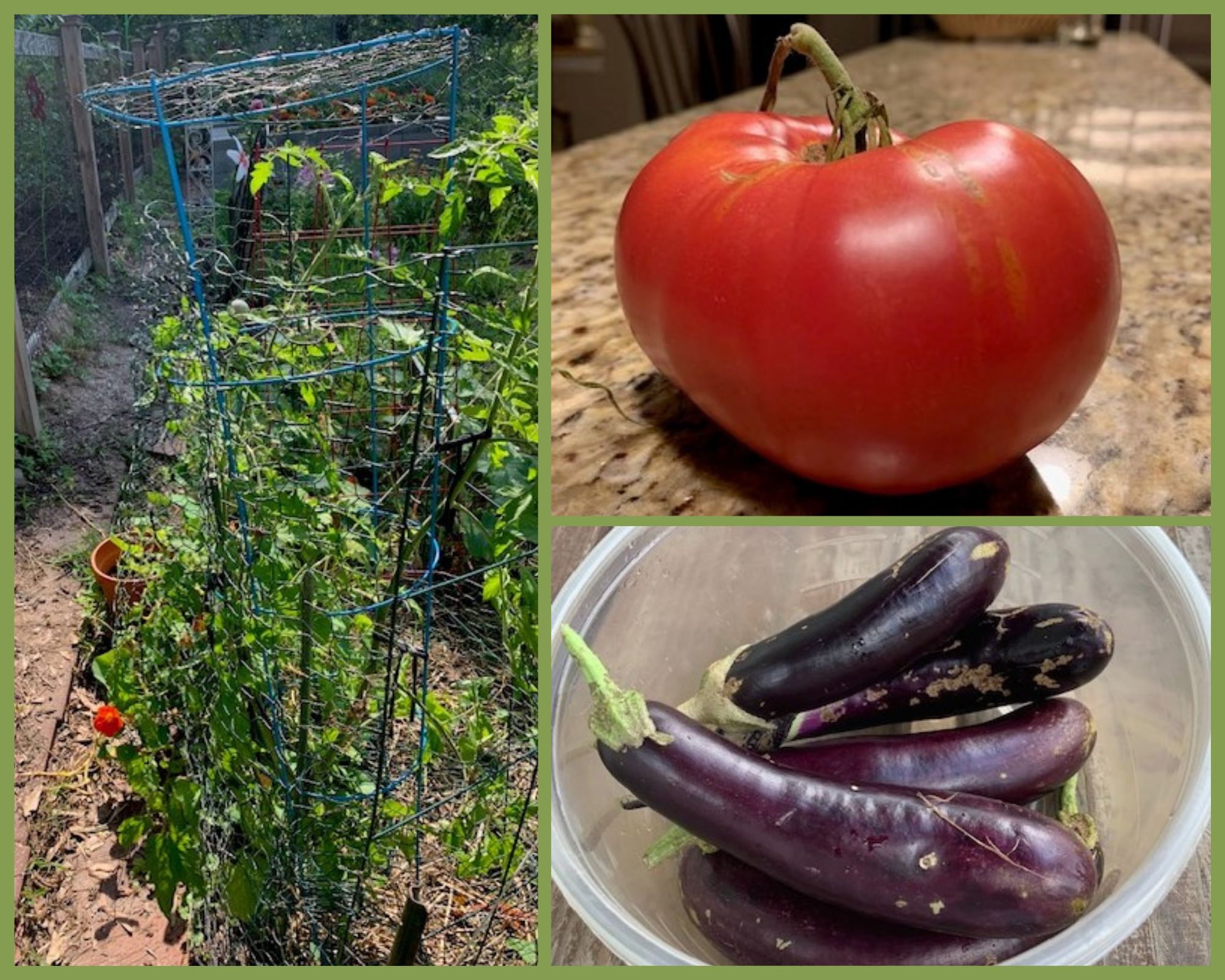
The good news is that I harvested a near perfect Brandywine tomato, and it was as tasty as tomato aficionados have described. The problem is that I have only one tomato that ripened on the vine and a dozen others in various shapes and sizes are on the brink. Unfortunately, the leaves are yellowing (not wilting) and the question is whether the tomatoes will begin to ripen before the plant capitulates.
I did have a similarly sized Cherokee Purple, but a squirrel got that one. I counterattacked by wrapping both of my remaining tomato plants in chicken wire and if that doesn’t work, I might try concertina wire. I also added a water dish because I’ve read somewhere that sometimes squirrels attack tomatoes because they are thirsty. Who knows.
Cuke Problems
My Marketmore cucumbers look healthy with plenty of blossoms, but the fruits never get bigger than the tip of my finger before disappearing. Until I figure it out, I am blaming the adjacent pickleball court and the sharp, sporadic 70-decibel plunk-plunk-plunking for creating a hostile environment.
Eggplants
I’ve always had success with Asian variety eggplants, but admittedly I have no understanding of my good fortune than I do with the problems I have with other veggies.
Funny how the Hamer quote has provided gardening comfort so far this season. Such is the power of reading to heal.
 Pop-up Events This Week
Destination Books will be at the Tucker Farmers Market on Thursday, July 20th from 4 to 7 p.m. and the Carter Center Freedom Farmers Market on Saturday morning July 22nd. Undoubtedly, I will bring my Hamer books.
—– —– KEYWORDS: Marc Hamer, How to Catch a Mole, Book popups, gardening and sustainabiliy —– TITLE: Hold on Little Tomato DATE: 06/21/2023 07:39:27 AM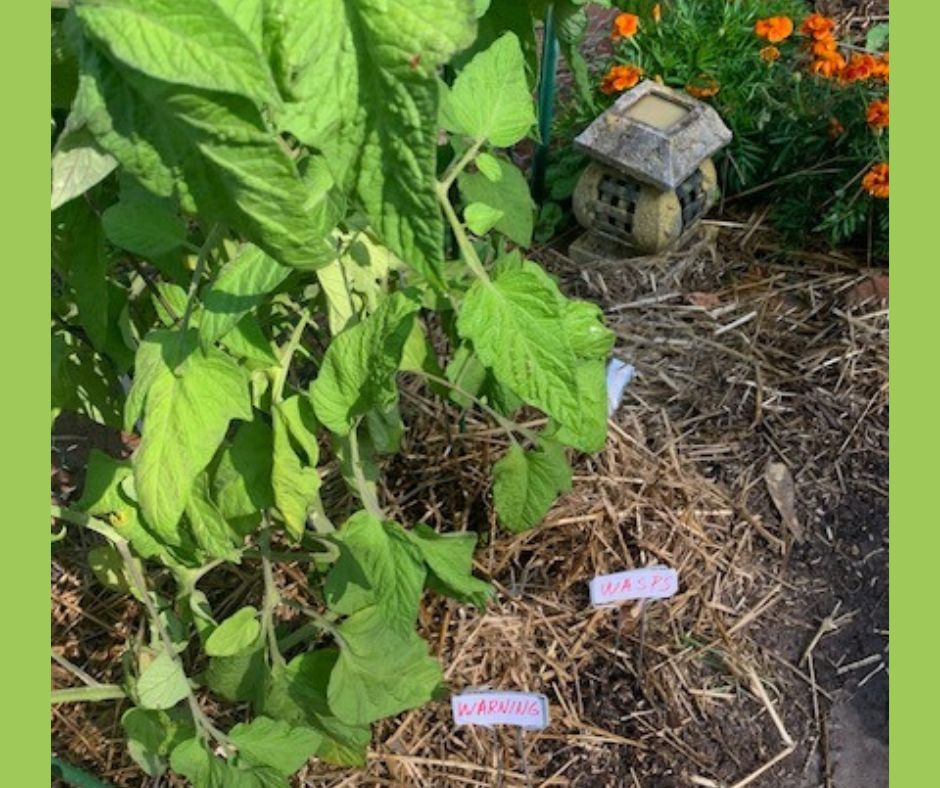
I've reached a critical juncture in the gardening season as my tomatoes start to bear fruit and ripen. I planted three plants and three different varieties: Brandywine (heirloom), Cherokee Purple (heirloom) and a Better Boy (a hybrid) in my small community plot, which unfortunately has a reputation for poor tomato harvests.
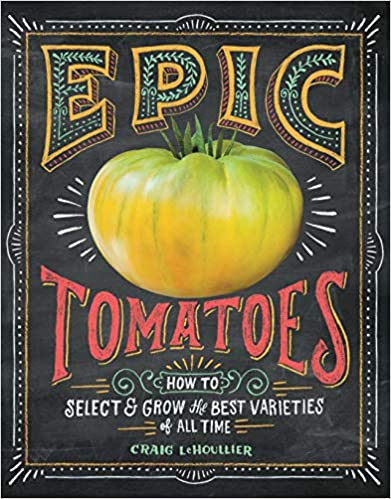 The heirlooms have produced several sizeable tomatoes, but they are still green. To protect them from the predators (visitors who cannot resist helping themselves), I posted signs that read "Warning Wasps" as a deterrent to the "help yourselfers." I was not exactly bullshitting since a nest of wasps have taken up residency in the decorative lantern nearby. This strategy—which does not appear in Craig LeHoullier's Epic Tomatoes book— has it's limits since other predators like squirrels are illiterate.
If that wasn't enough to worry about, our community plots are susceptible to tomato wilt which took out one of the plants while I was out of town over the weekend. I even serenaded my plants with "Hang on Little Tomato" before I left, but it didn't help. I guess not even China Forbes from the musical ensemble Pink Martini could have saved my Better Boy.
Please stop our pop-up books booth this Saturday morning, June 24th at the Carter Center Freedom Farmers Market to commiserate and to swap stories. Don't worry if you don't have a story, we sell them.
—– KEYWORDS: Hang on Little Tomato, China Forbes, Tomato pests, tomato wilt TITLE: On Vacation DATE: 06/14/2023 10:12:52 AM —– BODY:
Question: What does this bookseller do while he is on vacation?
Answer: Visit other bookstores and libraries (and pubs, museums and archeological sites).
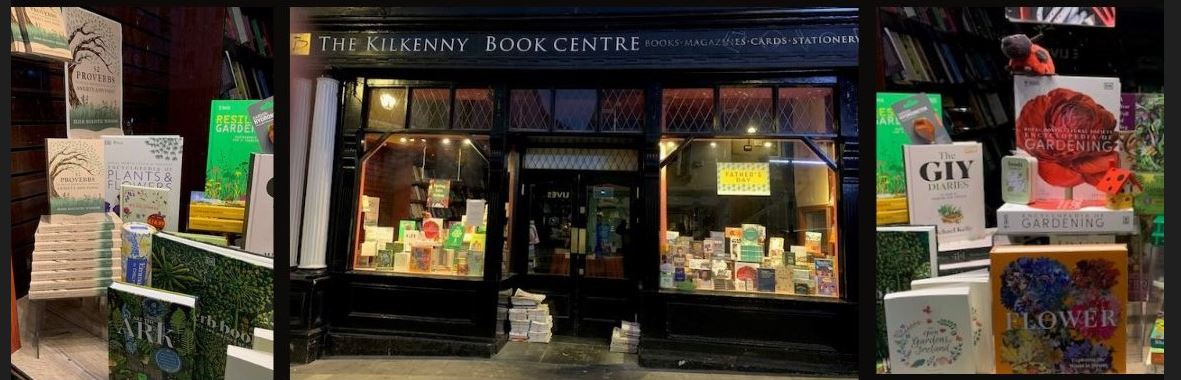
Destination: Books just returned from a 10-day journey in Ireland, which included all kinds of book-related activities. At the Kilkenny Book Centre (above) I noticed a display featuring gardening and sustainability books. Under normal conditions I would have evaluated the books thoroughly, but a.) I was on vacation and b.) I only had a small suitcase, so filling it with books is impractical for travel.
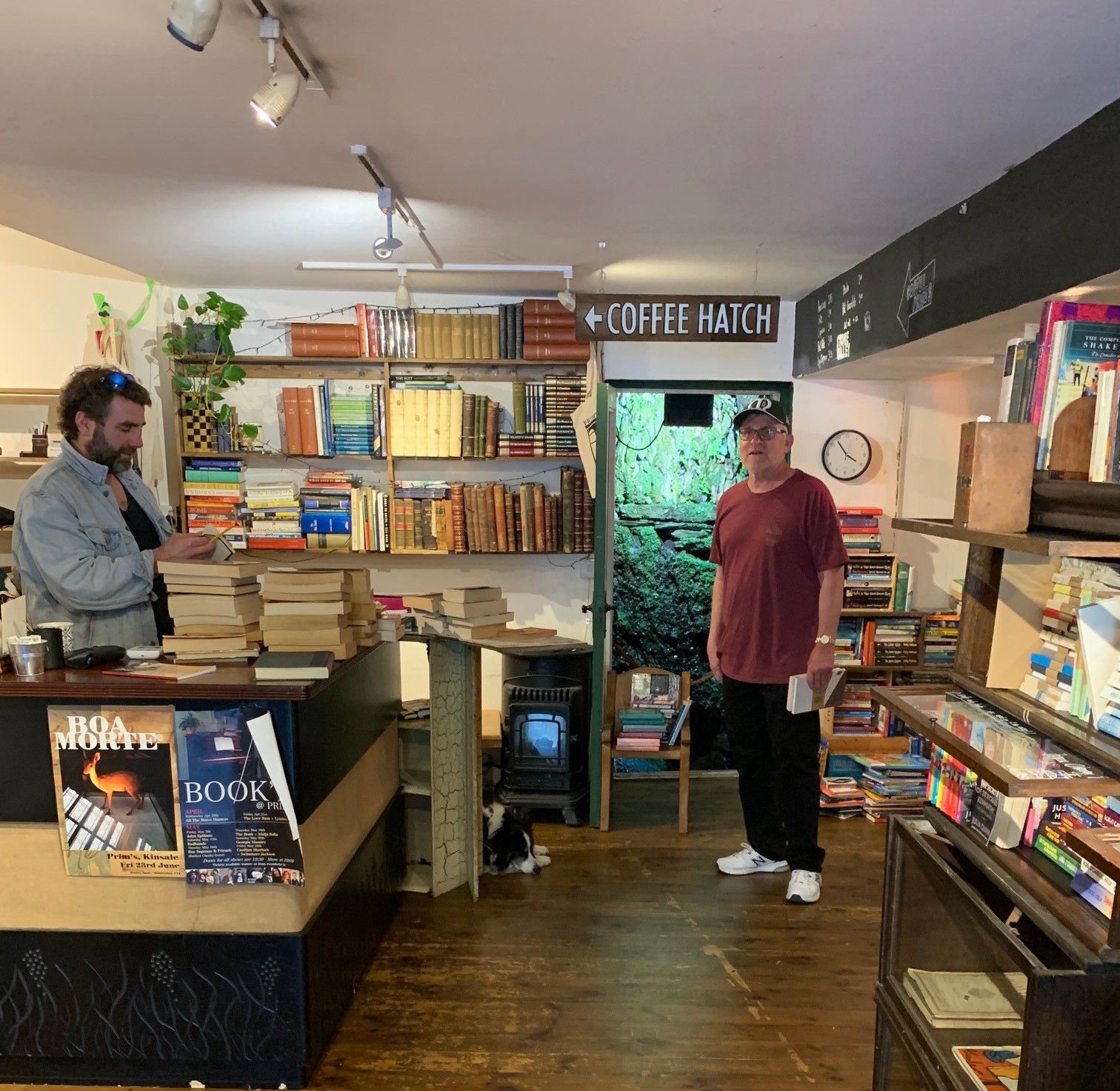 The most striking book shopping experience was Prim's Bookstore in Kinsale, a town located along the south coast in the county of Cork. It is a used bookstore filled with eclectic fare, but what makes it unique is that the back door butts up against the town’s dripping seawall.
At checkout you are serenaded with a timeless drip of water. Here is a short video of the soothing sounds.
Destination: Books returns to the Freedom Farmers Market at the Carter Center on Saturday morning, June 24th.
—– TITLE: Berlin Community Garden DATE: 05/28/2023 12:06:06 PM —– Last month I visited my older daughter in Berlin and we always take in the Prinzessinnengarten in the heart of the Kreuzberg district. Carved out of a brownfield in 2009, this working gardening focuses more on teaching others about sustainability and community building than curating individual plots. A second location is located in the Neukölln district which I visited and wrote about several years ago. It was an interesting experience since this location has repurposed a church cemetery.
These pictures look a little bleak, but it's an urban setting and Spring comes much later in this part of Germany as compared to April in Georgia.

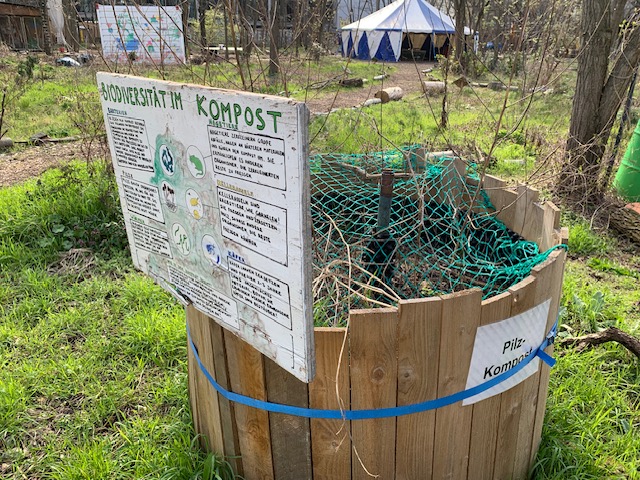

This area of the garden is dedicated to demonstrating different ways of adding back to the soil. One method called Bokashi is composting by fermentation rather than carbon centered. The wood chips next to the "portable bathroom" allows visitor to urinate on the chips that can be later used to fertilize plants.
Urinating directly on the plants is a no-no because the nitrogen content is way too concentrated, but if urine can seep into wood chips for a few months ahead of time it does eventually make for excellent fertilizer.
 Prinzessinnengarten also has many spaces to meet and exchange ideas. Here I am with daughter Cynthia resting a bit after an extensive tour.
I wish I could do a book pop-up here. (My next one is at the Carter Center's Freedom Farmers Market on Saturday, June 24th.)
—– TITLE: Insect Garden DATE: 05/15/2023 08:28:22 AM —–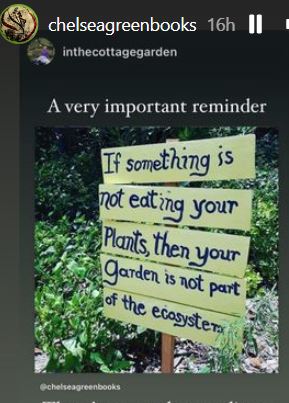 Every time I curse the insects that are eating holes in my budding eggplants and cucumbers, I remember this saying that a garden with no insects indicates that you are tending to a “dead zone.”
Over the past few years, I have come to accept (not embrace) that understanding and identifying insects is part of my gardening regimen, right up there with watering, fertilizing, and harvesting. I have devoted more time and resources to the subject.
My little 80 square foot community veggie plot is my test bed. After the spring peas are gone, I am left with several cucumbers, three tomato plants and five oriental eggplants. With the help of Sally Morgan’s The Healthy Vegetable Garden: A Natural, Chemical Free Approach to Soil, Biodiversity and Managing Pets and Diseases. I have implemented several strategies:
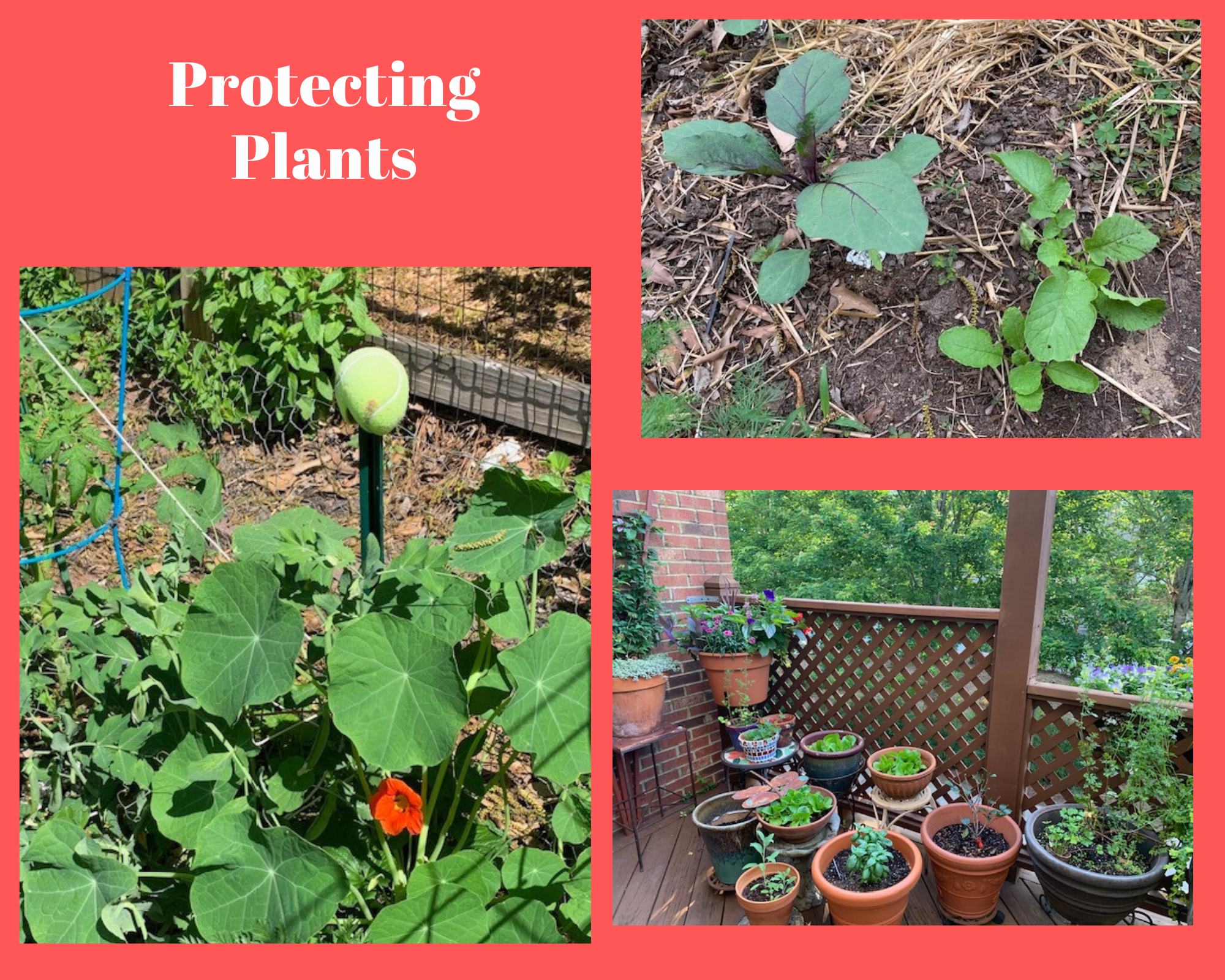
 Strategy 1 – Place sacrificial plants to attract the pests that would normally attack your favorites. In my case, I plant radishes for the sole purpose of protecting my eggplants which are susceptible to bugs early in their life cycle. Nothing against radishes, but I much prefer eggplants.
Strategy 2 – Plant flowers that distract harmful insects away from your favorites, especially those vulnerable tomatoes. Last year I planted marigolds (they must be the Tagetes patula variety), to protect tomatoes. This year I added nasturtiums which have gone gangbusters in the plot (they failed miserable everywhere else.) According to Morgan, nasturtiums attract aphids, blackflies, flea beetles, cucumber beetles, and white butterflies.
Strategy 3 – Plant things that attract parasitic insects that attack and eat harmful insects. This year I lucked out because by coincidence I put some dill and cilantro in the veggie garden, which I later found out they attract parasitic wasps and lacewings. These parasitic insects lay eggs into a harmful insect and then like a scene out of the movie Alien, the eggs hatch and they eat the host insect from the inside.
Strategy 4 – Beware what lies under the soil. Many of the insects or critters that harm your faves live underneath the soil. Certain nematodes cause tomato wilt, but the root systems of the aforementioned marigold can help combat this. In his book, Epic Tomatoes Craig LeHoullier recommends wrapping a collar aluminum foil at the base of a tomato plant like a tomato to keep cutworms from eating through the stem at the soil line.
Caveats. I have mentioned my sources, but don’t take my word entirely for it, but there is value in having a reference book or two in your gardening library. (This is the bookseller me talking.) BTW, our next scheduled popup is at the Carter Center’s Freedom Farmers Market on Saturday morning May 20th.)
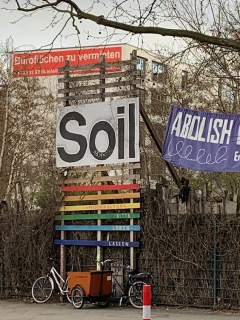 I recently returned from my third trip to Berlin to visit my older daughter, which always includes a tour of Prinzessinnengarten or Princess Garden. In 2009, a community garden was started in the Kreuzberg district of Berlin, reclaimed from an industrial, wasteland area that had been unused and abused for half a century. Not only has the city turned a brown space to green, but Prinzessinnengarten has become a center for community education about gardening and sustainability and a melting pot for Berlin's diverse population. A second location has been added in Neuköln district–a converted cemetery, which I wrote about here in April, 2021.
In the spirit of community gardens, Destination: Books will be at the Wylde Center Edgewood Community Garden as part of the celebration of Earth Day Festival on Friday, April 21st from 4 to 7 p.m. This is our second visit to Edgewood and we'll have a mix of children's books, how-to gardening books and a few inspirational offerings as well. The Edgewood garden has a mellow urban vibe. 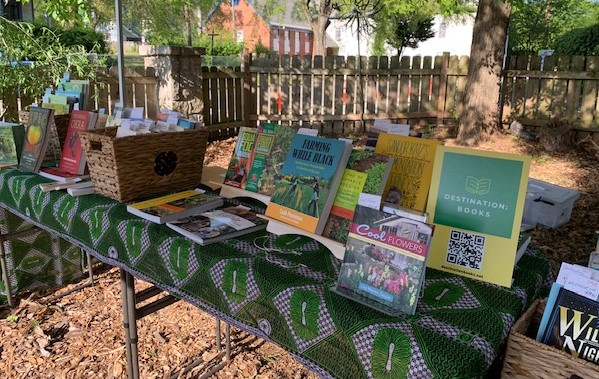
Avondale Estates Earth Day
We don't even bother to unpack before heading over on Saturday, April 22nd to Avondale Estates for their Earth Day festivities. This will be held on their new Village Green which has really transformed that area. We will be there from 2 to 5 p.m. along with a host of gardening vendors, clubs, etc. and later in the day– music and food.
—– KEYWORDS: Earth Day Festivities, Wylde Center Edgewood Community Garden, Avondale Estates –—- ——– TITLE: Varieties of Gardening Books DATE: 03/31/2023 08:25:41 AM —–
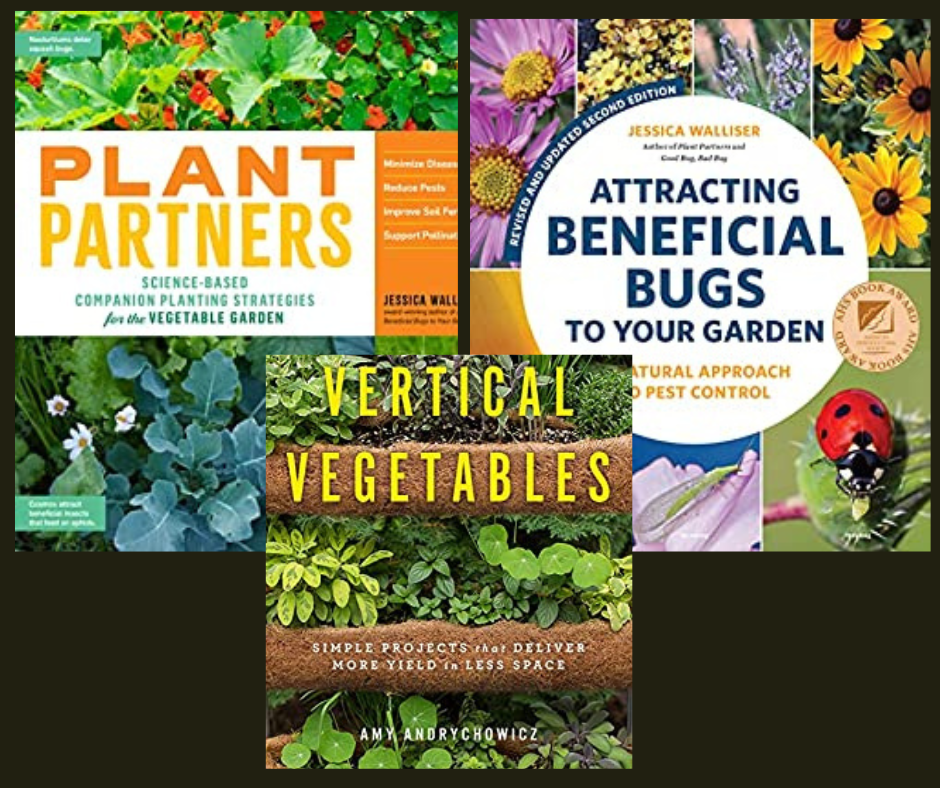
It's probably an oversimplification, but there several major varieties of how-to gardening books. We carry then all at Destination: Books.
First, there are the Getting Started kind of books.
These are introductory in nature to help you get you get started depending on your available space. We even have a cheat sheet (shown below) to make it easier for browsers to distinguish between our offerings. 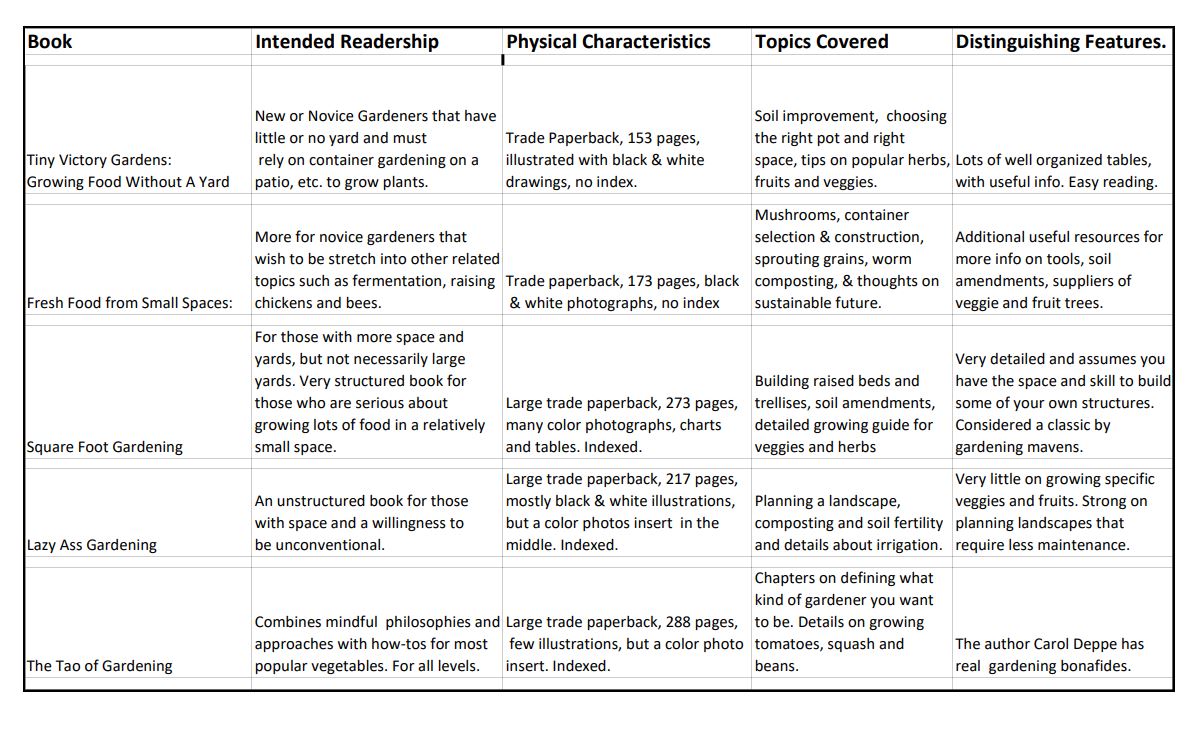
Secondly, there are the Deep Dives on a specific fruit or vegetable.
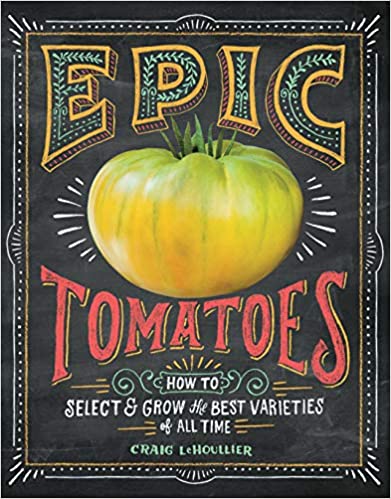
These offerings go into details about specific fruits or vegetables like beans, pawpaws, tomatoes, and okra. We pride ourselves of having the best selection of pawpaw books in the Southeast. (One time we even attended an impromptu sales training at a Botanical Gardens seminar.)
Thirdly, there are the "Take It Up a Level" books.
Gardening is all about growth isn't it? These are the type of books that challenge the gardener to master the finer points of gardening by selecting proper combinations of plants to attract pollinators and good bugs, or by combinimg plants that complement each other. Examples include two gorgeous, colorful books from Jessica Wallser shown at the top. Another book Vertical Landscaping by Amy Andrychowicz literally is about taking gardens up a level. She covers everything from plant selection to building to simple structures.
Just something to consider if you stop at our next pop-up bookstall, this Saturday morning, April 1, 2023 at the Freedom Farmers Market at the Carter Center in Atlanta. We may have a reduced inventory because the threat of weather, but we will have these books on hand. Even if they are housed in plastic tubs, our trained and hospitable staff will be there to guide you. 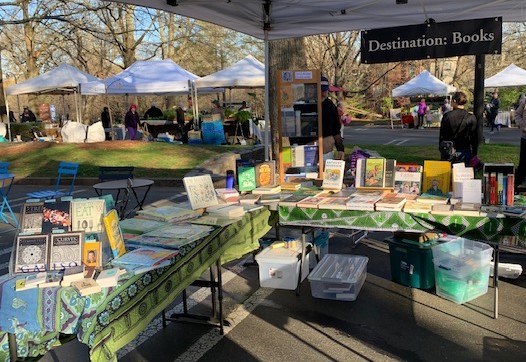
TITLE: Books for Sodbusters DATE: 03/17/2023 07:49:00 AM —–
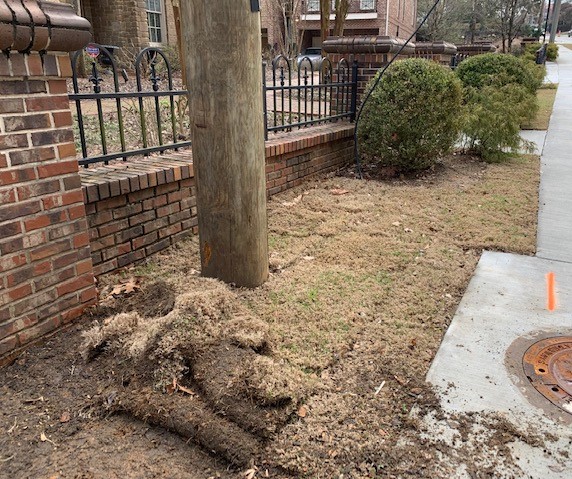
It is time of year to get serious about tearing out that lawn grass and replacing it with something useful such as wildflowers and native grasses that attract pollinators while discouraging the need for lawn mowing and fertilizers.
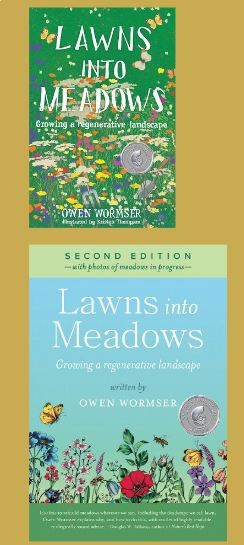 One of the books on this topic that we always carry is Owen Wormser's Lawns into Meadows: Growing a Regenerative Landscape, who explains which explains why lawns are a bad idea. Wormser writes:
"After they are gassed up and running lawn mowers emit ten times more hydrocarbons than a typical car for every hour of operation. This means that in one hour, a commercial lawn mower the kind used by professional lawn mower companies, spews as much smog-forming pollution as driving a 2017 Toyota Camry for 300 miles. Brand-new gas-powered residential mowers running for just one hour are not much of an improvement; the amount of emissions released is the equivalent of driving a car for 100 miles…But in addition to the environmental costs, they also demand a lot of time and money. The average lawn owner spends 150 hours a year tending to their grass."
With the help of the Wormser book, one can improve the environment incrementally. I have been using it as a valuable resource to restore a dead, eroded hillside in my development with wildflowers (I don't have a yard.) and grasses. His recently published new edition includes color photographs to inspire.
I will have both editions at the next Destination: Books pop-up scheduled for Saturday morning, March 25th the Carter Center's Freedom Farmer's Market in Atlanta. We are back for our third year. In the meantime both books are available online from the Gardening-How-To section of our Bookshop website.
—– KEYWORDS: Owen Wormser, Lawns into Meadows, —– ——– TITLE: Cool Flowers DATE: 02/22/2023 01:23:27 PM
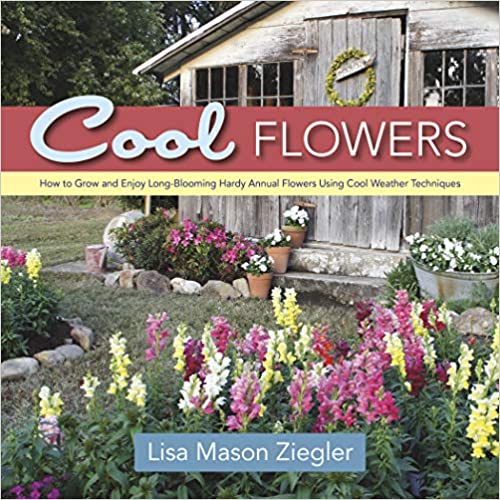 In preparation for the upcoming Wylde Center Seeds and Scion Exchange book pop-up (details here) I am getting some of my own wildflowers ready Spring planting. Part of that prep includes looking at Lisa Mason Ziegler's Cool Flowers: How to Grow and Enjoy Long-Blooming Hardy Annual Flowers Using Cool Weather Techniques. Recommended by a flower vendor when I was doing a popup last year, I ordered this book and kept it in storage waiting for the right time to display it.
That moment has come because Ziegler's book (kind of a classic considering it's been in print for over a decade) is a combination of specifics of what, when and how to grow annual and perennial flowers. It includes detailed instructions on how to grow them from seed. This is important as Ziegler writes:
Starting your own plants at the right time is the only way to be sure of having a fabulous hardy annual garden. It is almost impossible to find the plants you want in the fall or early spring unless you start them yourself. If hardy plants are available at all on the retail market, it is seldom in the variety you want or at the correct planting time for your garden seeds yourself is the way to go.
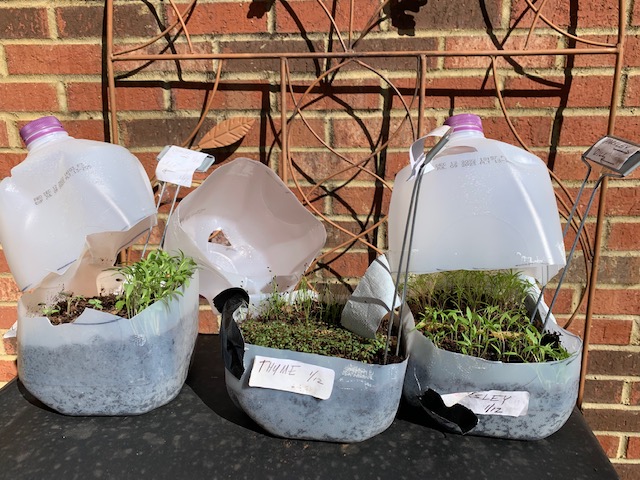 Last year was the first time I grew some of my own plants from seed and I am expanding my operation this year. Ziegler's gorgeously printed book with its inspirational colorful pictures and easy-to-absorb advice, gives me hope. But you know about hope— it springs eternal.
Note: If you cannot make to the Exchange, you can purchase Cool Flowers online from the Destination: Books Bookshop portal located here.
—– KEYWORDS: Lisa Mason Ziegler, Cool Flowers: How to Grow and Enjoy Long-Blooming Hardy Annual Flowers Using Cool Weather Techniques. —– ——– TITLE: Three Books on Seeds DATE: 02/08/2023 09:03:57 AM
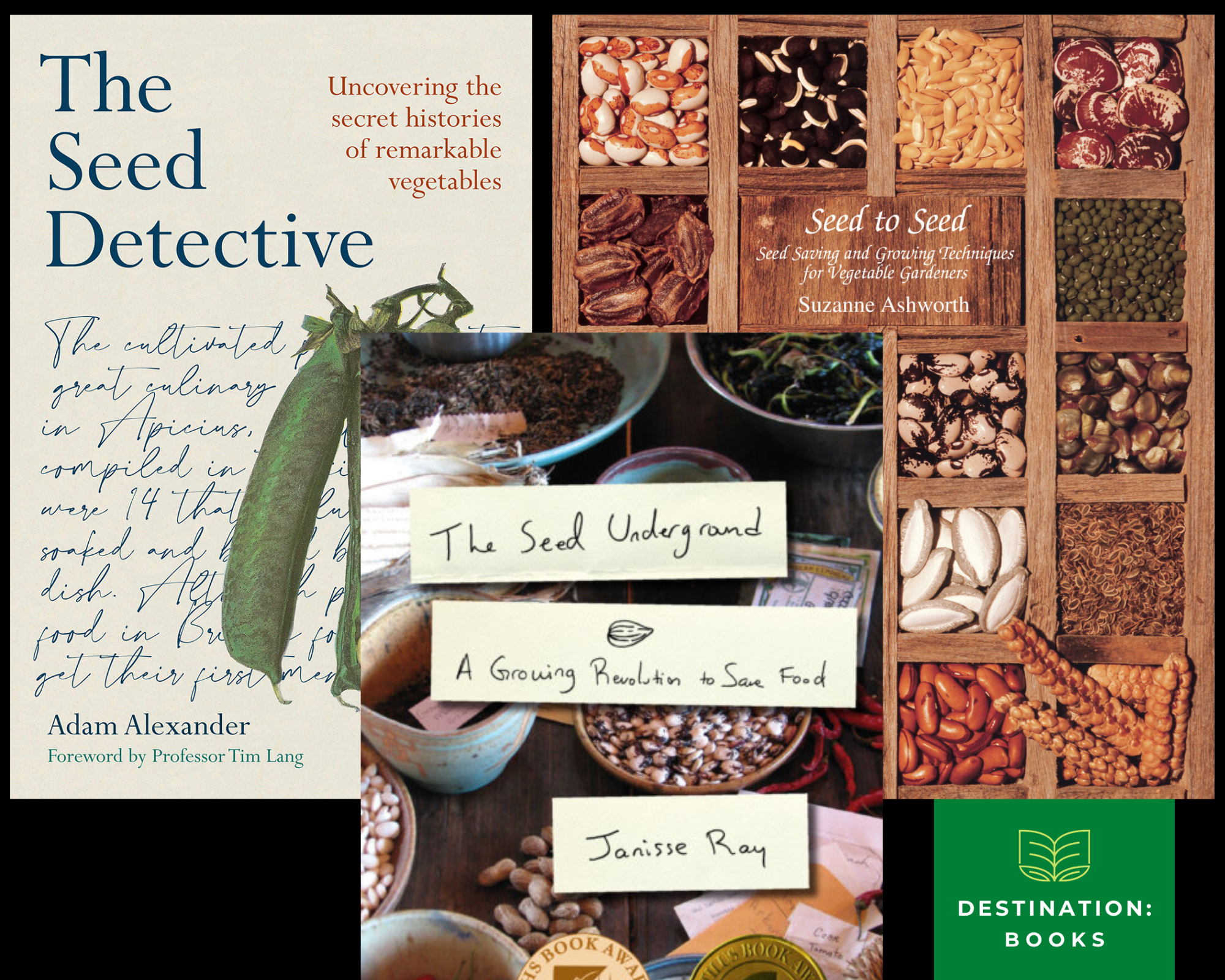
In anticipation of the upcoming Wylde Center's Seed and Scion Exchange later this month (details here), Destination: Books has been gathering books about seeds and taking a closer look at their specific offerings. Here’s a recap:
Seed to Seed: Seed Saving and Growing Techniques for Vegetable Gardeners by Suzanne Ashworth. For over twenty years this book has been a mainstay reference book providing detailed information on each vegetable including: botanical classification, flower structure and pollination, isolation distance, population size, caging or hand pollination and proper method to grow, harvest, dry clean and store the seeds.
It’s well organized and includes growing tips for different regions of the U.S. Seed to Seed reminds us that few things can match the usefulness of a good, soon-to-be-dogeared, reference book.
The Seed Detective: Uncovering the Secret Histories of Remarkable Vegetables by Adam Alexander. In this book the globetrotting Alexander, combines his personal experiences with the history and heritage of a variety of vegetables. His prose is fast-paced, breezy and loaded with fun facts whether diving into the evolutionary history of the tomato or discussing the color of carrots. Each chapter reads like a mini documentary you’d see on the Veggie Gardening Channel.
I guess it should not come as any surprise since Alexander’s day job is as a film and television producer.
The Seed Underground by Janisse Ray. This nonfiction collection is mixture of Ray’s upbringing in the southeastern Georgia, her own experiences pursing and preserving seeds, and portraits of the “revolutionaries” who have influenced and inspired her along the way. Ray’s book is more lyrical and longing in tone and she is also a no-nonsense activist, highly critical of large American Food System. In the chapter “What is Broken” she lists the reasons why seed diversity is important:
- Our food is going extinct.
- Our food supply is being stolen from us.
- Our food supply is being bought out from under us.
- Bad food has been forced down our throats.
- Our food is hazardous to our health.
- Our food is harming the earth.
- Our food annihilates pollinators.
- Our food threatens democracy.
If you cannot make to the Seed and Scion Exchange to swap seeds and enjoy the company of like-minded people, these seed books are available at our online store or directly from the publisher Chelsea Green. These new books would be shipped directly to your home and you’ll be supporting independent bookstores and an independent employee-owned publisher.
BTW, Destination: Books is now a 2023 Vendor Sponsor for the Wylde Center.

As part of my off-season regime, I am hopelessly trying to catch up on books that I am scouting out for the 2023 version of Destination: Books. My anthropologist daughter Cynthia sent me one such book for consideration– The Mushroom at the End of the World by Anna Lowenhaupt Tsing.
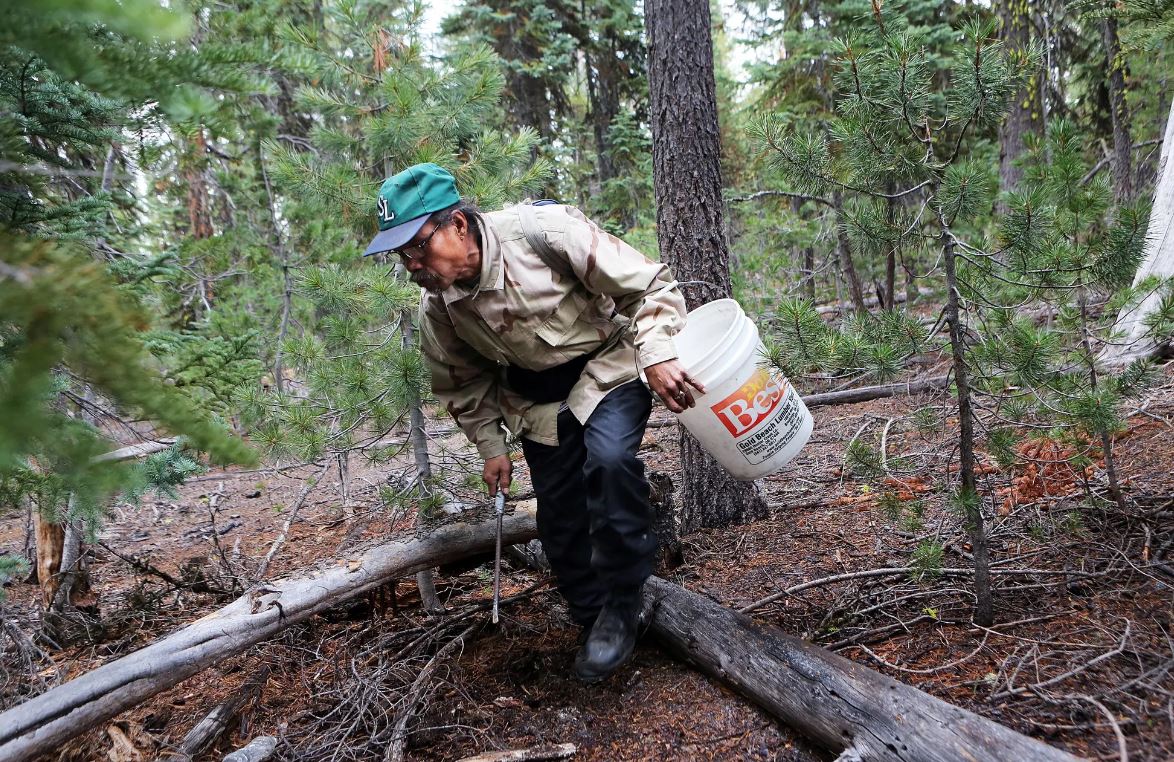
The book begins by centering on the matsutake mushroom as an edible delicacy in Japan, where it sometimes commands astronomical prices. What adds to its uniqueness is that it thrives in damaged landscapes in the northern hemisphere—most notably Japan, Oregon, and Finland. By damaged, I mean scrubby landscapes of usually pine trees leftover from commercial logging by the timber industry. It cannot be grown commercially and harvesting it relies on a diverse population of mushroom hunters* who vary in background, customs, and language. In Oregon, many of the hunters are Hmong (from Laos), lu Mien (Laos and Thailand), or Khmer (Cambodia) who migrated to the Northwest after families who were displaced by the War in Southeast Asia. Also, included in the book is a history of the Japanese forestry industry, which factors into today’s matsutake landscape as well.
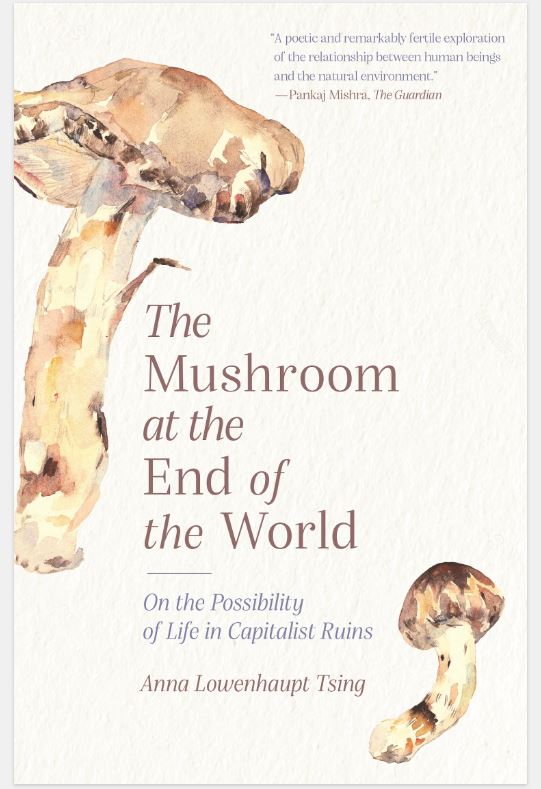 Tsing describes in detail this unusual supply chain of matsutake commerce. Since the mushroom thrives in human-disturbed forests, it offers some resurgence in ravaged ecosystems. Quoting the book’s jacket: “In all its contradictions, matsutake offers insights into areas far beyond just mushrooms and addresses a crucial question: what manages to live in the ruins we have made?” By investigating one of the world’s most sought-after fungi, The Mushroom at the End of the World presents “an original examination into the relation between capitalist destruction and collaborative survival within multispecies landscapes, the prerequisite for continuing life on earth.”
Mushroom hits the sweet spot of a Destination: Books offering—the intersection of sustainability, distant places to visit and good writing. Tsing's book is wide in scope and can be challenging at times, but well worth the effort.
The book is available in the Fungi and Mushroom section of the Destination: Books online store (powered by Bookshop.org) next to Merlin Sheldrake’s classic Entangled Life. Purchases made there are shared with independent booksellers like Destination: Books.
* The photograph of an immigrant Thai mushroom hunter at the top of the posting comes from a New York Times 2013 video series. Thomas Patterson took the photo. (The Mushroom book has many black and white hotos, but none that I could get ahold of.)
—– EXTENDED BODY: —– EXCERPT: —– KEYWORDS: Anna Lowenhaupt Tsing, Tsing, matustake, mushroom hunting, Oregon, Japan, The Mushroom at the End of the World —– ——– TITLE: These Just In DATE: 11/05/2022 07:40:13 AM —–Between popups, I have been evaluating two books that may be of interest to our "adventurous” clientele.
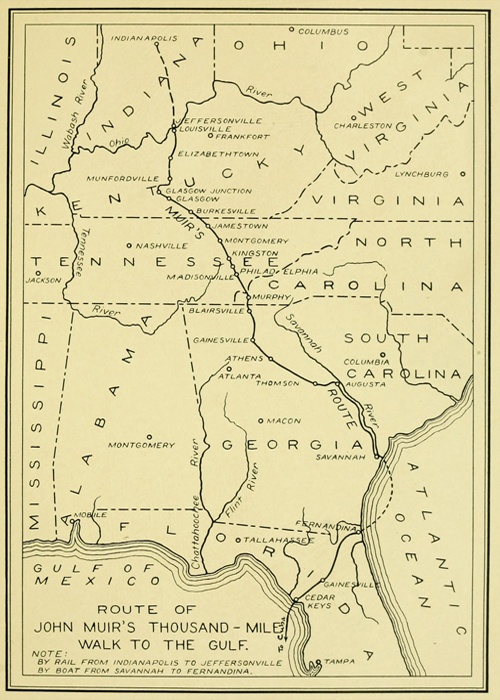 Dan Chapman in his recently published A Road Running Southward: Following John Muir’s Journey Through an Endangered Land mixes a travelogue with a report card on the Southeast’s various ecosystems from Kentucky to Florida. Chapman follows naturalist John Muir’s 1867 trek from Louisville, through Tennessee and Georgia to Cedarville, Florida but instead of traveling on foot through a war torn South, he goes by Subaru through a growing/sprawling South, which has prospered, depending on one’s definition of prosper, at great ecological cost.
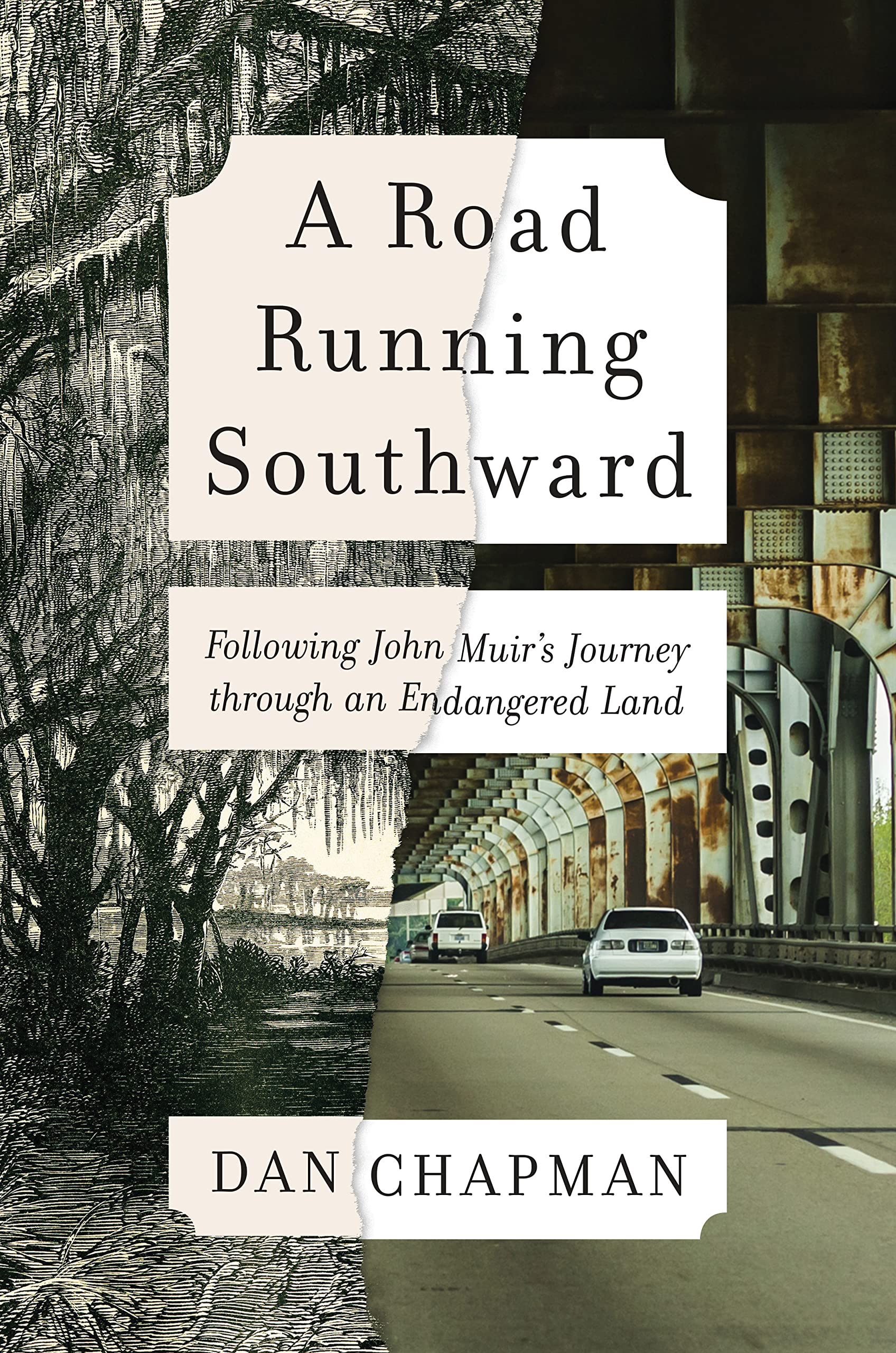 Not only does Chapman reference Muir’s writings throughout, but he uses his journalistic skills to interview those on the front line of the Southeast’s fight against species disappearance, water pollution and habitat loss. His chapter on the 2008 coal ash flood in Kingston, Tennessee is especially poignant, especially when you consider North Georgia has been bringing the toxic coal ash (a byproduct of coal firing plants) from other states.
Likewise, in Two Wheels Good: The History and Mystery of the Bicycle, Jody Rosen takes the reader to distant lands and a journey through history. Rather than try to write a definitive, Pollyannish, account of this newly crowned symbol of green living, Rosen explores the gray areas of the bicycle (or velocipedes as it was known early in 19th century England) mixing in personal experiences and a travelogue.
Rosen effortlessly (always a good sign of a skilled writer) meshes the bicycles current standing with its checkered and uncertain past especially with airplanes and automobiles.  In one chapter, Rosen travels to the St. Giles Church in Buckinghamshire-west of London to see a stained-glass window that is graced by an early (biblical?) bicycle. The minister explains why so many make the pilgrimage. “A thing you learn about this job is the people like mysteries, I think as much as they like certainties.”
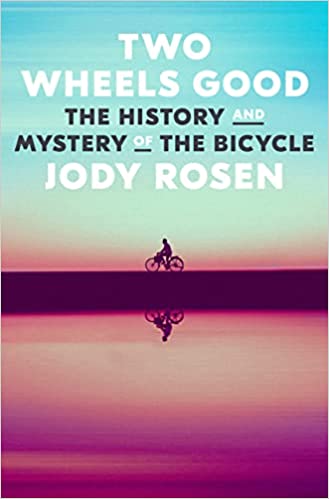 These words of wisdom explain why this book is so good.
Note: Our next popup at the Freedom Farmer's Market is scheduled for Saturday morning, November 19th. You can also find these two books at our online Destination: Books store.
—– KEYWORDS: book popups, Atlanta, Georgia, Dan Chapman, A Road Running Southward, book about John Muir, Two Wheels Good, Jody Rosen —– ——– TITLE: Popup at a Popup DATE: 09/29/2022 09:29:02 AM —– 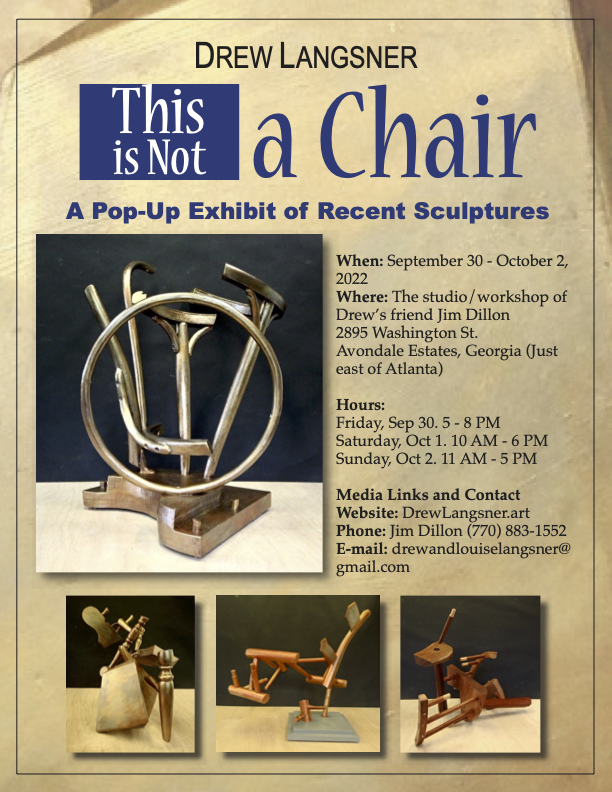
Destination: Books will be managing the books sales at the opening for Drew Langsner's This is Not a Chair: A Popup Exhibit of Recent Sculpture on Friday evening, September 30th in Avondale Estates. Although this is not our normal venue, it does fit in with what we like do— to display and chat about some fine books such as Langsner's Country Woodcraft: Then and Now.

Country Woodcraft was originally published in 1978 and this revised edition from Lost Art Press includes an additional hundred pages in its original format of landscape binding and printed on #80 matte coated paper for superior image reproduction.
Langsner revisits his earlier work which gives it a "delightful conversation with his younger self" quality.
The exhibit is open to the public.
—– TITLE: September Song DATE: 09/14/2022 06:28:51 PM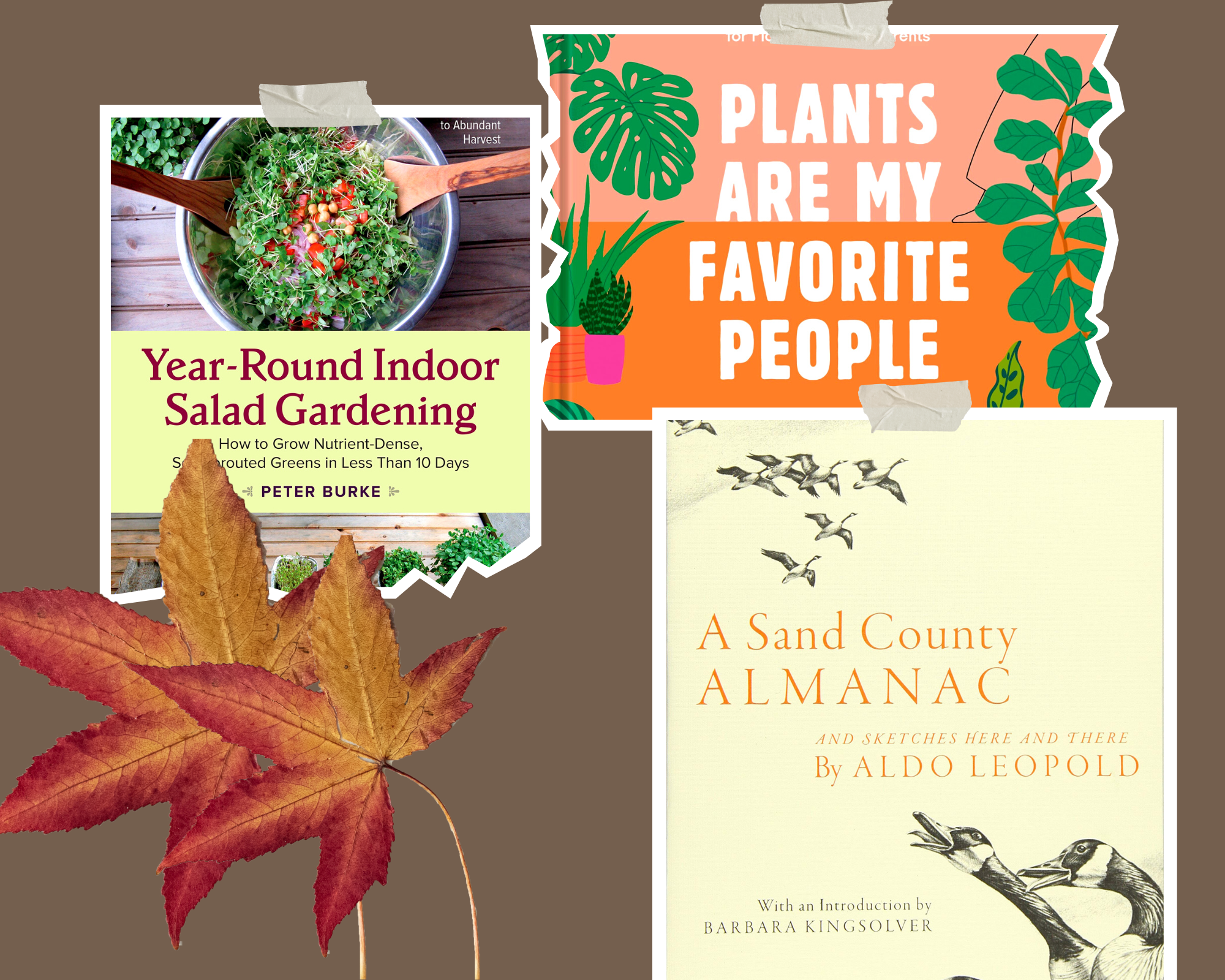
We’re turning the page from summer to fall, here at Destination: Books. Instructional books about growing vegetables like The Whole Okra, Epic Tomatoes and Square Foot Gardening forfeit shelf space to more off-season fanfare such as Year-Round Indoor Gardening, Plants Are My Favorite People. and A Sand County Almanac.
In Year-Round Indoor Gardening, Peter Burke provides convincing instructions on how you can grow your own ingredients for healthy, tasty salads year-round. His methods are low-tech, low impact and do not require grow lights or even a window with southern exposure. With an abundance of color photographs and drawings he shows how you can fight off the moody blue feelings that can crop up at the end of the gardening season.
When your outdoor gardening activities are limited, one can pivot to house plants. In Plants Are My Favorite People, Alessia Resta provides a colorful guide and inspiration to turning your living space to an indoor arboretum. (She keeps 200 plants in her 750 square foot New York City apartment). Not only does she cover the basics of determining what mix of plants and involvement best suits you, but she includes how-tos on repotting, pest control, and fertilizing. She includes a list of 26 popular house plants that can get you started in the right direction.
A Sand County Almanac's — That Rare Combination
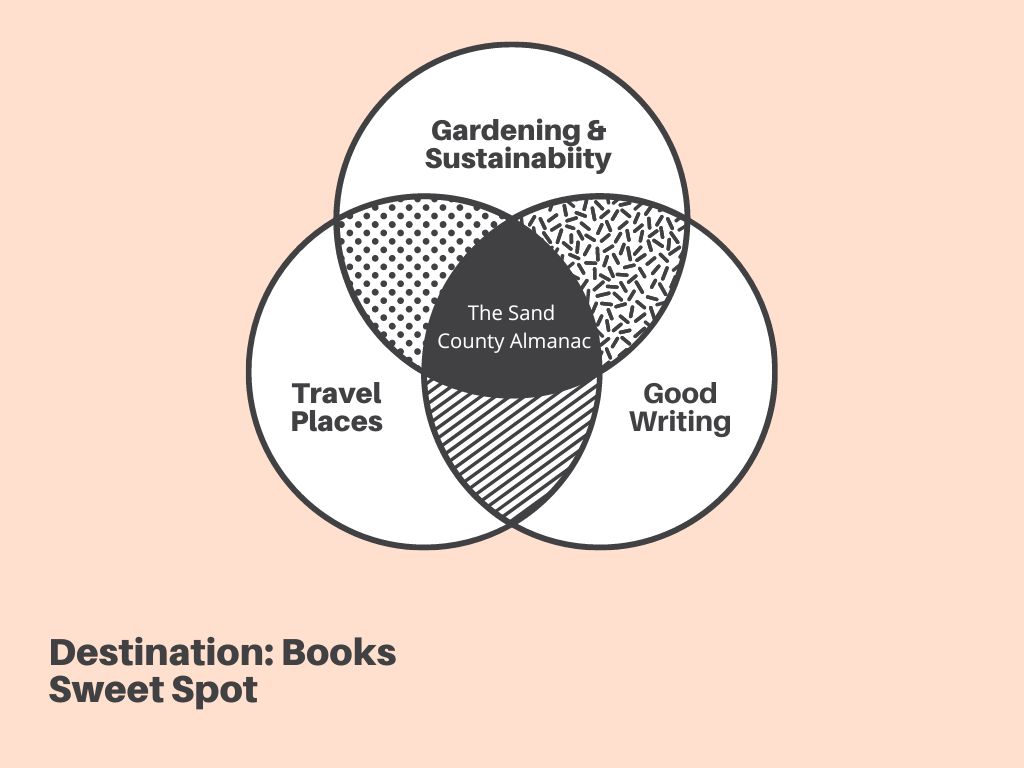 A Sand County Almanac is the 1948 Aldo Leopold classic that now includes a new introduction by Barbara Kingsolver. It hits a Destination: Books' sweet spot — a book that intersects good writing, with natural world and environmental themes, and travel (to different places and time.) The first part of Leopold’s book chronicles a year on his farm in Wisconsin and it is filled with simple but poignant observations. For example, in the entry "February,", Leopold is forced to cut down a nearly century-old oak tree fatally damaged by lighting. As he saws through the tree he ruminates on the ecological history of the state:
"Now our saw bites into the 1920's, the Babbittian decade when everything grew bigger and better in heedlessness and arrogance–until 1929, when stock markets crumpled. If the oak heard them fall, its wood gives no sign. Nor did it heed the Legislature's several protestations of love for trees: A National Forest and a forest-crop law in 1927, a great refuge on the Upper Mississippi bottomlands in 1924, and a new forest policy in 1921. Neither did it notice the demise of the state's last marten in 1925, nor the arrival of its first starling in 1923.
In March 1922, the Big Sheet tore the neighboring elms limb from limb, but there is no sign of damage to our tree. What is a ton of ice, more or less, to a good oak?
Rest! cries the chief sawyer, and we pause for breath."
Part Two are short sketches from Leopold’s life (1886-1948) in the Midwest where he grew up, and travels in Canada and the Southwest. Before he settled permanently in Wisconsin, he worked for the U.S. Forest Service in New Mexico and Arizona.
The final third of the book includes four essays summarizing how we to change our thinking about natural world. Kingsolver describes one of the essays “The Last Ethic” as a “classic classroom text and the manifesto of a movement.”
Return to Freedom Farmer's Market
Destination: Books will be at the Freedom Farmer's Market at the Carter Center on Saturday morning, September 17th. We were rained out last week, but we'll be back with our partners from the Carlos Museum Bookshop with plenty of new titles and ready to chat about books.
—– TITLE: Bee Ready UNIQUE URL: https://thebookshopper.typepad.com/destination_books/2022/08/bee-ready.html DATE: 08/10/2022 08:25:56 AM
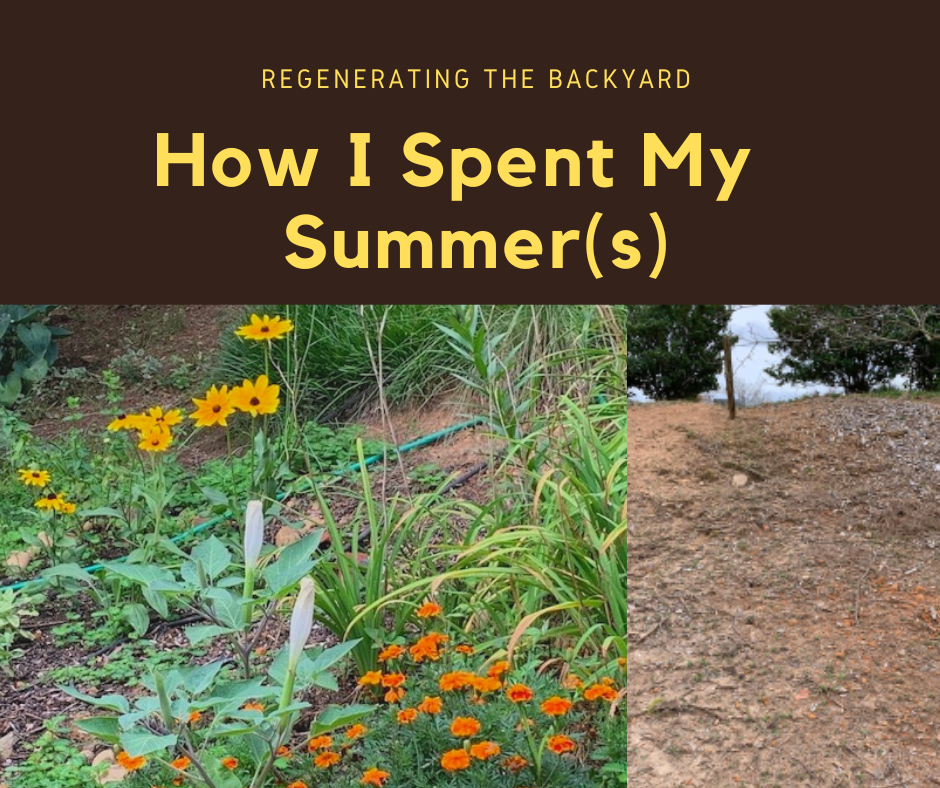
 I've been getting ready for The Great Georgia Pollinator Census on August 19-20, 2022 for over a year now. The University of Georgia extension service created the census to promote pollinator conservation. Last year I recorded the numbers and types of bees, wasps and butterflies that were visiting some of the flowers in my local community garden and filed it with the Census website.
This year I have been able to expand my range of recordkeeping choices. Beginning in the Spring of 2021, I started trying to regenerate an eroded scrub area that was a neglected part of my development. Books like Farming While Black, Nature's Best Hope: A New Approach to Conversation That Starts in Yard, and The Living Soil Handbook, have provided some of the inspiration and instruction. I've added some better soil with some compost, terraced it and planted some lavender, black-eyed Susans, and marigolds—the latter two I started from seed after taking an online Wylde Center gardening class last winter. A few of my neighbors have donated some other plants as well as their time watering and trying to control the weeds. What used to be just some scrub vegetation, badly eroded soil (mainly clay really) has now become the beginnings of a garden that attracts bees (not butterflies yet).
Adding to the community vibe a regular customer came by our Destination: Books booth at the Freedom Farmer's Market at the Carter Center last month gave me some native milkweed plants to attract monarchs, which I have added to my meadow mix.
Our next popup at the Freedom Farmer's Market is Saturday, September 10th, but in the meantime, you can sharpen your pencils and print out a scorecard to participate in the upcoming pollinator census.
—– KEYWORDS: Great Georgia Pollinator Census, Farming While Black, Nature’s Best Hope, Living Soil Handbook —– ——– TITLE: Thinking Outside Our Skulls DATE: 07/26/2022 08:05:10 AM —– 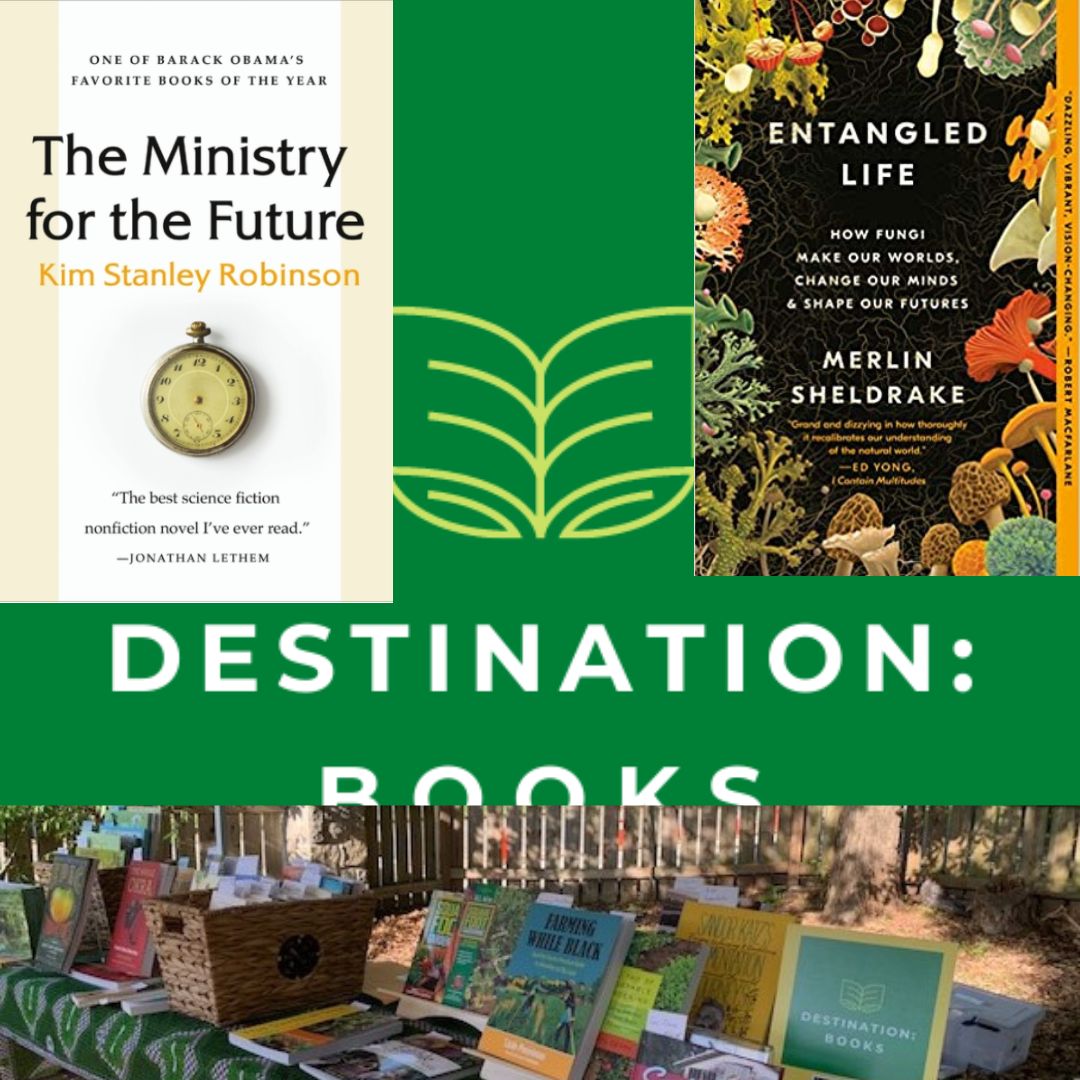
There are two books that have been at the forefront of my thoughts lately. One is Ministry for The Future by Kim Stanley Robinson, and the other is Entangled Life: How Fungi Make Our Worlds, Change Our Minds and Shape Futures by Merlin Sheldrake.
Ministry for the Future
The recent high temperatures in the U.S. and Western Europe remind me of the opening chapters of Ministry for The Future, Robinsons speculative novel about the not-to-distant future of a planet coming to grips with global catastrophe. Robinson’s book begins with a cataclysmic heat event in India killing millions of people.
Depressing reading? Yes sorta, but as you read on, the Robinson book shows that the future doesn’t have to be so bleak if we combine technology and a willingness to make political change–even if it takes some real arm twisting. The book shows us a way out and that is a cause for optimism. For more about the book, visit a posting "Speculating on the Future" on my companion blog. There you will find more about the book and links to Ezra Klein's recent interview with Robinson.
In the interview Robinson remains guardedly optimistic. He thinks the planet has reached a sweet spot that climate change definitely has our attention (no small task) and it’s not too late to do something about it. This makes sense. If things are too catastrophic then we are too overwhelmed to do anything, but if the negative impact is too mild then it is too easy to ignore.
Alas, we have reached the sweet spot of misery.
Entangled Life
 Like Ministry this book is supposed to change your life, which is always makes me skeptical, but you cannot read it and not be amazed about all the possibilities. What I appreciated about Sheldrake’s short book is that he provides a readable overview of how fungi have played an unheralded pivotal role in the planet’s ecosystem.
He includes chapters on defining the fungi (e.g., truffles) and how they operate in labyrinths underneath our feet. There is a chapter on lichen (which are well suited for space travel BTW), the long history of hallucinogenic mushrooms, and the possibilities of mushrooms being used to combat pollution and soil contamination. There are some color photographs to illustrate Sheldrake’s book including this oyster mushroom growing out of jar of old cigarette butts. *
Both Ministry and Entangled books address these topics individually, but what contributes to their popularity is that they provide a vision of the possibilities if we just “think outside our skulls," as Sheldrake writes.
You can browse through both books at our next pop-up at the Freedom Farmers Market at the Carter Center in Atlanta on Saturday morning, July 30th.
*This photo of the Sheldrake book comes from Rob McCoy who has written a mushroom classic entitled Radical Mycology, where he has used a white rot fungus, the Pleurotus mycelium to grow oyster mushrooms from used cigarette butts.
—– —– KEYWORDS: Entangled Life, Ministry for the Future, Merlin Sheldrake, Kim Stanley Robinson, Freedom Farmer’s Market, popup bookstalls —– TITLE: In Praise of Gardening Books DATE: 07/12/2022 08:37:01 AM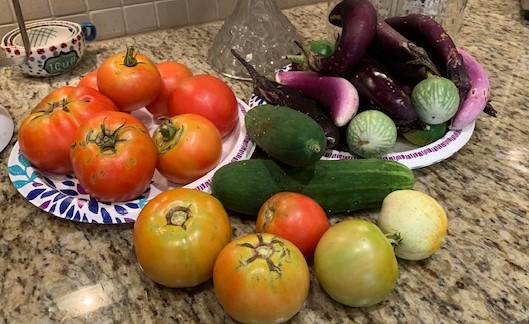 I have to say this year's garden bounty has been the best ever (but historically I have had a low bar). As always some of the success has been due to luck, but not entirely, because at Destination: Books not only do we sell gardening books, but we follow the written word.
It begins with soil and all the veggie gardening books that we sell emphasize the need to amend your soil ahead of Spring planting. This year I have amended it with compost from the local Food Alliance and then added some Alpaca manure from my daughter's private herd. I also spaced my tomato plants better allowing for improved air flow and avoided getting the leaves wet while watering in order to reduce the chance for the cursed Blossom End Rot (known as BER) 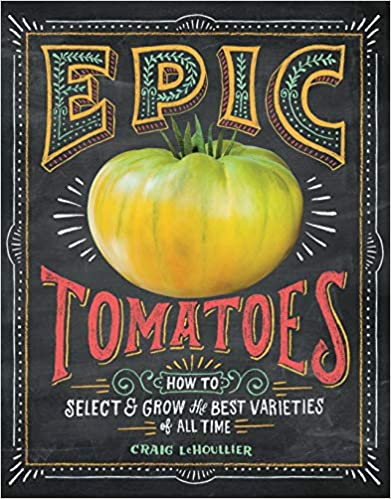 or damage from various fungi. Throughout the growing season, I kept consulting Craig LeHoullier's Epic Tomatoes.
I tried growing Cherokee Purple heirloom, but it died from tomato wilt, which LeHoullier reassures me that "as a rule tomato diseases are stubborn and often fatal and attempts at treatments for the vast majority have been met with little or no success." See it's not my fault. Fortunately, my Better Boy tomatoes (a hybrid) were more resilient.
Oriental eggplants are more tender and tastier and do not require the soaking to remove the bitterness that is common with large eggplants. I followed some of the premises set down by Jessica Walliser in her book Plant Partners: Science-Based Companion Planting Strategies for the Vegetable Garden where I planted radishes as a "sacrificial plants" to attract flea beetles away  from the young eggplants. I did something similar by planting marigolds next to the tomato plants. I was also cognizant of keeping my eggplants and tomatoes separated because these members of the nightshade family are not compatible.
The best part of my good fortune was that my partner Denise found a great recipe for eggplant and tomato casserole. She is great cook and cookbook connoisseur. I am only the sous chef and dish washer, but I can attest that the fresh taste of that casserole was something you'd expect at a good Italian restaurant.
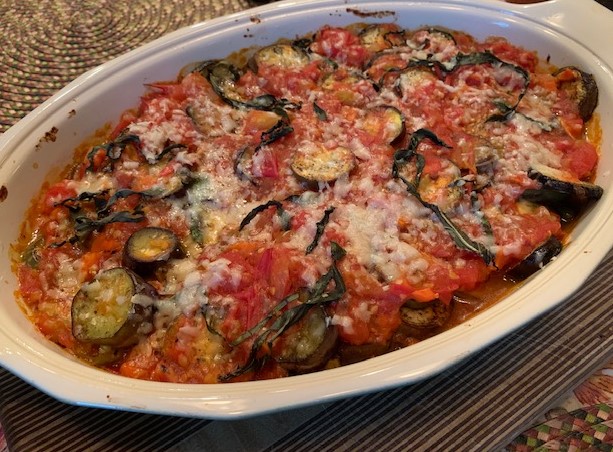
These books and more will be available at our next popup bookstall at the Freedom Farmer's Market at the Carter Center scheduled for Saturday morning, July 30th or they are currenty available at our Gardening How-To online store.
—– —– KEYWORDS: Eggplant tomato casserole, Jessica Walliser, Plant partner books, Tomato books, Craig LeHoullier, Epic Tomatoes. —– TITLE: Soil Improvement DATE: 06/13/2022 08:32:02 AM —–

Last summer, inspired by Amy Stewart’s book The Earth Moved: On the Remarkable Achievements of Earthworms (a Destination: Books bestseller reviewed here on my companion blog), I replaced my old worm tub with a four-story worm tower, a Father’s Day gift from my daughter Bonnie. The tower provides a steady supply of worm castings for my patio planter boxes and a generous scoop or two when I plant any veggies or herbs.
This was only the beginning. Earlier this year I participated in the Scott Community Garden's project that replaced our crumbling worm bins with some vermin proof, industrial-sized bins. Fortunately, one of the gardeners at Scott was an expert woodworker and along with a few strong backs we put something together over a period of a few months. There was even a little ceremony in Decatur with a photo opportunity to celebrate.
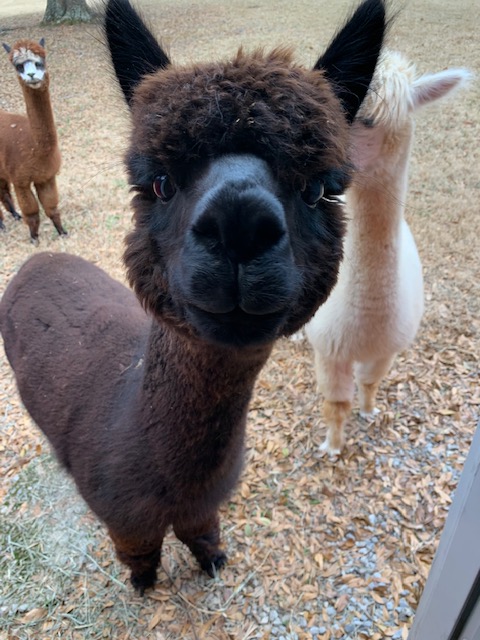 My garden is looking very good so far this year. Not only did I use my castings, and some composted soil from the Food Well Alliance (they provided the bin grant too) but even mixed some alpaca manure into my soil before planting. Daughter Bonnie who raises alpacas in rural Alabama “donated” a fresh, 5-gallon bucketful of alpaca bounty for my garden.
Most of our basic how-to gardening books provide simple guidance on how to get started improving your soil. We even have a few books like The Living Soil Handbook for those who want to take it to the next level. I usually don’t display books like this during our popup (our next one is at the Freedom Farmer’s Market at the Carter Center on Saturday morning June 25th,) but if you get me talking about soil, I will pull them out.
And if there is any doubt about the importance of healthy soil, check out Trevor Noah's short interview with Sadhguru on The Daily Show.
—– KEYWORDS: Sadhguru, Trevor Noah, Amy Stewart, The Earth Moved, The Living Soild Handbook, composting bins. —– TITLE: Fresh Offerings DATE: 05/25/2022 03:00:31 PM —–
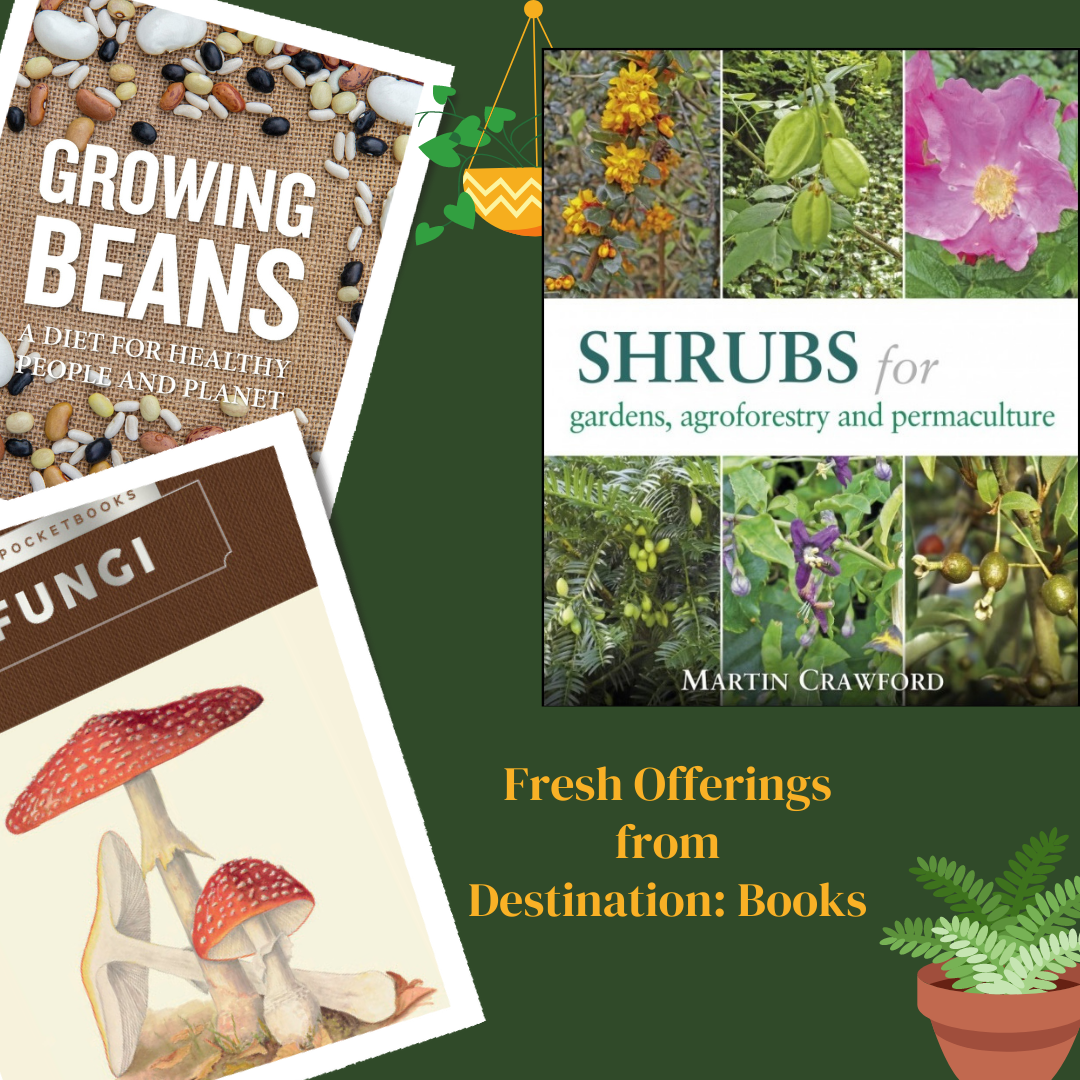
Here are some of the fresh new titles Destination: Books will be bringing to the Freedom Farmer's Market at the Carter Center on Saturday morning, May 28th.
You can appreciate how exotic fungi can be by thumbing through the 40 color illustrations in the book Fungi from the Royal Botanical Garden’s Fungarium. Fungi features the work of Elsie Wakefield (1886 -1972), a pioneer female scientist and artist who was the President of the British Mycological Society. (Did you know that children’s author Beatrix Potter was also a mycologist?)
You don’t know beans until you’ve read Susan Young’s Growing Beans: A Diet for Healthy People and Planet a slim reference book that covers the basics: bean types, growing beans, soil preparation, cooking tips, proper seed storage and a guide to beans around the globe with lots of color photographs. (I was so inspired I ran out and planted half a dozen Carson Bush Beans.)
Consider the shrub when planning a more environmentally friendly garden. Martin Crawford’s Shrubs for Gardens, Agroforestry and Permaculture is a complete reference book to identifying the qualities of useful shrubs ranging from common fruit bushes to those that have medicinal parts. According to Crawford, you cannot underestimate the ability of shrubs to fight climate change. The book covers over 60 varieties of shrubs and it identifies which plants grow well in the Southeastern parts of North America. (I am thinking blueberries bushes.)
For a more complete list of Destination: Books's pop-up inventory, visit here.
—– KEYWORDS: Growing Beans, Fungi, Shrubs for Gardens, Susan Young, Elsie Wakefield, Martin Crawford, Freedom Farmer’s Market —– TITLE: Electrify DATE: 05/05/2022 07:52:10 AM —–
Electrify: An Optimists Playbook for a Clean Energy Future (MIT Press, 2021) by Saul Griffith is a briskly paced book advocating that the best way to slow climate change is to shift the electric grid away from fossil fuels to renewable energy sources such as wind and solar. Included in this strategy is connecting our day-to-day necessities (especially electric cars) into that grid.
Griffith writes that the transmission lines that move the electricity generated by wind and solar energy to the population centers needs to be upgraded. What makes Griffith's argument compelling is how he uses data to solidify the points he is trying to make. In the appendix, he provides succinct answers to address the main concerns that people will have.
Coincidently, there is one question about utilities that caught my attention:
Georgians for Renewable Energy
Griffith's sentence "If you really want to make a difference, get yourself elected to the board of your state's utility commission and steer it in the right direction" really resonates because Georgians now have an opportunity to do something meaningful.
The Georgia Public Service Commissioners (PSC) is a committee of five members that make recommendations on Georgia Energy Policy. On May 25, 2022, the PSC is holding hearings on the Integrated Resource Plan (IRP) which is mapping out Georgia's energy future.
One important way you advocate for clean energy renewables is to comment on the PSC public comments page, but the form has to be filled out properly. Fortunately, a group Decatur Cares About Climate has made that easier by providing step by step instructions HERE.
If enough people comment, these commissioners will take notice because they are probably not used to being flooded by citizens input.
Additional References
A lengthy radio interview with Saul Griffith from October 29, 2021 on the NPR show Climate One.
The NPR show 1A aired a show on the topic, "Our Climate Is Heating Up and We Know How to Stop It, But Will We?." Members of the panel reinforce Griffith's arguments that the technology is now available for significantly cleaner energy, but the two main obstacles are the transmission line issue and the political will to make it happen.
And finally, you should read Electrify. Order a copy here from Destination: Books.
—– KEYWORDS: Electrify, Saul Griffith, Decatur Cares About Climate, Georgia Public Service Commissioners, PSC, Climate One, IRP —– TITLE: Georgians Campaigning for Clean Energy DATE: 05/03/2022 08:35:51 AM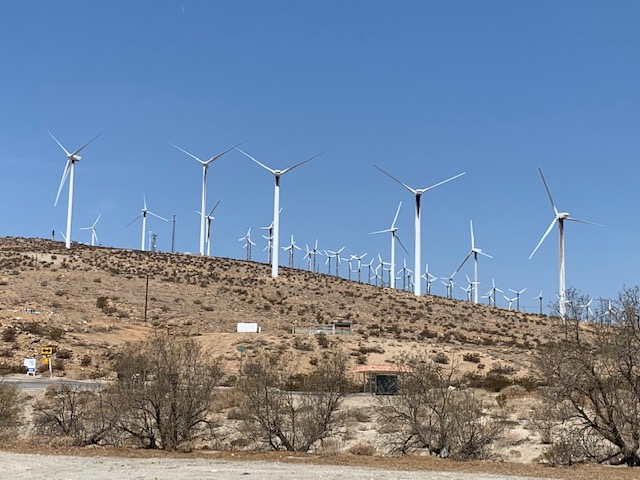 The Georgia Public Service Commissioners (PSC) is a committee of five members that make recommendations on Georgia Energy Policy. On May 25, 2022, the PSC is holding hearings on the Integrated Resource Plan (IRP) which is mapping out Georgia’s energy future.
One important way you advocate for clean energy renewables (as proposed in Saul Griffith’s recent book Electrify: An Optimists Playbook for Our Clean Energy Future) is to comment on the PSC public comments page, but the form has to be filled out properly. Fortunately, a group Decatur Cares About Climate has made that easier by providing step by step instructions HERE.
In the time it takes you to find your reusable shopping bags before going to the market, you can make a difference. Remember all great movements have begun at the grassroots level.
—– TITLE: Inventory Holding Pen DATE: 04/27/2022 08:16:56 AM —–
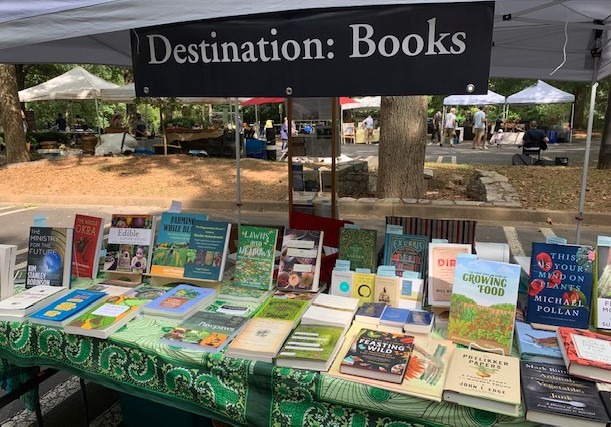
Below is just some of the books that we will have for sale at the Wylde Center Spring Plant Sale in the Oakhurst neighborhood of Decatur on Saturday 9-3, April 16, 2022.
Some new titles:
The Fruit Forager’s Companion by Sara Bir. A readable how-to guide to available in your neighborhood into something tasty.
Fermentation Journeys: Recipes, Techniques & Traditions from Around the World by Sandor Katz. The Anthony Bourdain of fermentation. Details on Bir and Katz can be found on the Destination: Books main page.
Epic Tomatoes: How to Elect & Grow the Best Variety of All Time by Greg LeHoullier. Grow the tomatoes you really want. 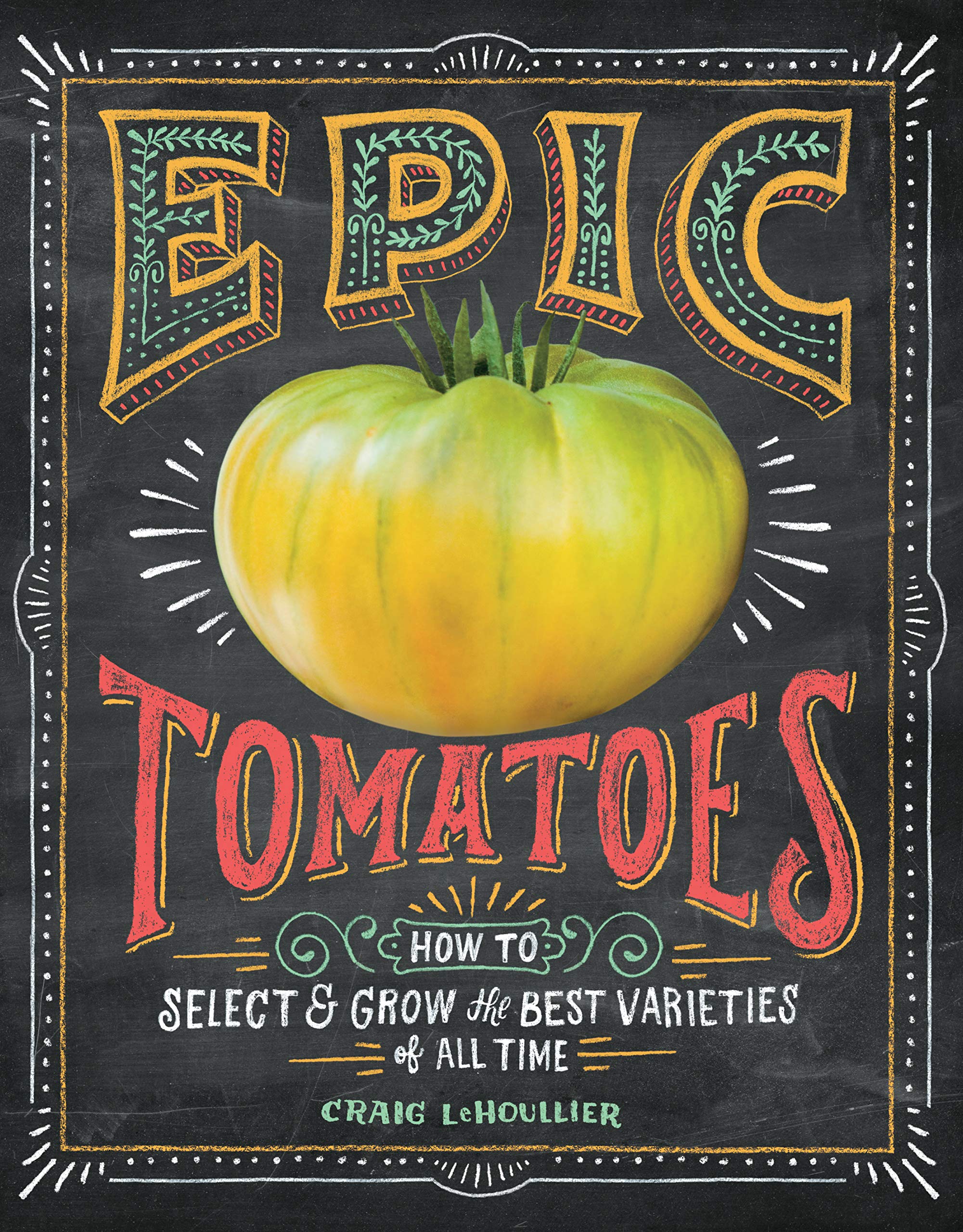
Some Standard Bearers:
The Living Soil Handbook: The No-Tillers Growing Guide to Ecological Market Gardening, Jesse Frost.
Bees: A Journey Back to Nature, Brigit Strawbridge Howard. Part of our Bees & Butterflies online curated list.
Tiny Victory Gardens, Acadia Tucker. Growing food without a yard. A simple practical guide covering a range of topics.
The Regenerative Grower’s Guide to Garden Amendments, Nigel Palmer. Using locally sourced materials to make mineral and biological extracts and ferments. For the serious.
Year-Round Indoor Salad Gardening, Peter Burke. How to Grow Nutrient-Dense, Soil-Sprouted Greens in Less Than 10 Days.
Lawns into Meadows, Owen Wormser. Growing a regenerative landscape. Why mow?
Edible Landscaping with a Permaculture Twist, Michael Judd. Have your yard and eat it too. We also have Judd’s book on how to grow pawpaws.
Fresh Food from Small Spaces, The Square Inch Gardener’s Guide to Year-Round Growing, Fermenting, and Spouting, R.J. Rupenthal. Great resource for apartment dwellers. See a comparison to other gardening books here.
In Search of Mycotopia, Doug Bierend. Citizen Science, Fungi Fanatics and the Untapped Potential of Mushrooms. A look into the culture of mushroom growers. More about this book and Tradd Cotter’s Organic Mushroom Farming and Mycroremediation and be found in the article “Mushroom Variety” on the Destination: Books blog.
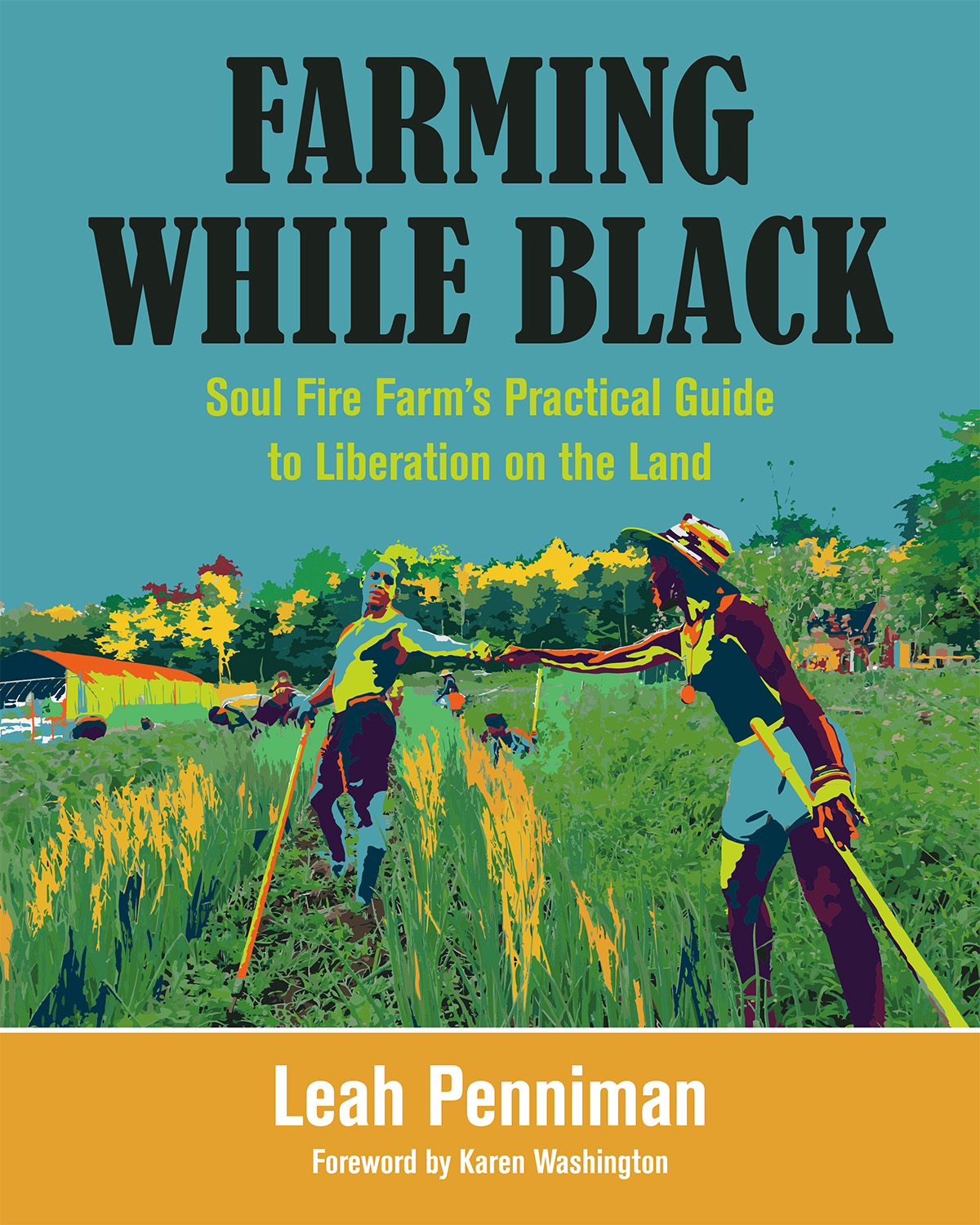 Farming While Black, Leah Penniman. Soul Fire farm’s practical guide to liberation on the land. A 2020 Best Book Read.
The Whole Okra, Chris Smith. A roving and rich collection of okra history, lore, recipes, advice, etc.
The Seed Underground, Janisse Ray. The importance of sees for our health and food security. A poet writing about seeds.
The Tao of Vegetable Gardening, Carol Deppe. Cultivating tomatoes, greens, peas, beans, joy and serenity. One of our standard How-To-Garden books, which can be found here.
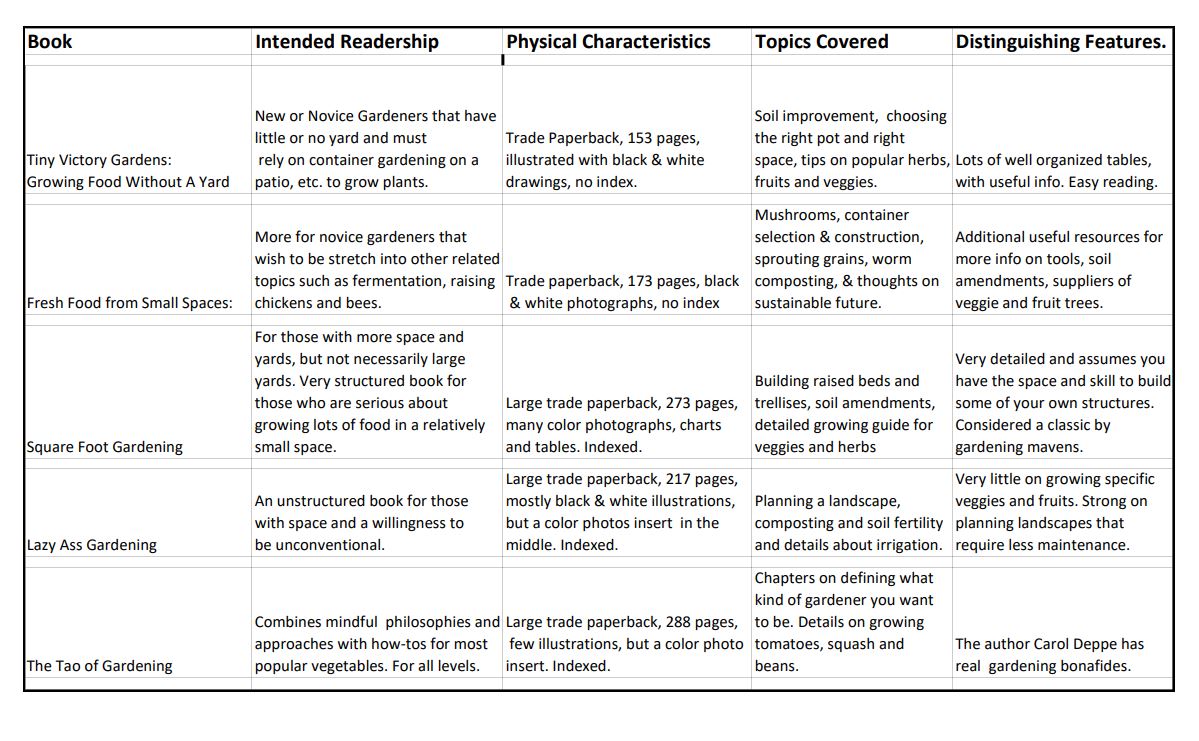
Books That Cope with Climate Catastrophe
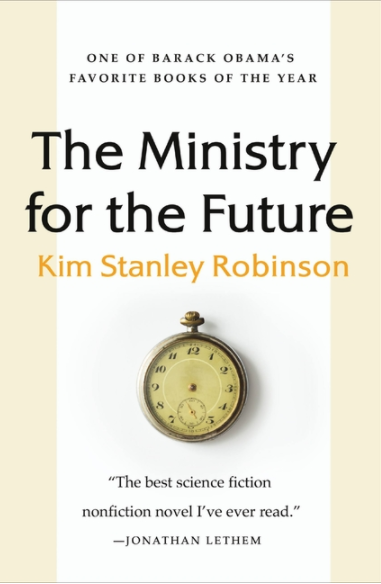 The Ministry for the Future by Kim Stanley Robinson. A rare combination of speculative fiction and a roadmap of what saving the planet could look like. See the review Speculating for the Future on our companion blog. Now in paperback.
The End of the End of the Earth: Essays by Jonathan Franzen. Read a review in the Destination: Books blog. Franzen may be a misanthrope, but he’s our misanthrope. This book has a new epilogue, where Franzen offers some useful insights in how to cope.
Electrify: An Optimist’s Playbook For Your Clean Energy Future by Saul Griffith. An optimistic, non technical book that proposes a new way of thinking about the climate problem.
Democracy May Not Exist, But We’ll Miss It When It’s Gone by Astra Taylor
Democracy May Not Exist, But We’ll Miss It When It’s Gone (2019) is a multidisciplinary and historical look at the where democracy stands as we the first quarter of the new century. Although you could say things are looking a little bleak for democracy, Taylor reminds us that “democracy begins where you live” including protecting the environment. She writes:
“Ultimately, more than 350 cities announced plans to break with national policy and honor the international accord. No longer advising people to go back to the land, environmentalists increasingly recognize the role cities must play if they hope to achieve sustainability Several earths would be required for everyone to live in a suburban home with a two-car garage, which means dense cities – compact, efficiently designed, and public service rich — will be crucial to livable low-carbon future. “(Taylor is citing the work of Daniel Adana Cohen.)
A bit of a challenging read, but it is well-researched and thought out. ($8 plus S & H) Rebecca Solnit calls it “a beautiful, revelatory book about ideas and how they matter in everyday life.”
The Kew Series
Gorgeous botanical illustrations on Herbs and Spices, Wildflowers, Japanese Flowers, Fruit, Festive Flora, Herbs and Spices coupled with detailed captions. Artistry made available from the Royal Botannical Gardens’ Kew Library and Archives. 
All We Can Save: Truth, Courage, and Solutions for the Climate Crisis (2021) edited by Ayana Elizabeth Johnson and Katherine K. Wilkinson features the work of 60 women writers and poets reflecting a wide range of climate related issues. Reading All We Can Save can become overwhelming but inspirational as well with stories of how citizens have organized to put up major legal resistance along with new solutions (e.g., regenerative ocean farming) that you may never have heard of. The passion of these writers and poets is infectious, but as we know. hope isn’t necessarily enough.
As the pastor’s wife in Heather McTear Toney essay, “Collards Are Just as Good as Kale” says:
“You can pray and believe all you want but without action ain’t nothing gonna happen. You’re just wasting the Lord’s sweet precious time.”
—– TITLE: Gardening Book Comparisons DATE: 04/07/2022 08:05:29 AM —–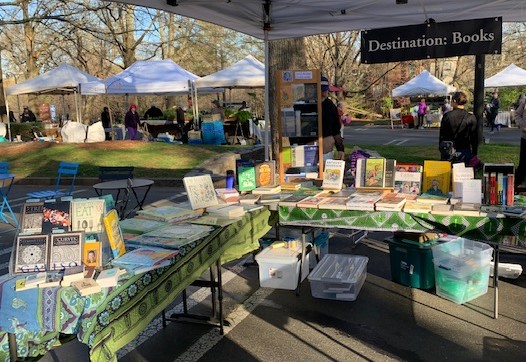
While working at our popup booth we are sometimes asked to explain the differences between our variety of gardening books. It's a good question and to better prepare ourselves we did some further review of the books we carry on the topic. These books range in price from $19.95 to $24.95, but each book is written for a specific readership and have noticeable differences in the topics covered and approach.
These books will be available at our next Destination: Books popup at the Wylde Center from 9 to 3 p.m. on Saturday, April 16 as part of their annual Spring Plant sale located in the Oakhurst neighborhood of Decatur (weather permitting). We will also have books on other garden topics, sustainability, and some children's books.
If you have trouble reading this on your cellphone, just go our website at destinationbooks.net where you can click on the image for a better view.
Electrify: An Optimists Playbook for a Clean Energy Future (MIT Press, 2021) by Saul Griffith is a briskly paced book primarily focusing on the argument that the best way to slow climate change is steer the electric grid away from fossil fuels to renewable energy sources such as wind and solar. And then coupling this strategy with hooking up as much possible our day-to-day necessities (i.e. electric cars, appliances, heating and air conditioning units, etc.) into that grid.
Another important aspect of this strategy is transporting the electricity generated by wind and solar energy to the population centers. Those transmission lines need to be built and upgraded. What makes Griffith’s argument compelling is how he uses data to solidify the points he is trying to make. In his appendix, he provides succinct answers to address the main questions that people will have.
Coincidently, there is one question about utilities that caught my attention:
Georgians for Renewable Energy
Griffith’s sentence “If you really want to make a difference, get yourself elected to the board to the of your state’s utility commission and steer it in the right direction” really strikes a chord because Georgians now have an opportunity to steer.
The Georgia Public Service Commissioners (PSC) is a committee of five members that make recommendations on Georgia Energy Policy. On May 25, 2022, the PSC is holding hearings on the Integrated Resource Plan (IRP) which is mapping out Georgia’s energy future.
One important way you advocate for clean energy renewables is to comment on the PSC public comments page, but the form has to be filled out properly. Fortunately, a group Decatur Cares About Climate has made that easier by providing step by step instructions HERE.
If you’re still not convinced check out these references.
References
A lengthy radio interview with Saul Griffith from October 29, 2021 on the NPR show Climate One.
The NPR show 1A aired a show on the topic, “Our Climate Is Heating Up and We Know How to Stop It, But Will We?.” Members of the panel reinforce Griffith’s arguments that the technology is now available for significantly cleaner energy, but two blocks are the transmission line issue and the political will to make it happen.
And finally, you should read Electrify. Order a copy here from Destination: Books.
— TITLE: Ammo for Eco-Poopers STATUS: Publish DATE: 02/03/2022 09:12:05 AM —–
As defined in the last posting an Eco-Pooper is a person that brings up the negative environmental ramifications of any product or activity being considered or discussed (like Jason in the ABC sitcom Abbott Elementary). If you are that person, or want to be that person, or you would prefer just being better informed, Tatiana Schlossberg’s Inconspicuous Consumption: The Environmental Impact You Don’t Know You Have merits some of your attention. (An updated paperback version is available in March at the Destination: Books online store via Bookshop.org.)
Schlossberg, the climate beat reporter for The New York Times has compiled a comprehensive list of what we buy, the way we buy it and how we live impacts the environment. She connects the dots from all over — Mongolia, Columbia, and Iowa to our front porch.
 She divides the topic into sections on Technology and the Internet, Food, Fashion, and Fuel and then parses them into shorter chapters. For example, Fashion is divided into “Thirsty for Denim”, “Athleisure Forever!”, “Fast Fashion, but Going Nowhere”, “It’s Not Wood, It’s Rayon” and “The Yarn That Makes the Desert.” In the latter piece Schlossberg shows how the consumer lust for inexpensive cashmere had caused climate chaos in Mongolia that has resulted in the expansion of the Gobi Desert and rising ozone levels in California.
Similarly, in “The Great Big Cargo Route in the Sky” Schlossberg uses roses grown in the South American country of Columbia to illustrate the impact of air freight on the environment. She writes:
“In 2017, 4 billion flowers (roses and others) weighing 200,000 tons total (about one-tenth of pound per flower) were flown from Columbia to the United States… Carrying all of those flowers (and just the flowers, not including their packaging) used 114 million liters of fuel and released 360,000 metric tons of carbon dioxide, according to an estimate from the International Council on Clean Transportation.”
Two takeaways from this excerpt: 1.) Schlossberg includes her statistics and references throughout the book (mostly in the footnotes) and 2.) If you don’t want to buy your sweetheart roses this Valentine’s Day you have a readymade excuse (even though they have probably have already landed stateside). 
And roses are nothing compared to coal ash, the highly toxic by-product of burning coal in power plants that is primarily stored in water near lakes and streams, until it is not. (The disaster at the Kingston, Tennessee Fossil Plant in 2008).
And then there is most unfavorite revelation in the “The Greediest Crop” piece which is about environmental problems surrounding corn. (I grew up in the town known as the Buckle on the Corn Belt and I love corn-on-the-cob). Too much corn is being grown partially for use as the gasoline supplement ethanol and for the feeding of livestock. Moreover, how the corn is grown exacerbates the problem. Besides the fossil fuel burned to grow the corn/ethanol, corn is being grown as a monoculture crop requiring larger amounts for fertilizer and it is more susceptible to disease and insects (more pesticides needed). She explains how the endless acres of corn creates droughts and floods as well. News reports of violent flooding with thunderstorms that destroy crops and livelihoods in the Midwest are serving as constant reminders.
If there is a bright spot in Schlossberg’s book is that it does not have an overly bitter or condemning tone and she has lighter moments to keep it in perspective. She quips, “My love for disappointing facts as perhaps you have come learn is endless.”
Inconspicuous Consumption is simply a one stop shop, summarizing the role each consumer plays in harming and perhaps changing some habits to save the planet.
https://bookshop.org/widgets.js —– KEYWORDS: Inconspicuous Consumption, Tatiana Schlossberg, coal ash. Destination: Books —– ——– TITLE: Searching for Hope DATE: 01/13/2022 08:25:47 AM —–
 Just because we are in the mid-winter of dormancy with our pop-up tent into storage, it doesn’t mean that that Destination: Books isn’t preparing for warmer days ahead sans Omicron. During this time, we are bringing in new books to evaluate, which has an optimistic vibe like scouring seed catalogs (like this one from High Mowing Organic Seeds). Thumbing through pictures of tomatoes, peas, and cucumbers is like browsing through book covers— an activity full of color and promise.
One such book is All We Can Save: Truth, Courage, and Solutions for the Climate Crisis (2021) edited by Ayana Elizabeth Johnson and Katherine K. Wilkinson. A customer at our December 4 popup at the Carter Center Freedom Farmer’s Market recommended it. Published last year, All We Can Save features the work of 60 women writers and poets reflecting a wide range of climate related issues.
Some of essays and arguments will sound familiar but still bear repeating. What sets All We Can Save apart are essays such as:
- “Wakanda Doesn’t Have Suburbs.” Kenda Pierre-Lewis uses the blockbuster movie Black Panther to provide a vision what a metropolis not surrounded by environmentally unfriendly suburban sprawl would look like.
- “Heaven or High Water.” Sarah Miller poses as potential buyer of a luxury condo in Miami Beach so she can ask real estate agents about the rising sea level that will flood the city. One agent reassures her, “The scientists, economists, and environmentalists that are saying this stuff; they don’t realize what a wealthy area this is.” The skeptical Miller comments on the illogic, “There were just too many millionaires and billionaires here for disaster on a great scale to be allowed to take place.”
- “Under the Weather.” Ash Sanders deep dives into the language of global warming. My favorite new word is “eco-pooper,” which is a person who brings a depressing environmental thing every time you talk.
- "The Adaptive Mind." Susanne Moser writes about climate advocacy burnout and what one can do to take care of oneself. Eco-poopers, take note.
Reading All We Can Save can become overwhelming but inspirational as well with stories of how citizens have organized to put up major legal resistance along with new solutions (e.g., regenerative ocean farming) that you may never have heard of. The passion of these writers and poets is infectious, but as we know. hope isn’t necessarily enough.
As the pastor’s wife in Heather McTear Toney essay, “Collards Are Just as Good as Kale” says:
“You can pray and believe all you want but without action ain’t nothing gonna happen. You’re just wasting the Lord’s sweet precious time.”
Another for source for this eco-anthology is All We Can Save Project website.
—– EXCERPT: —– KEYWORDS: All We Can Save, Ayana Elizabeth Johnson, Katherine Wilkinson, Destination: Books. Popup bookstore Atlanta, high mowing organic seeds —– ——– TITLE: A Year End Review of Destination Favorites DATE: 11/18/2021 08:34:54 AM —–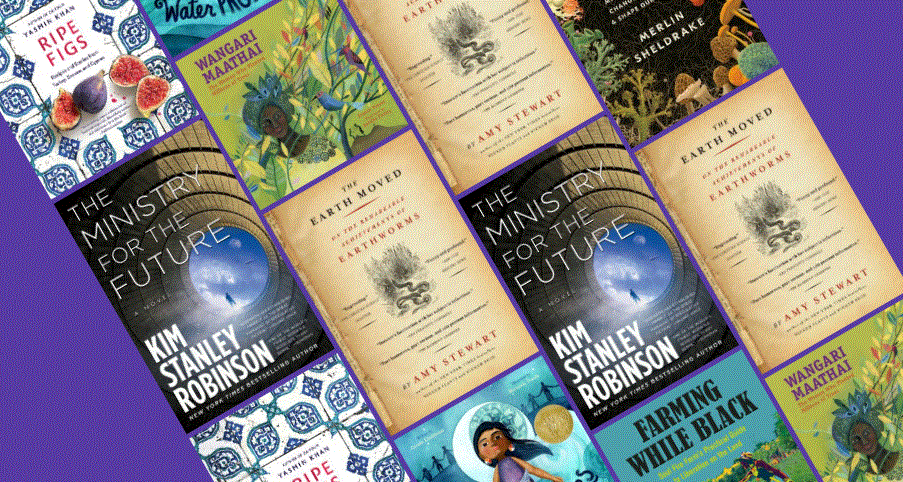
As we wrap up the first year of our book popup at the Carter Center Freedom Farmer’s Market on December 4, 2021, there have been several books that have stood out from the many that have filled our tables. They are not necessarily the best sellers or the ones with the most buzz, or the prettiest covers, but rather books that we have blogged about, and have enjoyed chatting about with market browsers. Books that are little stories on their own.
How Fungi Make Our Worlds
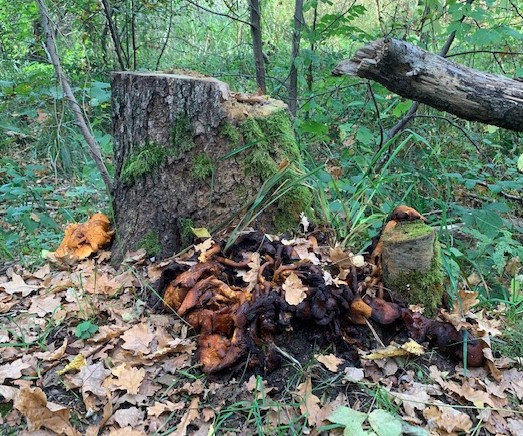 Merlin Sheldrake's Entangled Life: How Fungi Make Our Worlds, Change our Minds & Shape our Futures is one such book. In an interview in Sun Magazine, Sheldrake, who has a PhD in tropical ecology explains the invaluable role that fungi play in the plant world as 90 percent of plants depend on the symbiotic, mutually beneficial relationship between plant and fungi. This book further illuminates this amazing, often hidden, and important world. People often point at the book and rave about it. Others say you’ll never be the same after you read it.
The Earth Moved
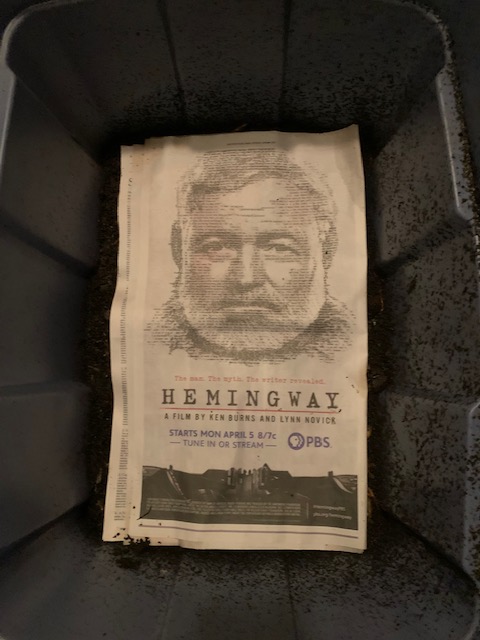 Amy Stewart’s The Earth Moved: On the Remarkable Achievements of Earthworms is an appreciation on how earthworms including the red wigglers or Eisenia fetida (as I now call them) work their magic on nematodes, coffee grounds, manure, bacteria, and fungi.
Folded in throughout the book are interviews with researchers and “field trips” to places such an experimental sewage treatment plant in Pacifica, California where earthworms are part of the process of turning human waste into usable biosolids for agriculture. Along the way, Stewart never loses her light-hearted anecdotal style that makes the book such a pleasure.
Stewart's book inspired me to upgrade my functional plastic tub (shown here) and to a multi-story worm tower.
Braiding Sweetgrass
Destination: Books works closely with Emory University’s Carlos Museum Bookshop in selecting books for the pop-ups. One of their favorite books is Braiding Sweetgrass: Indigenous Wisdom, Scientific Knowledge and the Teachings of Plants by Robin Wall Kimmerer. The school turned the book into a seminar that sold out immediately, but you can still read Kimmerer’s memoir that meshes her experiences as an Indigenous woman and a botanist.
Ministry for the Future
Kim Stanley Robinson’s novel has crossover appeal, because its plot directly addresses the problem of “Can somebody give us hope for averting the oncoming climate catastrophe?”
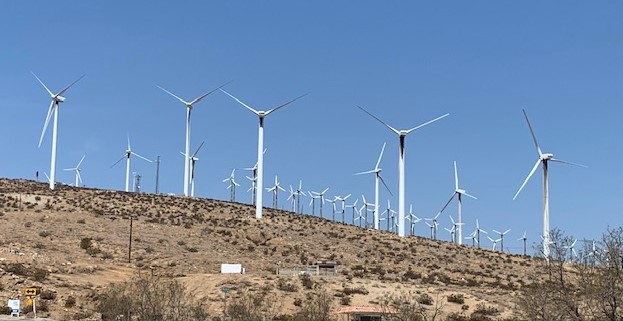 Set in the next decade, The Ministry for the Future (2020) begins brutal heat wave has killed ten million people in a matter of weeks, an international organization affiliated with the Paris accord known as the Ministry for the Future, is partially empowered to advocate for future generations. A team of international experts, led by the novel’s protagonist Mary Murphy begins to untie the Gordian knot. This includes addressing income inequality, eliminating fossil fuels, (which includes sequestration of carbon), developing technologies to slow the melting of the polar ice caps and getting the global financial powers-that-be on board.
Robinson intersperses small chapters in the main story explaining how these different technologies and strategies would need to work. Toward the end of the novel Robinson offers a glimpse of what that changed world would be like. There is plenty of work to be done to make it a livable planet in the years ahead.
Children’s Books
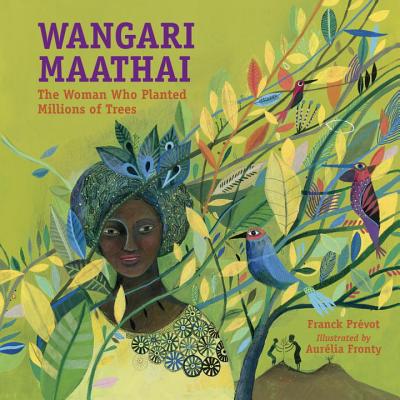 Speaking of the future, these two children’s books Wangari Maathai: The Woman Who Planted Millions of Trees and We Are the Water Protectors inspired by their messages and gorgeous illustrations. No one who likes children’s books can resist looking through this while at the booth.
Potlickers and Ripe Figs
 Books on food culture can range widely in taste and scope. Yasmin Khan’s Ripe Figs, which includes delicious recipes and stories from the Eastern Mediterranean while John T. Edge’s The Potlicker Papers: A Food History of the Modern South strikes closer to home. We have trouble keeping both these books in our “pop-up pantry”.
Farming While Black
Leah Penniman's Farming While Black Soul Fire Farm's Practical Guide to Liberation on the Land completes the list. This book is a rare mix of the history of black farming, community activism, and how to grow better veggies. This book also played a major part in this history of Destination: Books. Here is the progression.
- Read a July 2019 interview with her in Sun Magazine.
- Got a copy of Farming While Black at the public library. Not only did the book help me with my own community garden plot, but it put the publisher Chelsea Green on my radar.
- Approached Chelsea Green and Freedom Farmer’s Market about doing a gardening and sustainability themed book stall in March of 2020. Thumbs up.
- Year hiatus because of COVID-19.
- Wrapping up a year (2021) where we did eight book popups at the Freedom Farmer’s Market at the Carter Center in 2021.
We will have these books and more at our final popup of the year on December 4, 2021. (You can still order all these books online at our bookshop portal, but delivery times are a little iffy for holiday gift giving.) Thanks to all of you for your support rain or shine.
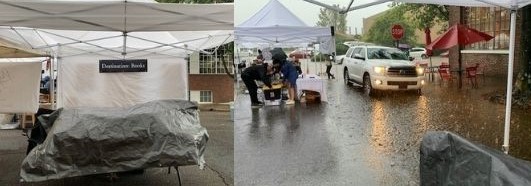
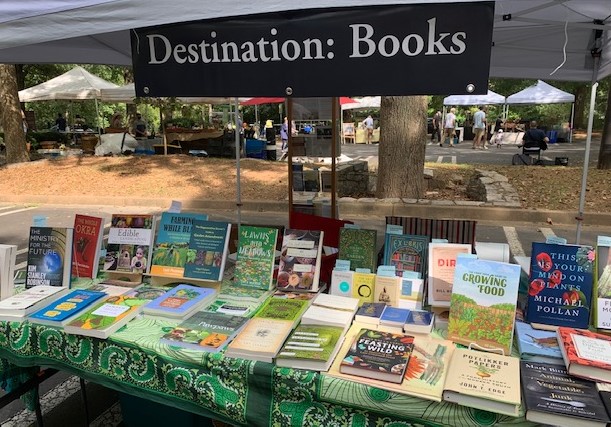
Though at first glance booksellers don’t seem to be a competitive lot, underneath their calm masked demeanor burns a desire to sell. What often makes it different is that sometimes the challenge is not quantitative in terms of sales, but qualitative. Naturally, Destination: Books stocks books that we think potential buyers are likely interested in, (e.g. books on okra and mushrooms), but sometimes we become a more adventuresome seller intentionally offering something that is more of an outlier or quirky. “It is an article of faith that such a book can be the lid to somebody's pot,” says one of our staffers.
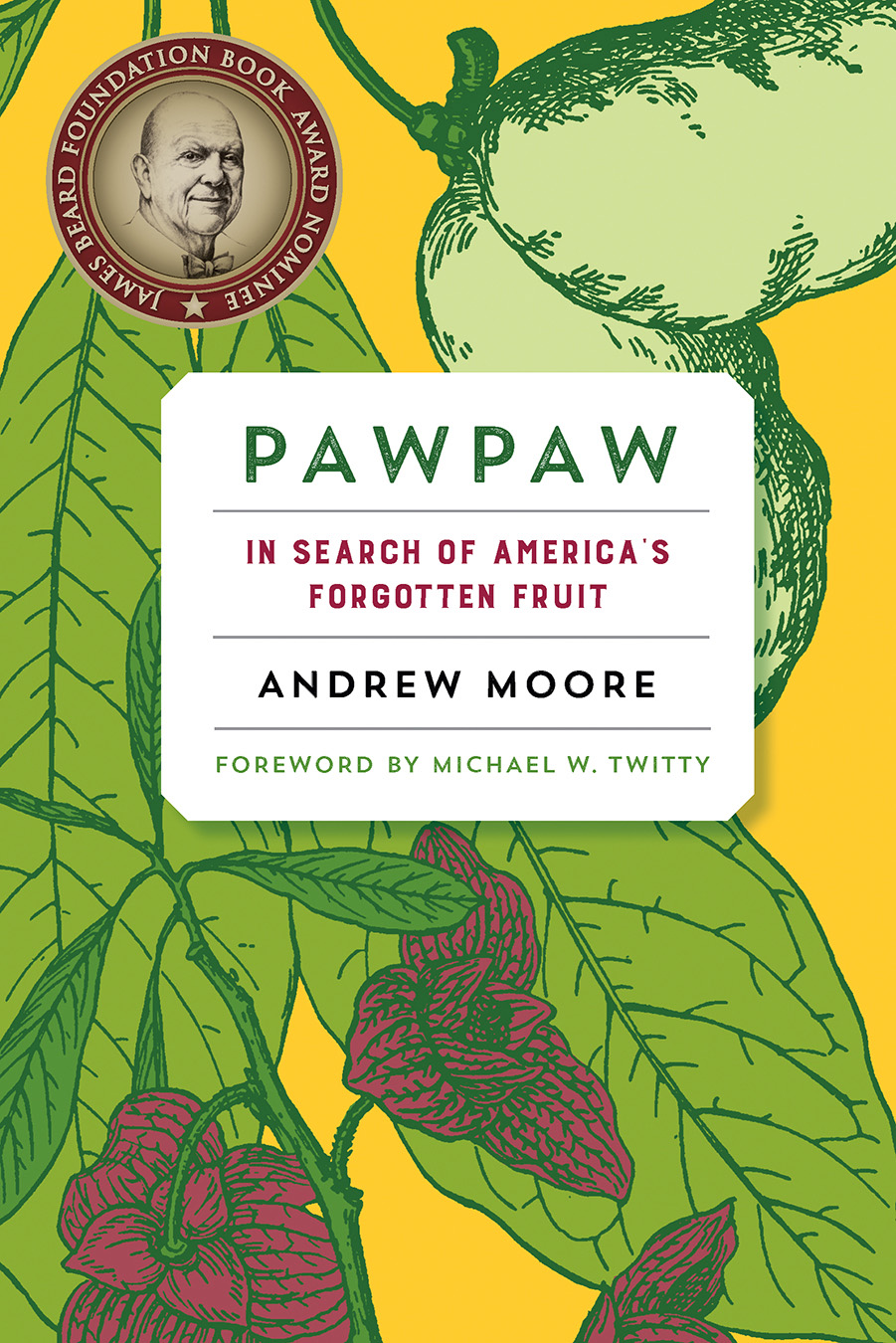 For example, throughout the summer we have carried in our Destination: Books popup booth Freedom Farmers Market at the Carter Center in Atlanta two books about the melodic pawpaw fruit. Though the Asimina triloba is more prevalent north of here (ranging from Arkansas to Virginia and northern Alabama to southern Michigan) its southern-most habitat does include Georgia. There are pawpaw trees, I am told, planted on grounds of the Carter Center.
One such offering is Pawpaw: In Search of America’s Forgotten Fruit by Andrew Moore. The title alone tells you that the pawpaw—though the largest edible fruit in North America—has long suffered an image problem. Some say it tastes like a cross between a mango and a banana. Others say, “a pawpaw is to a mango and as quince is to an apple.” Though his travels throughout the Southeast, Moore provides a detailed cultural history of the fruit going back centuries.
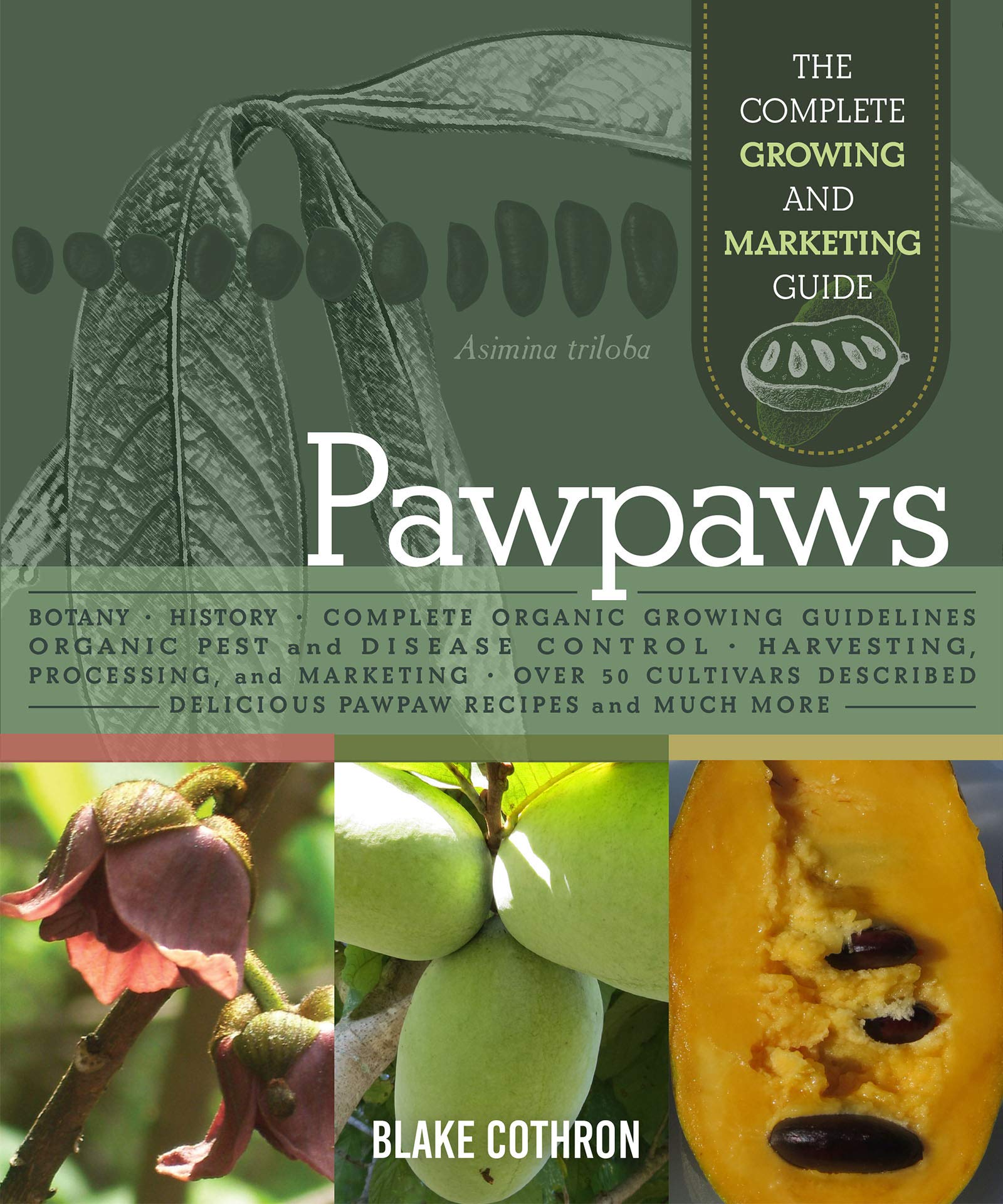 Another pawpaw-flavored book is Pawpaws: The Complete Growing and Marketing Guide by Blake Cothron, which like the Moore book gives some background about the fruit. What separates this book from the Moore book is that there are instructions on how to grow your own pawpaws either commercially or for personal consumption.
Other Possibilities
There are a couple other new “long shot” additions which have been and a source of discussion in pre-booth staff meetings. One is Jonathan Franzen’s book of essays, The End of the End of the Earth, which we wrote about last month here in the blog and the other is science fiction writer Kim Stanley Robinson’s hefty novel, The Ministry for the Future, which was written about recently in the short piece “Speculating on the Future,” recently posted on our companion blog.
Both authors have name recognition and a sizeable following but would not necessarily expect to see their books on the tables of a Farmer’s Market. However, both writers creatively tackle the question of what hope looks like in the face of cataclysmic climate change.
Will these books leave the display table at our next popup appearance on Saturday morning, August 28, 2021? Should we really be surprised if they do? After all our motto says: Destination: Books “for the adventurous.”
—– KEYWORDS: Pawpaws, Pawpaws: The Complete Growing and Marketing Guide, Blake Cothron, Pawpaw: In Search of America’s Forgotten Fruit, Jonathan Franzen, Kim Stanley Robinson, Ministry for the Future, The End of the End of the Earth TITLE: A Rare Combination DATE: 07/28/2021 10:01:11 AM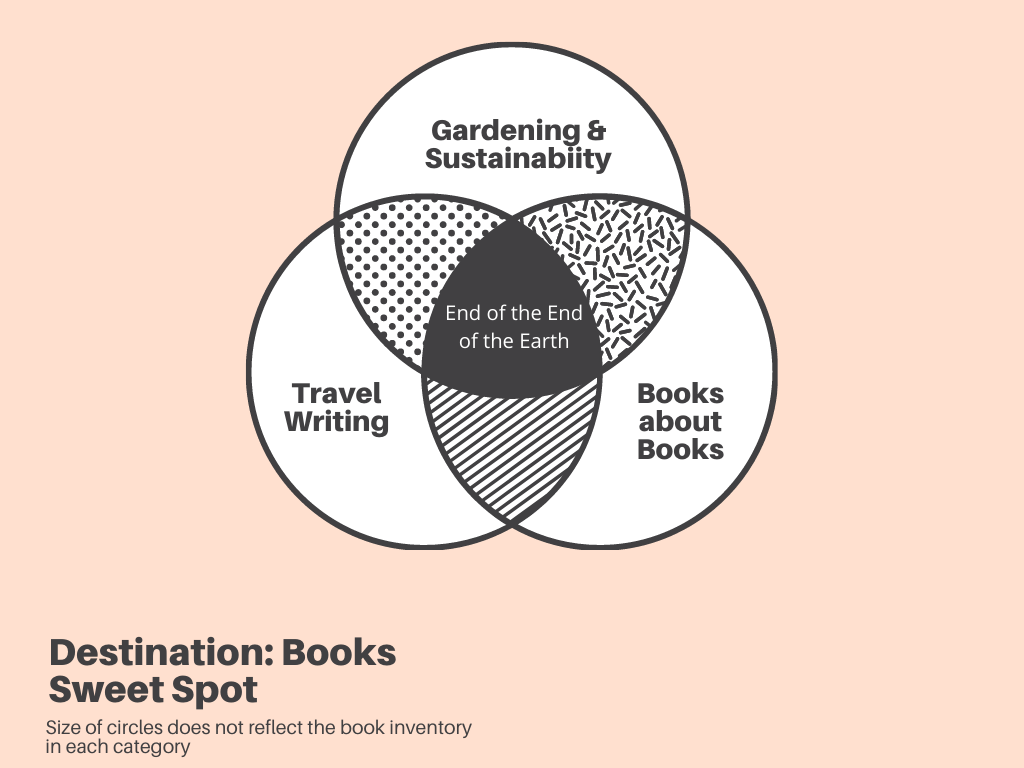
Jonathan Franzen’s book of essays, The End of the End of the Earth (2018) reflects the intersection of the type of books Destination: Books offers: gardening-sustainability, travel, and a touch of the literary.
Franzen is most well-known as the author of the Pulitzer Prize winning The Corrections, and somewhat as a pugilist with run-ins over the years with Oprah Winfrey and bestselling author Jodi Picoult. He was the keynote speaker at the 201o Decatur Book Festival with his less than memorable reading of his new novel Freedom. More about this in our companion blog The Book Shopper.
But in addition to being a novelist and a misanthrope, Franzen is also an essayist and an avid bird watcher, the latter which is one of the major themes of this collection.
“To my shame, I am in the world of birding call a lister. It’s not that I don’t like birds for their own sake. I go birding to their beauty and diversity, learn more about their behavior and the ecosystems they belong to, and take long attentive walks in new places. But I also keep way too many lists. I count not only the species I have seen worldwide, but the ones I have seen in every country and every U.S. state I have birded in. Also at various other sites, including my backyard, and in every calendar year since 2003. I can rationalize my compulsive counting as an extra little game I play within the context of my passion. But I really am compulsive. This makes me morally inferior to birders who bird exclusively for the joy of it.”
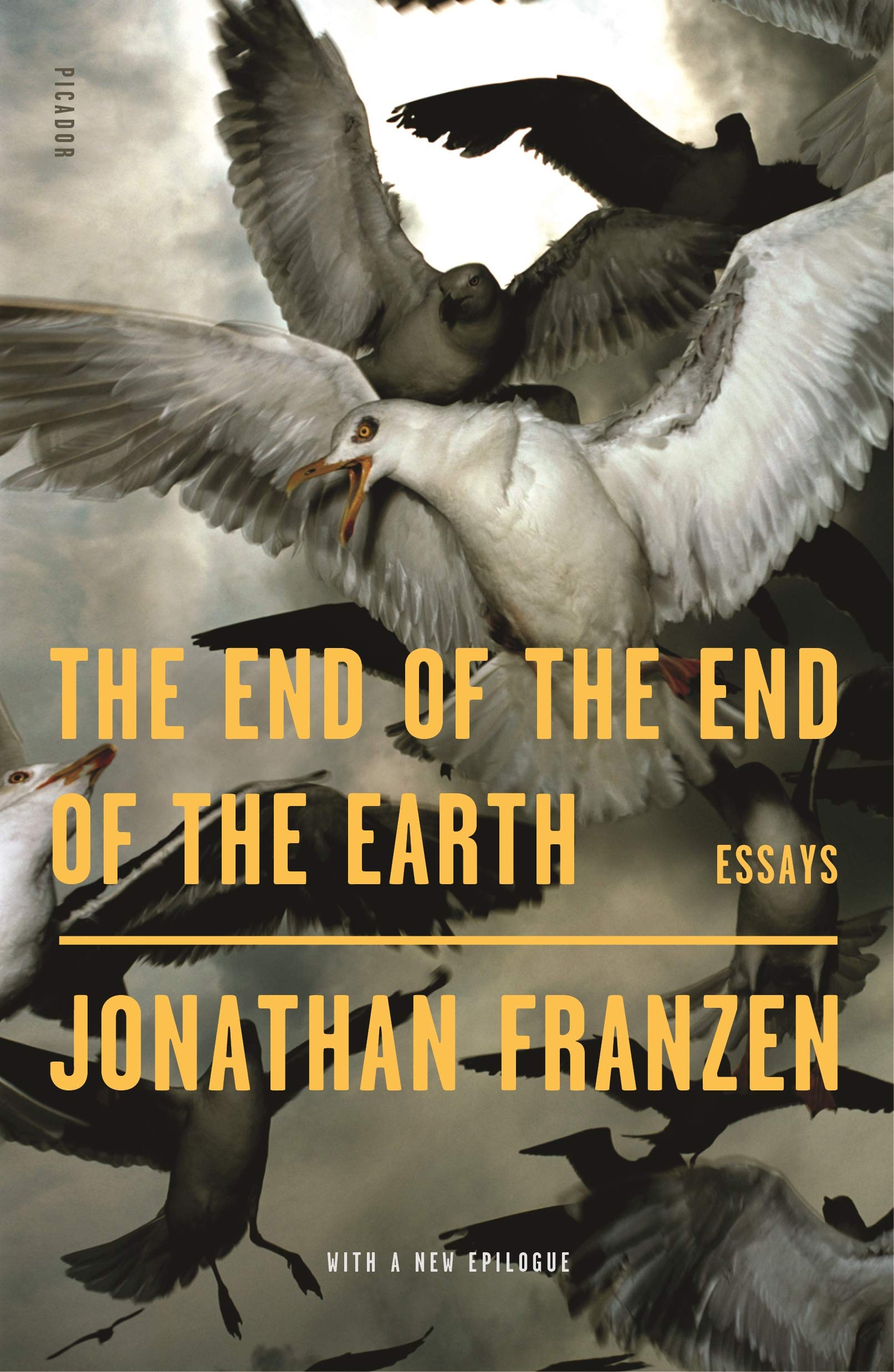 The quote above does a good job summing up the majority of these essays. Franzen— traveling around the world ( Ghana, Egypt, Jamaica, St. Lucia, islands off the coast of California, and Antarctica) — adding to his list of birds (African cuckoo-hawk, ringed plover, crested quail dove, black finch, Farrion murres, and the Emperor Penguin, —while commenting on the dire circumstances of shrinking habitats. He doesn’t blame everything on climate change (one criticism of book when it was first published was that he was a skeptic), but he can be witheringly critical of organizations and corporations. Fortunately, he reports on successful conservation stories as well.
As a misanthrope, Franzen does not spare himself while he investigates his own self-centeredness. In the book’s title essay while on a Lindblad cruise to Antarctica, it's Franzen, who first sees the elusive Emperor Penguin and alerts the staff naturalist, which allows others to see the reclusive “star” of the documentary March of the Penguins. At dinner that night the captain singles out Franzen for his efforts. The following day Franzen receives even more kudos. He writes:
“All day long passengers I hadn’t even met had stopped me in the hallway to thank me or cheer me for finding the penguin. I finally had an inkling of how it must feel to be a high school athlete and come to the school after scoring a season-saving touchdown. For forty years, in large social groups, I’d accustomed myself to feeling like the problem. To be a group’s game-winning hero, if only for a day was a complete, disorienting novelty. I wondered if, all my life, in my refusal to be a joiner, I’d missed out on some essential human thing.”
In the final two essays of the book (the last one was a response to early criticism that the hardback edition was too tolerant about climate change), Franzen addresses the question that lingers “How do we find meaning in our actions when the world seems to be coming to an end?” His answers are provocative, insightful, and not as dour as you might think. Pure Franzen.
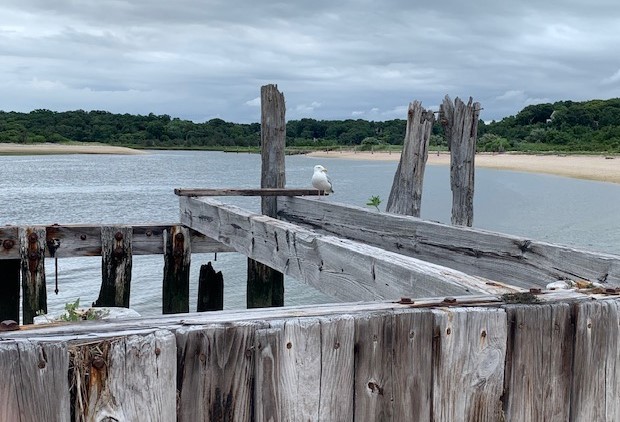
Note: Destination: Books' next pop-up book stall will be at the Carter Center's Freedom Farmer's Market on Saturday morning, July 31st.
—– KEYWORDS: Jonathan Franzen, The End of the End of the Earth. —– ——– TITLE: About Destination:Books DATE: 06/22/2021 05:04:10 PM —–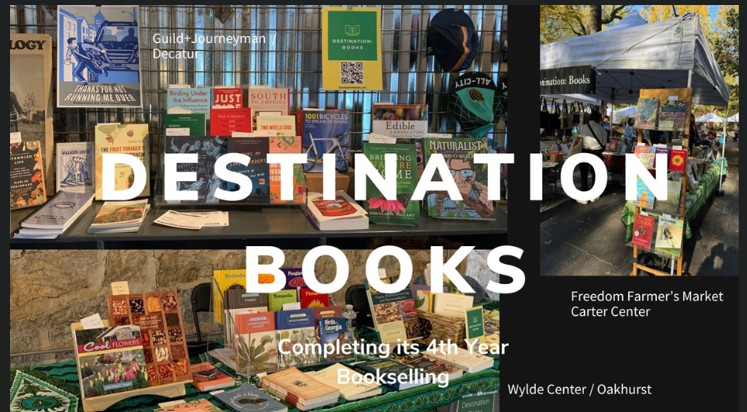
Destination: Books is an independent “pop-up” bookstore. Rather than being a brick-and-mortar store, we bring books to various venues. Our rotating inventory depends largely on the anticipated interests of venue attendees.
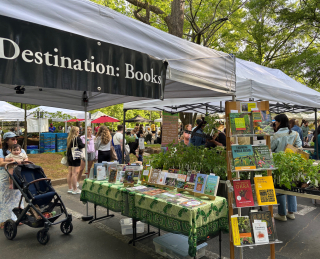 For example, since 2021 Destination: Books has been a regular attendee of the Freedom Farmer’s Market at the Carter Center in Atlanta featuring books on organic gardening & sustainability, food culture, travel, and book culture. We’ve also partnered with the Wylde Center, the Atlanta-based environmental education and outreach organization.
Our popups allow readers to conveniently examine books not usually found at conventional bookstores. We have built relationships with a host of various publishers to provide books that we are proud to sell. Also, we have a point-of-sale system that allows us to process credit card sales on site.
In Store
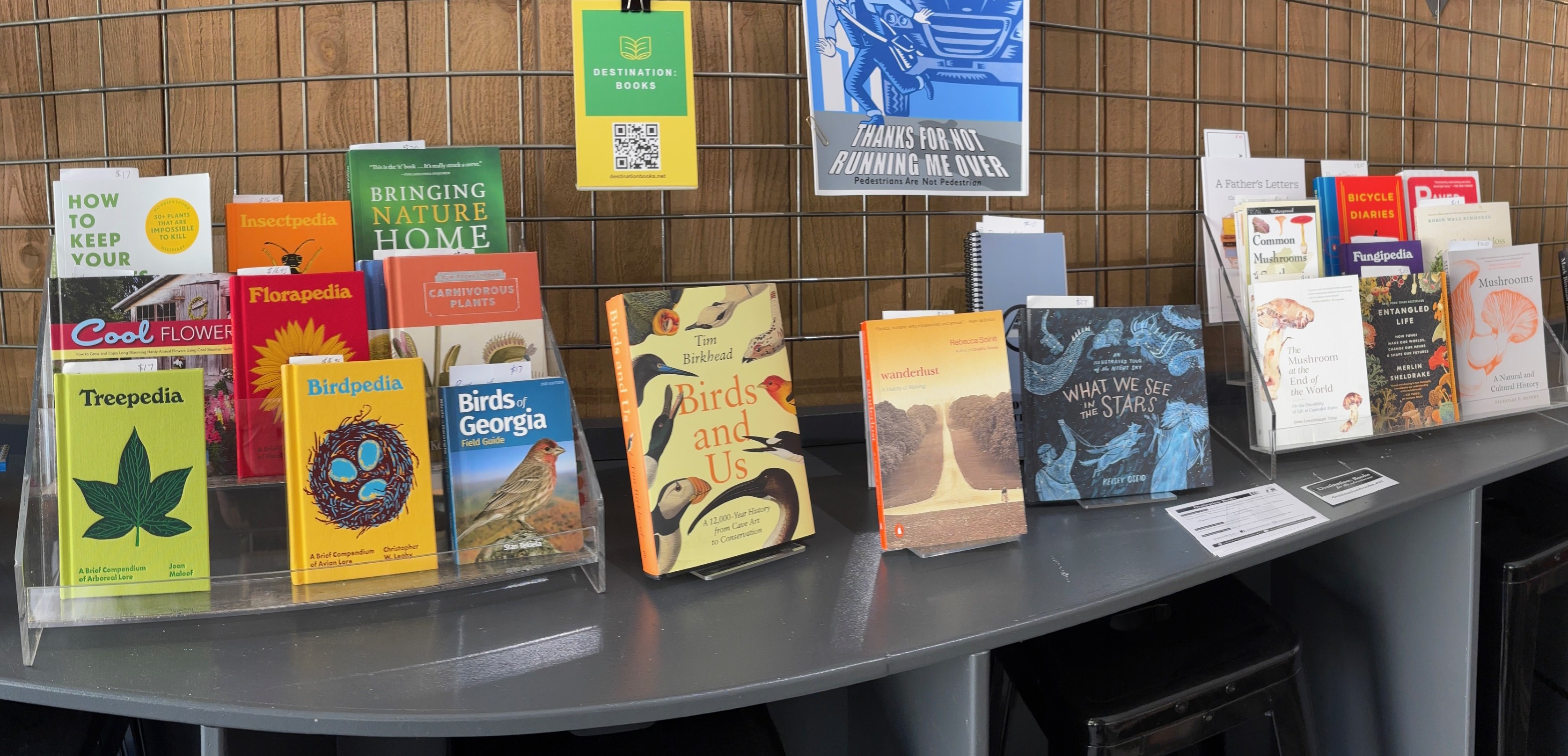
Although Destination: Books does not have a brick and mortar store it does have an outlet in other retail stores such as the Journeyman in downtown Decatur, Georgia. We can provide books to enhance a store’s scope. The Journeyman is bicycle shop and community space offering places to hang out and coffee.
Online Sales
Destination: Books also sells eclectic second-hand books through Alibris at destination.albrisstore.com. You can peruse our online catalog here.
Sales of new books are fulfilled though through Bookshop.org at https://bookshop.org/a/24518/9798218127978 bookshop.org/shop/destinationbooks. (Bookshop acts as kind of Amazon for independent bookstores with speedy fulfillment of most new books, with a percentage of sales going to indies like Destination: Books.)
A Brief History
The book shop’s proprietor-moderator is Murray Browne, who is the author of The Book Shopper: A Life in Review (2009) published by Paul Dry Books of Philadelphia. (Browne is the one to blame for the odd punctuation choice.) His first pop-up was in the fall of 2019 at the Decatur Book Festival. His email is murray.browne905 AT gmail.com.
Muted Horn Communications LLC is the business entity — licensed in the State of Georgia — that is the owner of Destination: Books. We are also a member of the American Bookseller Association and can order directly from Ingram, the nation’s largest book distributor.
Destination: Books is always looking for new venues and partners to work with. Contact Murray to discuss.
—– —– KEYWORDS: Bookshops Atlanta, Book shops Atlanta, bookstores Atlanta, Destination Books, Pop up book stores, independent book stores —– ——– TITLE: Destination: Books Housekeeping DATE: 05/19/2021 08:17:15 AM —–
 Our next pop-up book stall is scheduled for Saturday morning, May 29, 2021 at the Carter Center Freedom Farmer's Market. If you want a sense of what will be there check out the preliminary inventory list.
In other news Destination:Books is now a member of the American Booksellers Association and. an affiliate of the Bookshop.org project which has allows independents —even little pop-ups like us— to be competitive with Amazon.
Anytime you are looking for a new book and please consider the Destination:Books portal. Part of the money generated on the site back directly to us and some goes into a money pool for all independent book stores. Orders are fulfilled by Ingram book distributors and only take a few days to arrive at your door.
 For second-hand books or some of more eclectic Destination:Books offerings, (ones we don't haul around) the primary portal is The Destination:Books Alibris Store For a sample of the offerings check the Destination:Books Catalog Page. Orders are fulfilled from the Destination:Books mailroom/garage. Sometimes the portal can be closed for a day or two because the clerk (yours truly) is not available. Any extensive closings we will provide the details on the Catalog Page.
If you have any questions, you can always email me directly at murray.browne905 AT gmail.com.
—– EXTENDED BODY: —– EXCERPT: —– KEYWORDS: Destination Books, ABA, American Booksellers Association —– ——– AUTHOR: Murray Browne AUTHOR EMAIL: murray.browne905@gmail.com TITLE: Adventurous Inventory for the May 1st Popup at Farmer’s Market STATUS: Publish ALLOW COMMENTS: 1 CONVERT BREAKS: wysiwyg ALLOW PINGS: 0 BASENAME: adventurous-inventory-for-may-1st-at-farmers-market UNIQUE URL: https://thebookshopper.typepad.com/destination_books/2021/04/adventurous-inventory-for-may-1st-at-farmers-market.html DATE: 04/29/2021 09:18:25 AM —– BODY: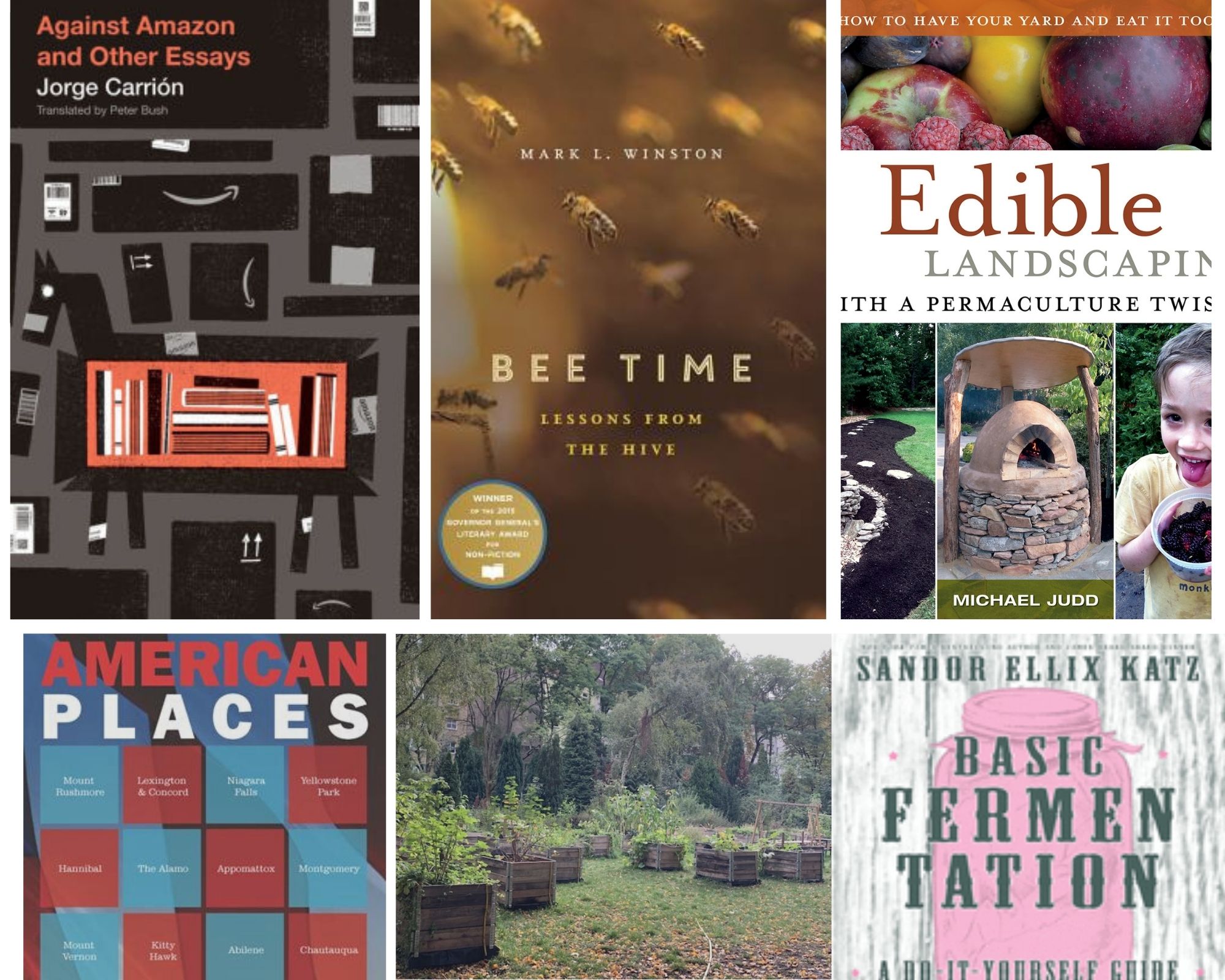
In keeping with our motto, "For the Adventurous" here's a list of some of the books we'll be bringing to the Carter Center's Freedom Farmer's Market on Saturday morning, May 1st. We specialize in gardening & sustainability, travel, and books about books.
This is a fine opportunity to exercise those flabby, well-rested, browsing muscles.
—– TITLE: Readings on Remediation DATE: 04/08/2021 04:25:10 PM —–
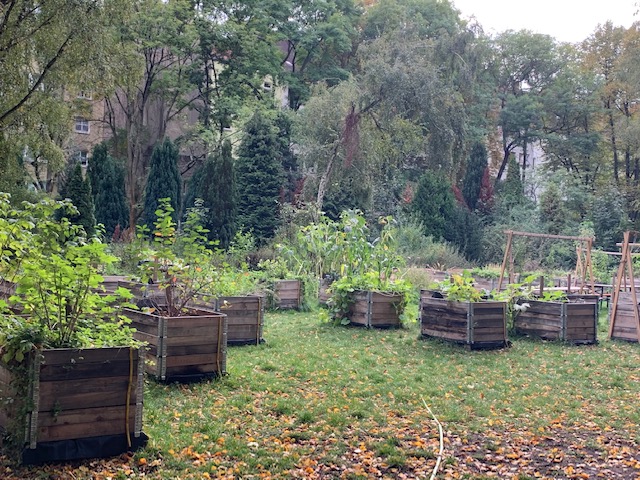
A couple of years ago when visiting Berlin where my older daughter lives, she told me about community garden known as Prinzessinnengarten or Princess Garden. In 2009, a community garden was started in the Kreuzberg district of Berlin, reclaimed from an industrial, wasteland area that had been unused and abused for half a century. To combat the problem of the barren soil coupled with the possibility that the city could reclaim the land at any time all the plants were grown in mobile containers. Not only has the city turned a brown space to green, but Prinzessinnengarten has become a center for community education about gardening and sustainability and a melting pot for Berlin's diverse population. This link has a short film (in English) that tells a more complete story.
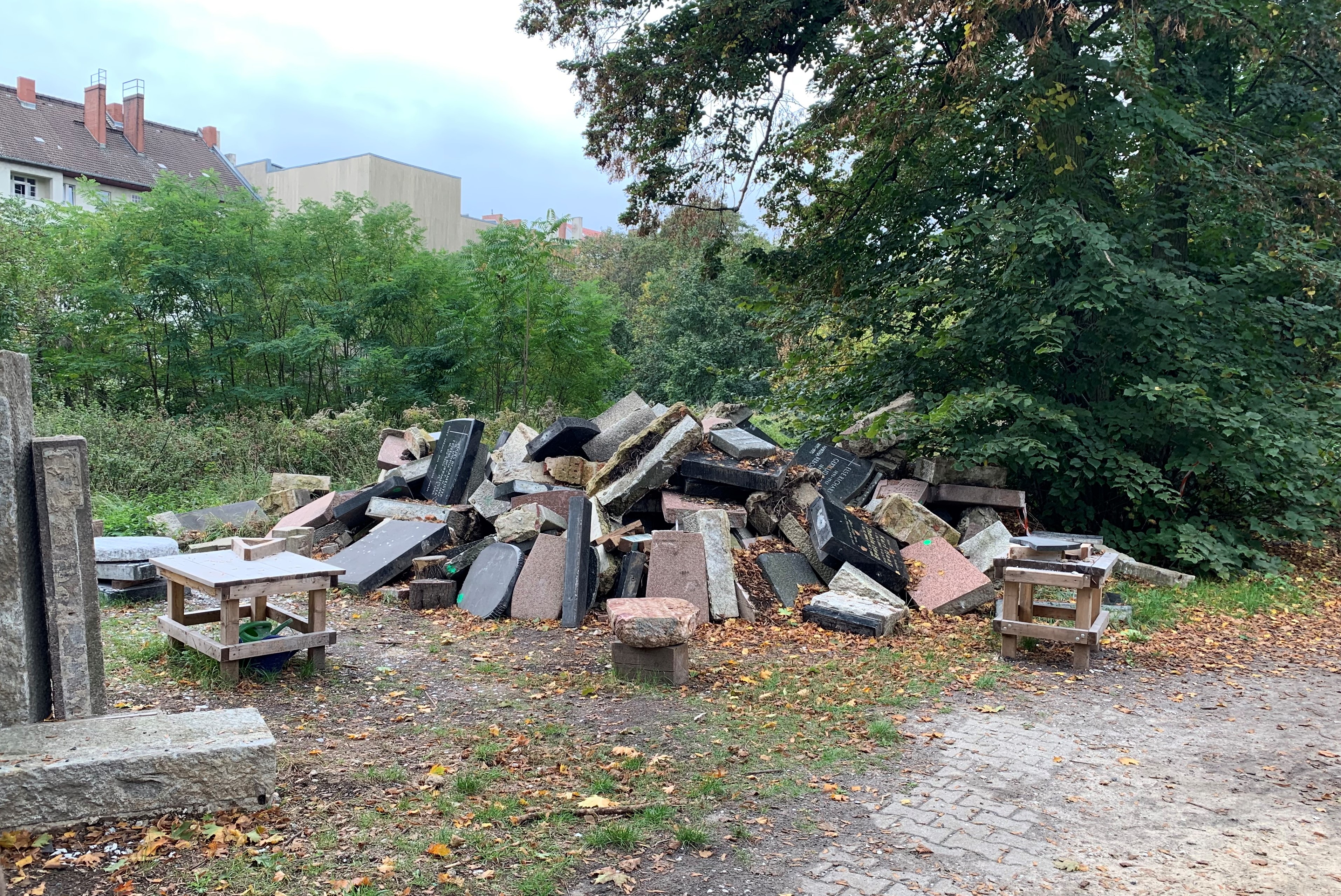 I was unable to visit the original Prinzessinnengarten while I was there, but I did get a tour of its sister site that has recently been opened in an old church graveyard in the Neukölln borough. Navigating complicated civil and religious rules, the non-profit company Nomadic Green, which spearheads these reclamation efforts pulled up gravestones (nothing fresh) and the site is being turned into another community garden site as well. Again mobility is part of the design of the space.
Inspired, I have begun to try to remediate an eroded, barren patch of rocky hillside that butts up to the development where I live. Fortunately being here at Destination: Books I have ready access to gardening and environmental books to consult.
- Leah Penniman devotes a whole chapter to "Restoring Degraded Land" in her book Farming While Black: Soul Fire Farm's Practical Guide to Liberation on the Land. Pulling in techniques from throughout the globe, she writes about how soil contaminated with lead can be restored (sunflowers can pull out lead) and details on how terracing can stop soil erosion.
 Other books can be useful too. In Lawns Into Meadows: Growing a Regenerative Landscape, Owen Wormers and illustrator Kristen Thompson dedicate an entire chapter to profile over 20 flowers and grasses that turn your ecological, havoc-wreaking lawn into an organic meadows. Black-eyed Susans and sunflowers appear to be likely candidates that might work on my project because they like sun and can handle poor soil. (I have a lot of that). Moreover, both flowers attract pollinators.
 - And for those who want to deep drive into soil regeneration Nigel Palmer's The Regenerative Grower's Guide to Garden Amendments provides detailed recipes for "greater soil biological activity and mineral availability, and increase pest and disease resistance yields, and nutrient density."
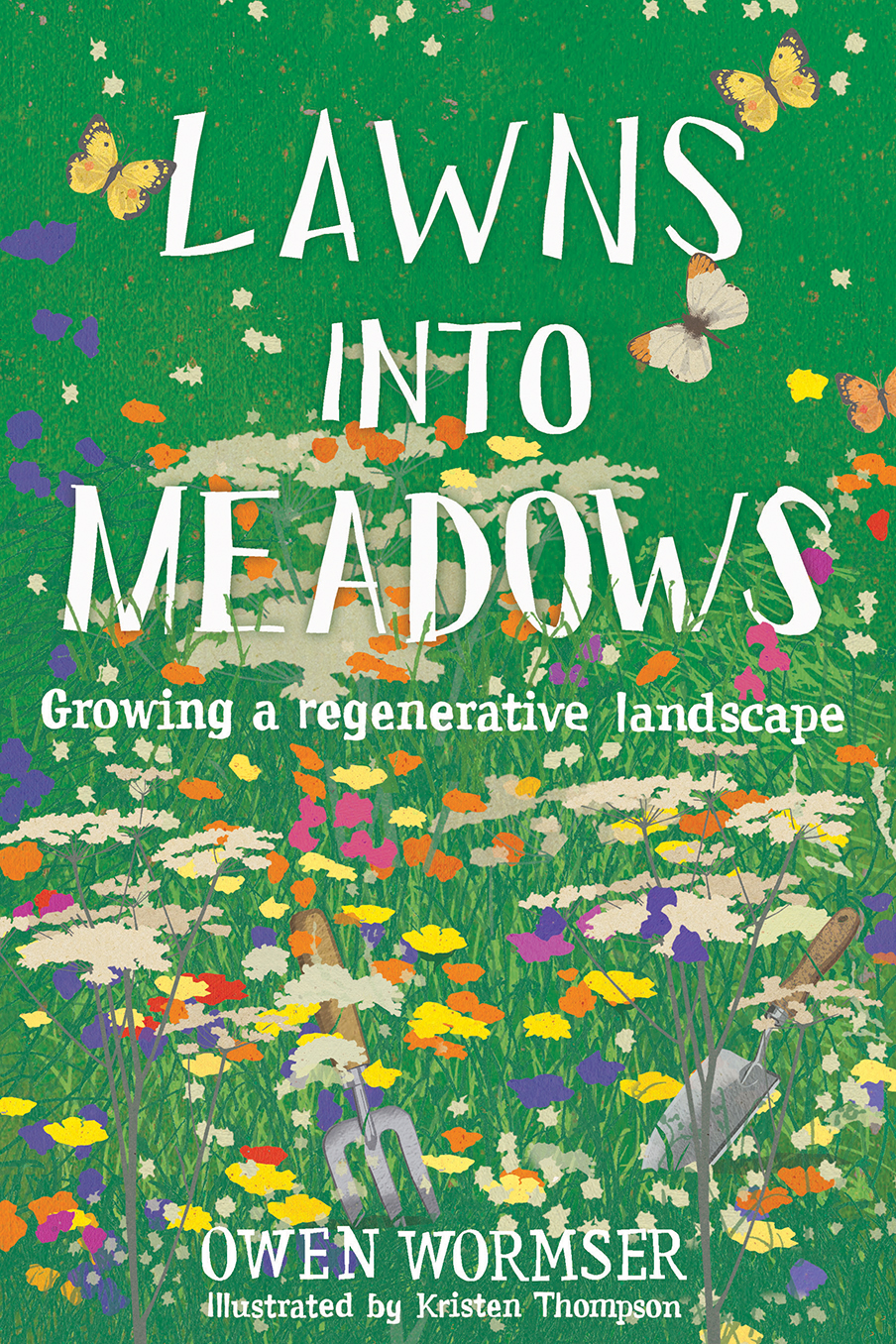
All three books will be available for browsing/scrutinizing when Destination: Books returns to the Freedom Farmer's Market at the Carter Center on Saturday morning, April 24, 2021. In the meantime, as you can see from the photo below, I have plenty of work to do. Because of the threat of heavy rain, our next FFM gig has been moved to May 1, 2021.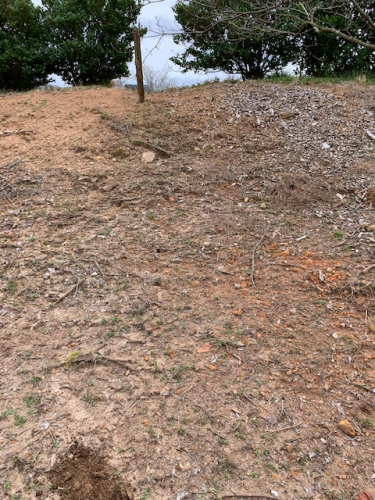
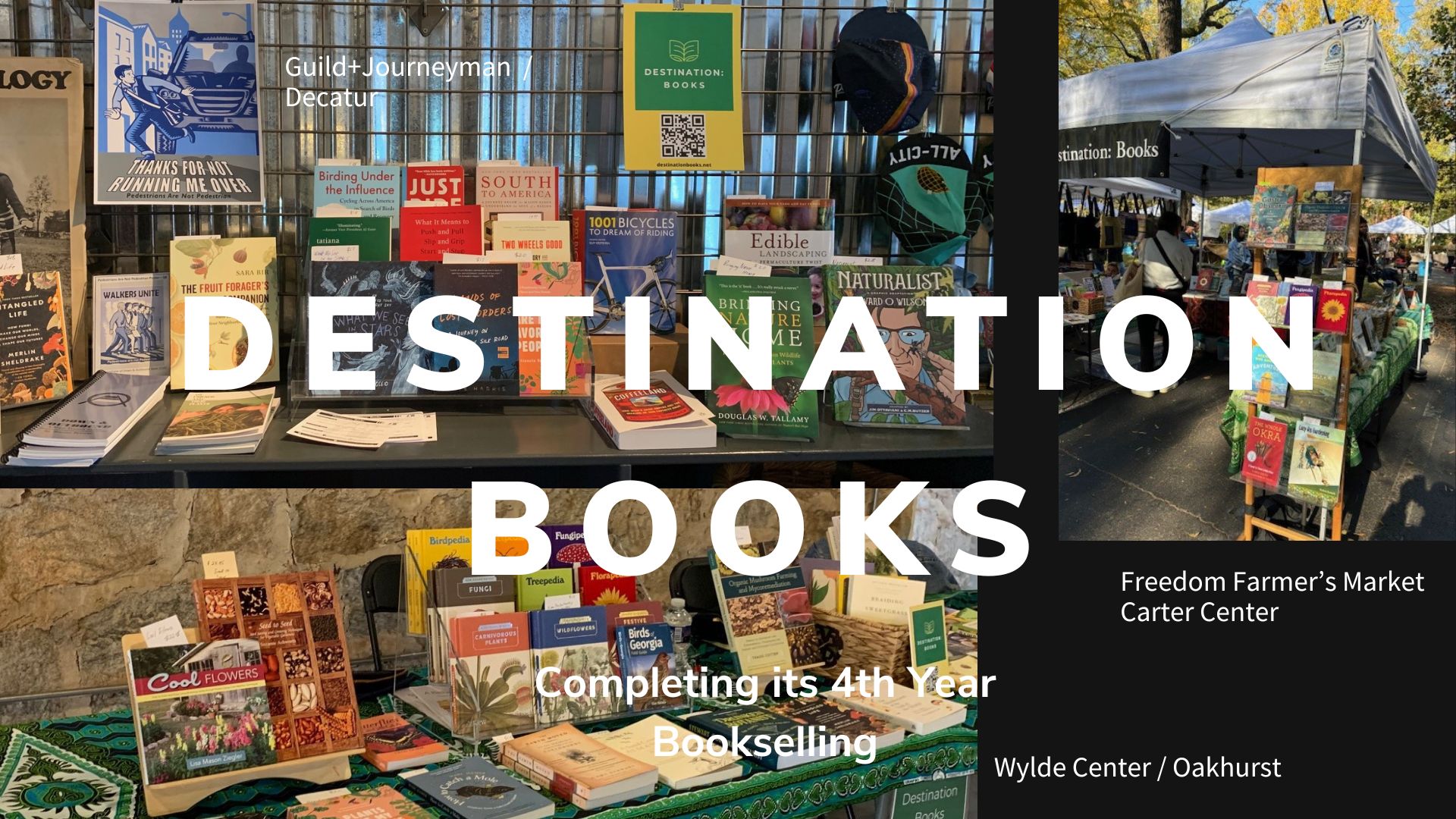
These are a sample of the standard books available at our pop-up book sales.
Gardening – How Tos
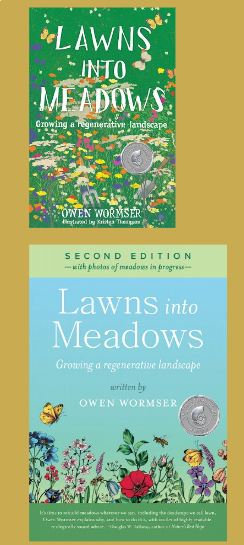 Tiny Victory Gardens, Acadia Tucker. Growing food without a yard. A simple practical guide covering a range of topics.
Lawns into Meadows, Owen Wormser. Growing a regenerative landscape. Why mow? A new second edition of his book is now available. Every time someone buys this book a gas power leaf blower or lawn mower fall silent.
Fresh Food from Small Spaces, The Square Inch Gardener’s Guide to Year-Round Growing, Fermenting, and Spouting, R.J. Rupenthal. Great resource for apartment dwellers.
The Living Soil Handbook: The No-Tillers Growing Guide to Ecological Market Gardening, Jesse Frost. For the serious about soil.
See a comparison to other gardening books below:
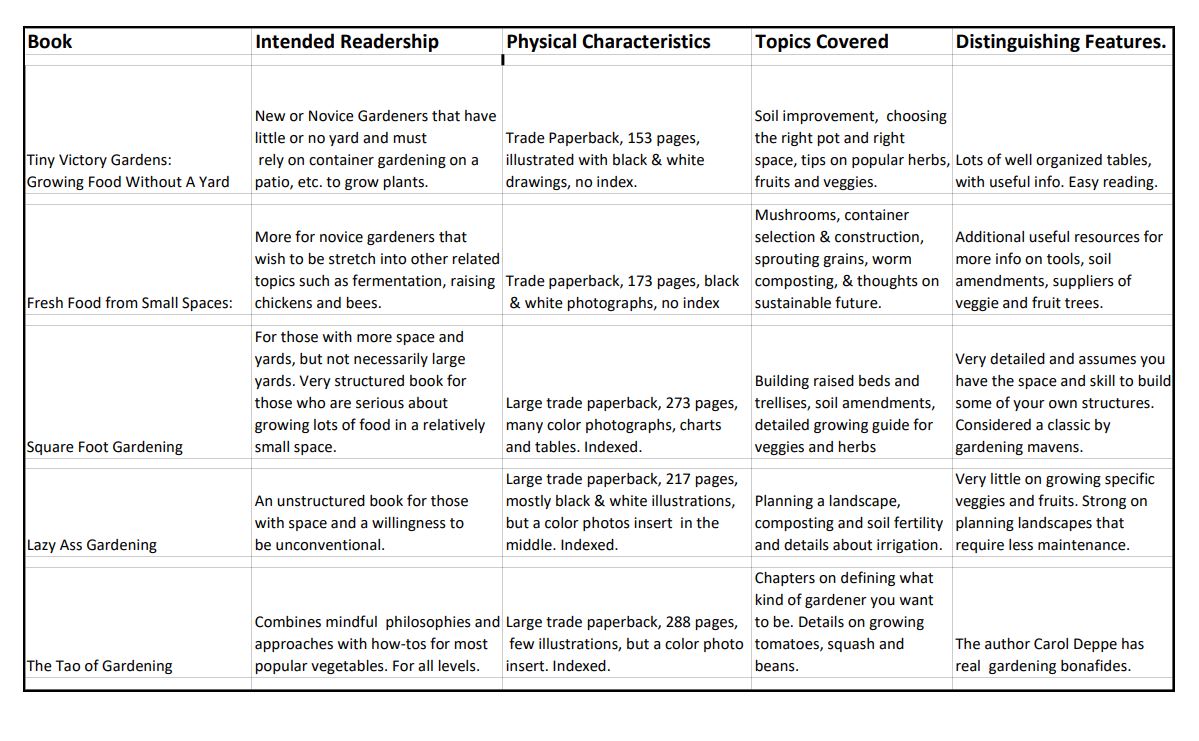
Mushrooms and Fungi
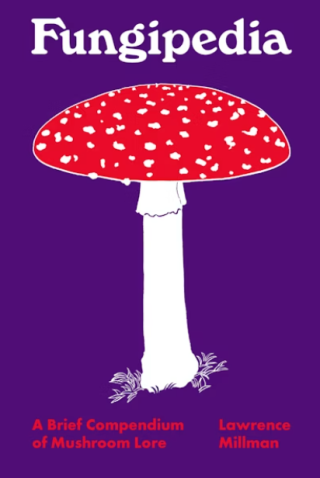 Fungipedia: A Brief Compendium of Mushroom Lore by Lawrence Millman and illustrated by Amy Jean Porter. Princeton University Press publishes this mini-encyclopedia along with similar books about birds, insects and trees.
Entangled Species: How Fungi Make Our Worlds, Change Our Minds & Change Our Future by Merlin Sheldrake. A readable fascinating introduction to fungi.
The Mushroom at the End of the World by Ann Louwenhapt Tsing. This book hits the sweet spot of a Destination: Books offering—the intersection of sustainability, distant places to visit and good writing. Tsing’s book is wide in scope and can be challenging at times, but well worth the effort. Read a review in the Destination:Books blog. This was our bestselling book in 2024.
Organic Mushroom Farming and Mycoremediation by Tradd Cotter. This is the aircraft-carrier of mushroom cultivation.
Reference Books
You can’t beat a good reference book. We carry books on butterflies, birds and bees.
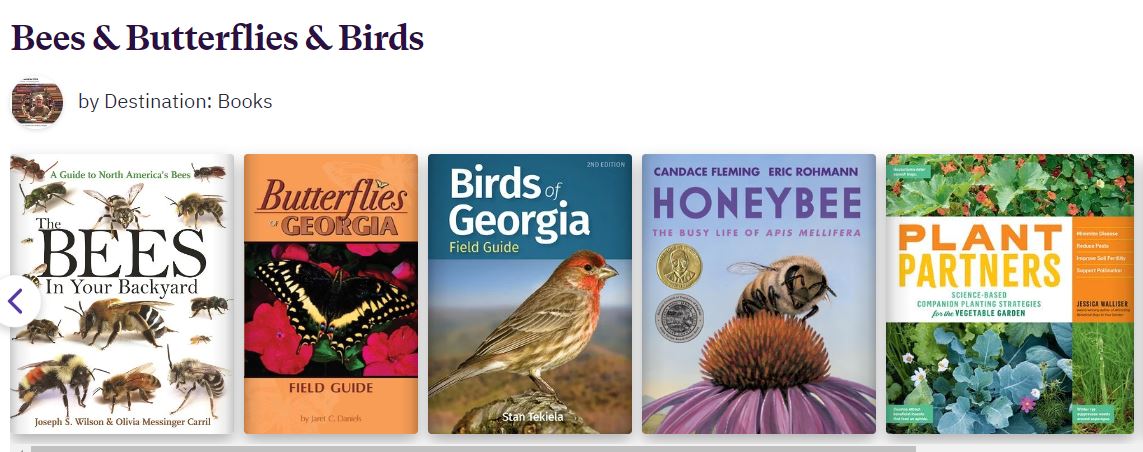
Most of the books of our standard popup books are available at our online store which is run by Bookshop. A significant part of each purchase goes to our popup (and not Amazon).
—– —– ——– TITLE: The Believer Catalog Page DATE: 08/30/2020 05:04:26 PM —–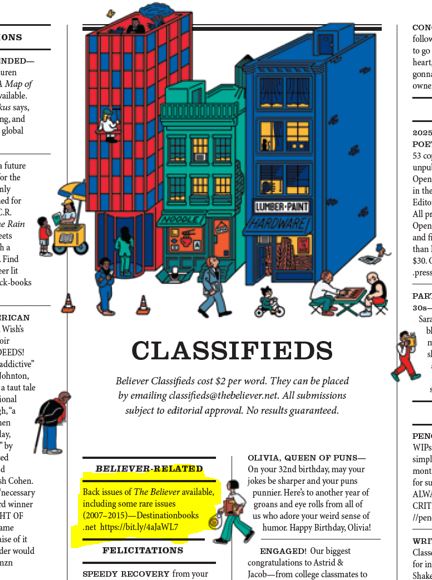
Welcome! You are probably here because of this classified ad that ran in the The Believer beginning on March 27, 2024. You are at the right place. Part of the Destination: Books‘ mission is to give quality, quirky books and magazines such as The Believer, a good home.
There are two ways to purchase past The Believer issues:
For an individual issue you can purchase them at the Destination: Books Alibris Store. Each issue is priced between $5 & $10 and shipping and handling is an additional $4 to $5. Only single issues are sold this way. The screen grab artwork demonstrates the best way to search the Alibris site for a specific magazine. Enter “Believer, Issue #” in Alibris search bar. (Note: The Destination Alibris Online Store is temporarily suspended until July 11, 2025.)
or
You can pay for multiple issues via Paypal or Venmo. Contact me murray.browne AT gmail.com, list which issues you want and I will send you an invoice. Shipping for the first five issues is $5 ; between 6 and 10 issues is $10 and anything over 10 issues is $15.
Small print: Offer is good for addresses in Continental United States and packages are sent via USPS Media Mail. Georgia residents must add 8% sales tax. The magazines are in good shape with only a couple exceptions which are mentioned in the individual listings. No refunds, but if the customer is not satisfied then I’ll issue a comparable trade out from the Destination: Books Catalog.
Available Past Issues
2003 – 2005
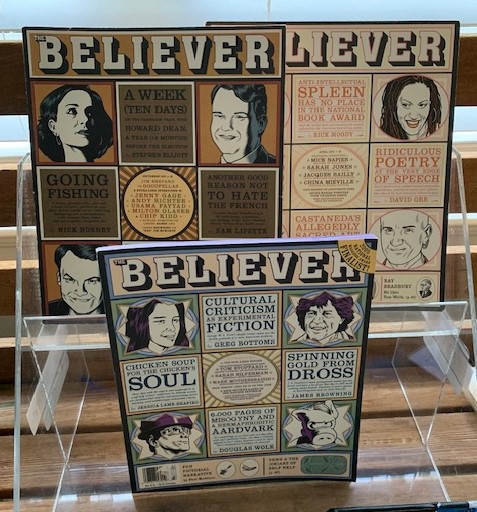 Issue 6, September, 2003 – Conversation with Chip Kidd, Political stories on Donald Rumsfeld and Howard Dean. This is a thick issue. The first year.
Issue #23, April 2005 – Ray Bradbury book recommendations, articles about Hunter S. Thompson and Carlos Casteneda.
Issue #27, September 2005 – Interview with Sarah Silverman, and Devo lead singer Mark Mothersbaugh, Self-help Venn Diagrams.
2008
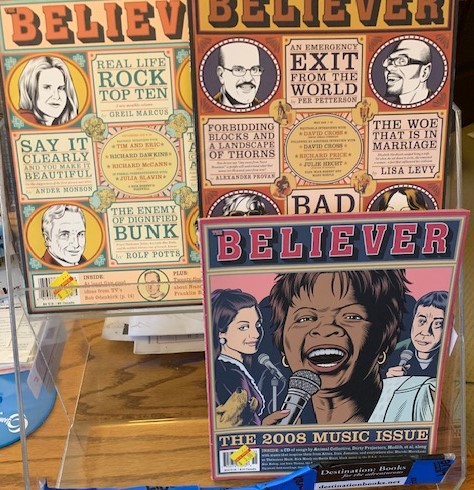 Issue #53, May 2008- Interviews with David Cross, Richard Price and Julie Hecht and an advice from Mindy Kaling. Great article about how can we warn future generations about buried nuclear waste. (The waste is radioactive longer than any language.) Outdated price sticker on the front.
Issue #55, July/August 2008 – The Music (CD is missing, sad face). Haruki Murakami on Thelonious Monk. An interview with Irma Thomas, the Soul Queen of New Orleans. Outdated price sticker on the front.
Issue #56 September 2008 – A book about a series of paintings about the cartoon Nancy. Advice from Bob Odenkirk. Interview with Richard Dawkins (The God Delusion). Outdated price sticker on the front.
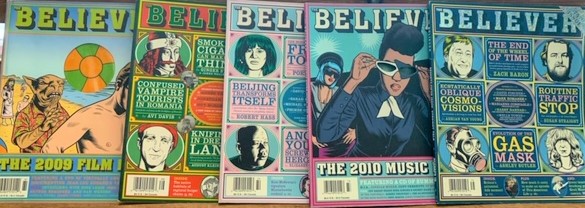 2009 & 2010
Issue #61, March/April 2009 – The Film Issue (includes DVD of Godard short films), and it has a conversational interview with Sam Mendes and Heidi Julavits (some minor highlighting) and another interview with John Sayles.*
Issue #  63, June 2009 – Jonathan Lethem on Nathaniel West, Judd Apatow is the guest columnist for an advice column.
Issue #66, October 2009 – Music columns from Greil Marcus, Jack Pendarvis’ monthly column and an advice column from Louis C.K.
Issue #72, June 2010 – Music column from Greil Marcus, Jack Pendarvis’ monthly column and an advice column from Rose McGowan.
Issue #73, July/August 2010 – The Music Issue. I includes the CD which was mixed in Wonderland in Atlanta and was recently tested. There are some markings on several pages (sorry). Articles: “I Wish I Knew How it Would to be Free” (The Secret Diary of Nina Simone).*
Issue #75, October 2010 – A conversation with Barry Hannah. A conversation with Director David Fincher.
 2011
2011
Issue #77, January 2011 – Music column from Greil Marcus, Jack Pendarvis’ monthly column and an interview with Michael Ondaatje.
Issue #78, February 2011 – “The Dead Chipmunk: An Interrogation into the Mechanisms of Jokes” by Chris Bachelder.
Issue #80, May 2011 – “Red Eden: When We All Move to Mars, Will We Be Happier” by Nathanial Rich.
Issue #81, June 2011 – Interviews with comic journalist Joe Sacco and photographer Lena Herzog. “In the Atomic City” by Millicent G. Dillon.
Issue #83, September – Interview with Jason Schwartzman, Conversation between Don DeLillo and Bret Easton Ellis, “Orthodox Chic” (Brooklyn’s Orthodox Jewish Women) by Meaghan Winter.
Issue #84, October 2011 – Jonathan Lethem essay on Postmodernism, Interview with Steve Carrell.
2012
 Issue #86, January 2012 – Interview of Laurie Anderson, An essay about erasure literature, challenging the ideas of authorship, originality and influence by Jeannie Avanasco.
Issue #87, February 2012 – Sherman Alexie in conversation with Neko Case. “Atomic Bread Baking at Home” by Aaron Borrow-Strain.
Issue #90, June 2012 – Interview with Sophie Calle, “Schema: The Harley-Davidson in American Culture”
Issue #92, September 2012 – Interview with food critic Jonathan Gold, “Eddie is Gone: The Life and Death of Surf Legend Eddie Aikau.
2013 
Issue #96, February 2013 – An examination of the movies that fed the fantasia of the Third Reich, An interview with Jeffrey Eugenides.*
Issue #97, March/April 2013 – Margo Jefferson on James Baldwin, An interview with radio artist Joe Frank.
Issue #99, June 2013 – Alan Moore interviewed by Peter Bebergal, An interview with Joyce Carol Oates.
Issue #100, July/August 2013 – The Music Issue.
Issue #101, September 2013 – Interviews with Edward Albee and Margaret Cho.
Issue #102, October 2013 – A look at the political, personal, and familial reasons for Dave Chapelle’s return home to Yellow Springs, Ohio.
 2014 & 2015
Issue #104, January 2014 – Judy Blume in conversation with Lena Dunham, “Remote Control: Tonya Harding, Nancy Kerrigan, and the Spectacles of Female Power and Pain” by Sarah Marshall.
Issue #105, February 2014 – “Everything is Going to Be Ok: What a 1994 Branding Fiasco Can Teach Us About Counterculture and Commerce” by Michael Schulman.
Issue #107, May 2014 – A conversation with Chuck Palahnink, “Mr. Nhem’s Genocide Camera” (Cambodia’s Museum of Atrocity).
Issue #112, Summer 2015 – A conversation with Lev Grossman and Charles Yu. An interview with Robert Coover.
There were no issues published between the Fall of 2015 and August/September 2017.
* Issues that contain media such as DVDs or CDs are $10.
—– ——– TITLE: Believers For Sale DATE: 08/22/2020 04:51:51 PM —–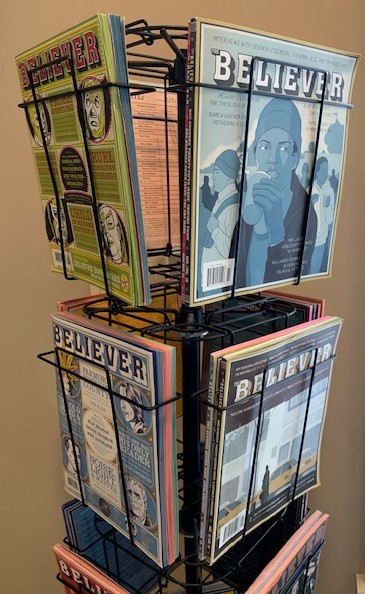 I have been a Believer subscriber for over ten years and rarely have I thrown away or recycled an issue even though I am nonplussed about the publication. In one (and in the most important) way I've always found each issue containing some interview, feature or essay that introduced me to a new writer or filmmaker which enriched my cultural capital. Funny thing is that when I read them on the subway, I always felt that people –given the name of the periodical — were suspicious that I was on the verge of proselyting. Adding to my anxiety, I always had the insecurity that The Believers publishers were always “too hip” for someone like me. Moreover, their subscription history is spotty at best. There was a longtime hiatus of issues when then they changed owners and they still have trouble managing renewals.
Last year at the Decatur Book Festival, I took some of the stock, displayed in handsomely on a rack and sold it at my Destination: Books booth finding homes for about 20 to 30 issues. I would use the salesperson pitch of: “Take your change in Believers?”
But alas there is no DBF this year for Destination: Books. I would feel guilty just tossing them so I am try to find homes for them and free up some shelf space by making them available online.
With a few exceptions (which I have flagged) they are in good shape considering their age and this is also a tribute to the quality printing of the originals.
For purchasing details and a list of which past issues are available visit The Believer Catalog Page.
—– KEYWORDS: The Believer Magazine, Back issues, Decatur Book Festival —– ——– TITLE: Destination Books Stays at Home DATE: 05/25/2020 05:16:27 PM —– BODY: With no foreseeable end to the COVID-19 lock down the Destination: Books popup book stall remains at home with no opportunity to wear our T-shirt "uniforms" out in public. Last year we were at the Georgia Antiquarian Booksellers Association (GABA) Paper and Art Fair at the Decatur Book Festival but GABA has already decided to sit 2020 out and let our books and ephemera age a little longer.Most GABA members do lots and lots of online selling.
In contrast Destination: Books has less than 20 listings at its destination.alibrisstore but what we lack in numbers we make up for in personality, eclectic offerings and creative deals. Check out the updated online catalog.
—– —– KEYWORDS: Destination Books. GABA, Georgia Antiquarian Booksellers Association. —– – ——- TITLE: Destination Books Goes to Italy DATE: 04/26/2020 02:50:20 PM —–
Even though Destination: Books remains on lockdown during the COVID-19 crisis, we have used the time to read some of the inventory. One book of interest has been Dottoressa: An American Doctor in Rome (2019) by Susan Levenstein, MD.
After Dr. Levenstein finished her medical studies at Mount Sinai in New York in 1978 she moved to Rome with her Italian husband to set up a medical practice and immerse herself in the culture. The marriage didn’t last, but her love of Italy did and she remains there to this day.
Her account can be enjoyed as one might a frittata, with the tale of establishing herself as a physican in Rome serving as the eggy part, enhanced by the tasty ingredients within like food, booze, drugs and sex. She mixes them together with the skill of a top chef.
 Since COVID-19 ravaged Italy before it overran the United States, Dr. Levenstein’s observations on the Italian medical community have even more relevancy; more medical updates appear on her blog, Stethoscope on Rome. Dottoressa also reveals by comparison (for better and worse) the medical establishment here in the United States. But the book is actually more of an overview of the plusses and minuses of Italian society, which she writes about with humor and affection. There are also revealing personal chapters where Dr. Levenstein is candid about her own feelings about life and death and the sometimes complex relationship she has with her patients. “Compassion and annoyance are potentially two sides of the same coin of engagement,” she writes. Often times the book reminds one of the stories medical friends tell over cocktails about the real behind-the-scenes doctor stuff (with names changed of course).
In these stay-at-home times, the book can scratch that travel itch that many of us have, and for my partner Denise and me it serves as a pleasant reminder of our trip to Italy last fall. (Full Disclosure: the picture of the Coliseum is from Verona not Rome.) If Destination: Books ever gets out of the house again we’ll have it available at our pop-up book stall. In the meantime, you can order directly from Dr. Levenstein’s publisher, Paul Dry Books, which is one of the publishers we enjoy working with and some of whose books appear on the bookshelf below.
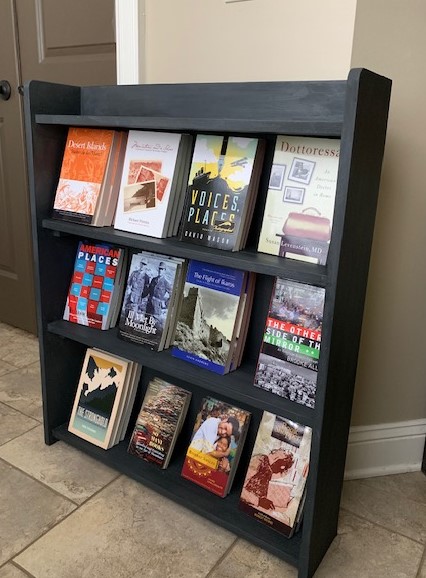
—– TITLE: Catalog of Eclectic Books DATE: 12/19/2019 09:24:24 AM —–

Here are some details about the books available for purchase that Destination: Books has listed at its Alibris store at https://www.alibris.com/stores/destination.
Juliet, Naked and Songbook by Nick Hornby.
I went to see Hornby at the Highland Ballroom in Atlanta while he was on tour promoting the paperback version of Juliet, Naked, I waited in to get these books signed and give him a copy of my own book about books The Book Shopper: A Life in Review since Hornby has a book column in Believer magazine. He was gracious and signed everything, but I was disappointed that the never wrote about The Book Shopper (sigh). The Songbook copy is the original hard copy book and has the accompanying CD with 11 of the songs that Hornby writes about. See the blog posting from June, 2010.
Songbook is listed for $50 on my destination.alibrisstore.com. If you buy it, I will include Juliet, Naked for free with the same shipment (valued at $15). Just inquire at murray.browne905 (AT) gmail.com.
Women by Charles Bukowski
This is the classic 2002 Black Sparrow edition. Though some may find Bukowski “out of fashion” the actress and writer Quinta Bronson differs. She had just moved to L.A. from Philadelphia, and she read one of his books and found it comforting as she adjusted to a new city. “I enjoyed how frank he was, ” she said in an interview in The New York Times Magazine (4/3/2022) .” I’ve always enjoyed his very frank characters – forthright in their terribleness. That’s what got me; he was this terrible guy and he should change, but that is what he was at that time.” Available here.
Seurat by Richard Thomson
 This is a quality, large, trade paperback from Phaidon Press that simply deserves a good home. Just $6 plus S & H. To order, go directly here.
Marshal McLuhan on the Nature of Media: Essays, 1952-1978 edited by Richard Cavell
This is a book for the McLuhan junkie, but some of his observations are still relevant: “There is not possible protection from technology except by technology” or “The small child does more data processing — more work than any child in any previous culture in the history of the world.” Just $14 plus S & H. To order go directly here.
The Weekly Weeder by Ryan Gainey and Illustrated by The Count Beauregard DuBois
A collectible copy of Ryan Gainey’s spiral bound illustrated 18-page poster-like book The Weekly Weeder. What makes the book a collectible is that it was signed by Gainey himself. It is gorgeously illustrated in full color by The Count Beauregard DuBois.
The Story Behind It (or its provenance)
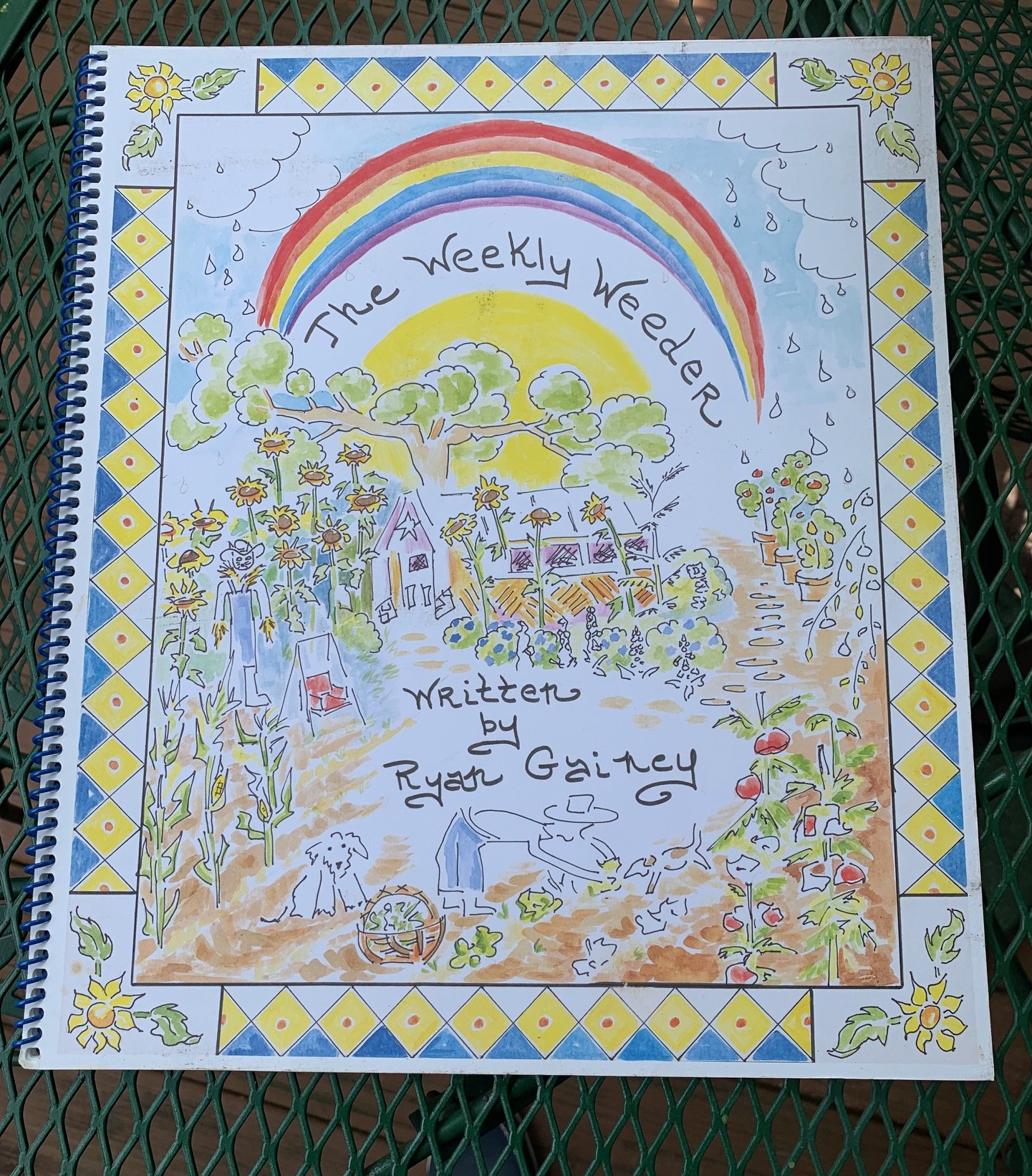 On Easter Sunday, 2015, my partner Denise and I toured Gainey’s home gardens on Emerson Avenue in Decatur. We were walking by his home and Gainey was in his backyard with his dogs and invited us to leisurely tour his gardens, which was well worth it. When he finished our stroll, he pitched The Weekly Weeder to us, we thought “Why not?” because it was the most amazing private garden we had ever seen or seen since. He was very pleased at our purchase and chatted at length while he signed the book in gorgeous script.
It is in very good condition, but the edges have slight shelf wear. $110 plus S & H. Available only by contacting murray.browne905 AT gmail directly.
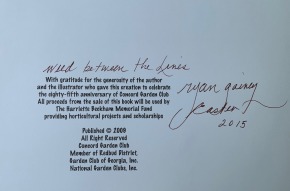
The Complete Works of Murray Browne
Down & Outbound: A Mass Transit Satire by Murray Browne
The video says it all. $11 plus S & H. But volume discounts are available at book’s homepage at downandoutbound.com. Look for the Down and Outbound Store link. Only 100 copies left! (sigh)
The Book Shopper: A Life in Review by Murray Browne
 Destination: Books and the author of The Book Shopper are one and the same. You can still purchase a new copy of The Book Shopper from the publisher Paul Dry Books, but if you want a signed copy reach out to me on email at murray.browne905 (AT) gmail.com. The prices are about the same at each $12 (plus S & H).
A Father’s Letters: Connecting Past to Present by Murray Browne
More details about the book including purchasing options are available at murray-browne.com
—– ——– TITLE: Destination: Books at Alibrisl DATE: 12/14/2019 11:04:18 AM —– Destination: Books has an online portal on Alibris at destination.alibrisstore.com. Books that have been recently added are listed on this site's sidebar.
A complete list of offerings with further commentary can be found here.
—– TITLE: Destination: Books Defined DATE: 12/12/2019 01:15:23 PM —– BODY:
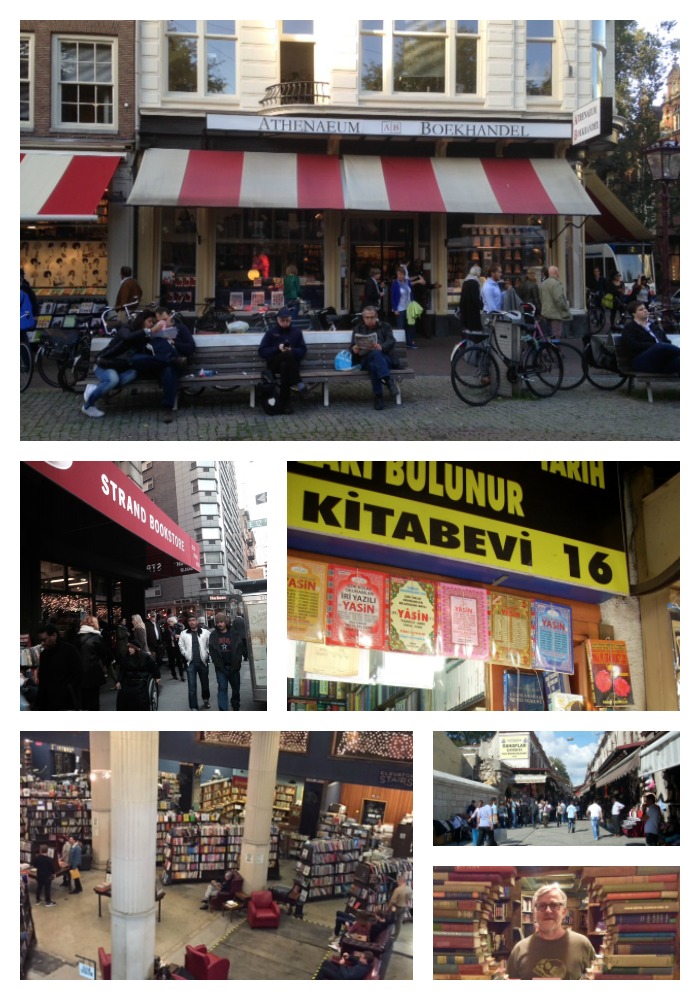 Destination: Books is a pop-up booth based in Atlanta that reflects the interests of its proprietor-moderator, Murray Browne, who is the author of The Book Shopper: A Life in Review and Down & Outbound: A Mass Transit Satire. Destination Books specializes in history, travel writing, organic gardening – sustainability, and books about books.
Murray lives in Decatur, Georgia, a suburb of Atlanta. He maintains blogs based on his two books The Book Shopper blog and the Down & Outbound blog. Destination Books is dedicated the idea that books can take you to many places in many different ways.
To contact Destination: Books, send an email to murray.browne905 AT gmail.com. Our first pop-up was at the 2019 Decatur Book Festival, see details below.
To buy books online from Destination: Books visit our store on Alibris at destination.alibrisstore.com
—– KEYWORDS: Destination Books, Bookshops in Atlanta, Decatur Book Festival, Georgia Book and Paper Fair. —– ——– TITLE: Destination Books Booth Debut DATE: 09/01/2019 07:36:08 AM —– BODY: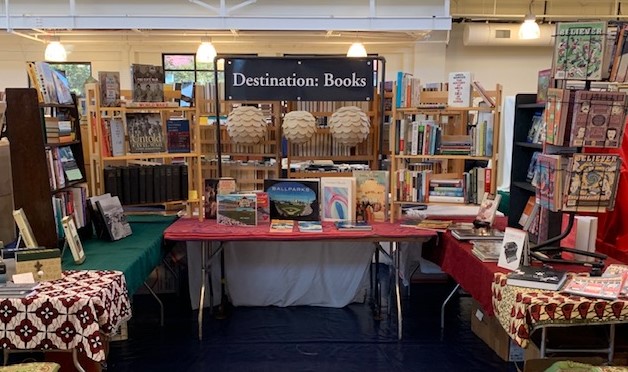
A very good looking and colorful booth with an eclectic blend of books and magazines made its debut at the 2019 Georgia Book and Paper Fair at the Labor Day Decatur Book Festival. Thanks to the many who helped make it possible: Denise Casey, Bonnie Poore, Barb Shirkey, Mark Burell, Paul Dry, Jim Adams and the Georgia Antiquarian Book Association.
—- —– ——– TITLE: Destination: Books at Decatur Book Festival on Labor Day Weekend ml DATE: 06/29/2019 05:39:26 PM —–Destination: Books will have a booth at the Georgia Book and Paper Fair during the Decatur Book Festival on August 31st and September 1st. The Fair is located in the air-conditioned Ebster Recreation Center. Hours are 10 a.m. to 6 p.m. on Saturday and Noon to 6 p.m. on Sunday. You can walk to the Ebster Center from the main festival or drive as there is plenty of parking. There are 20+ vendors, so it's like going to used and collectible books superstore.
 murraybrowne.org
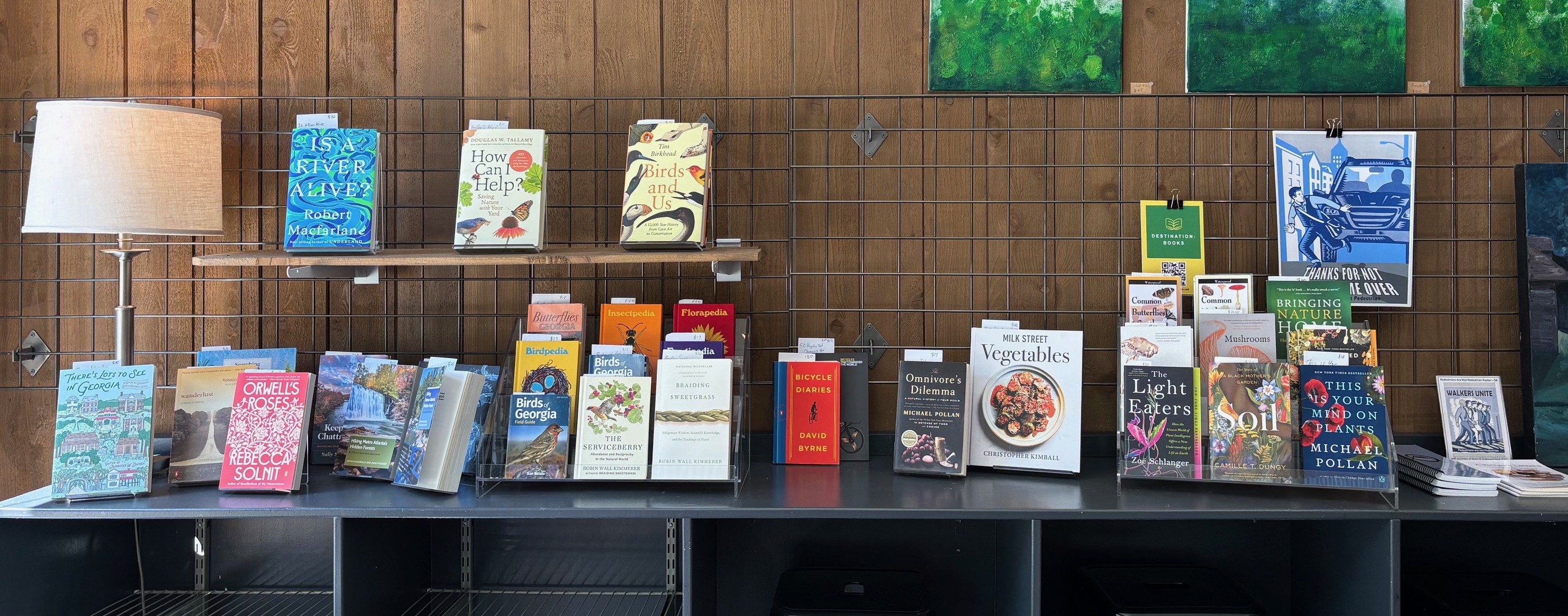
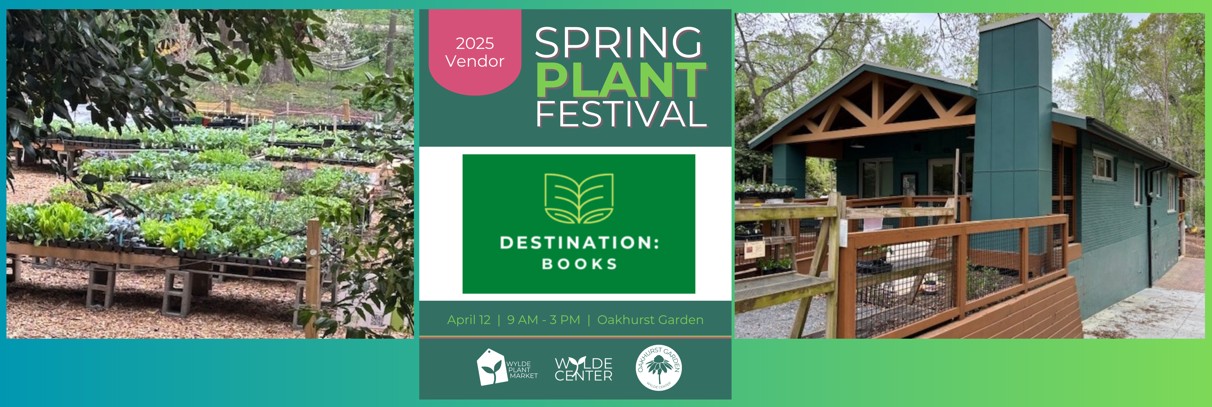
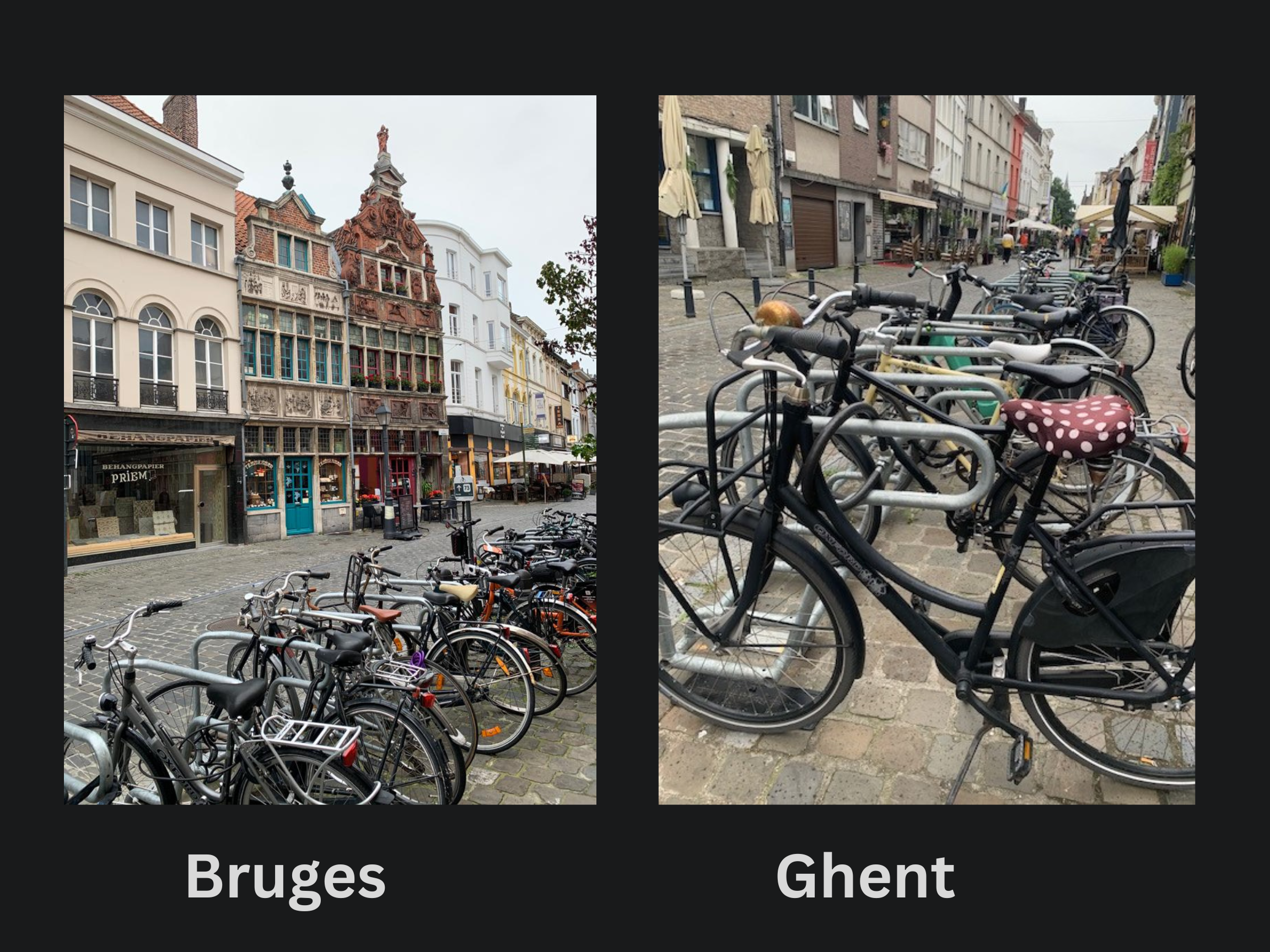
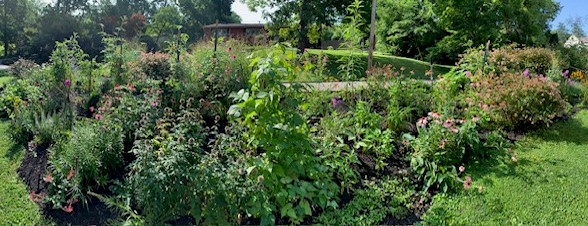
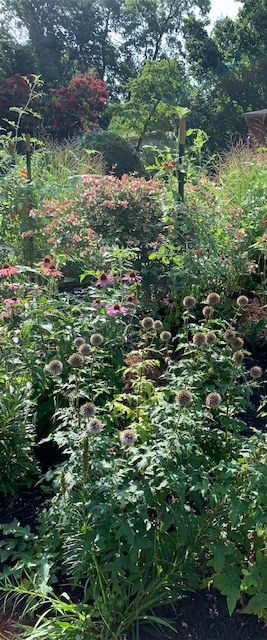
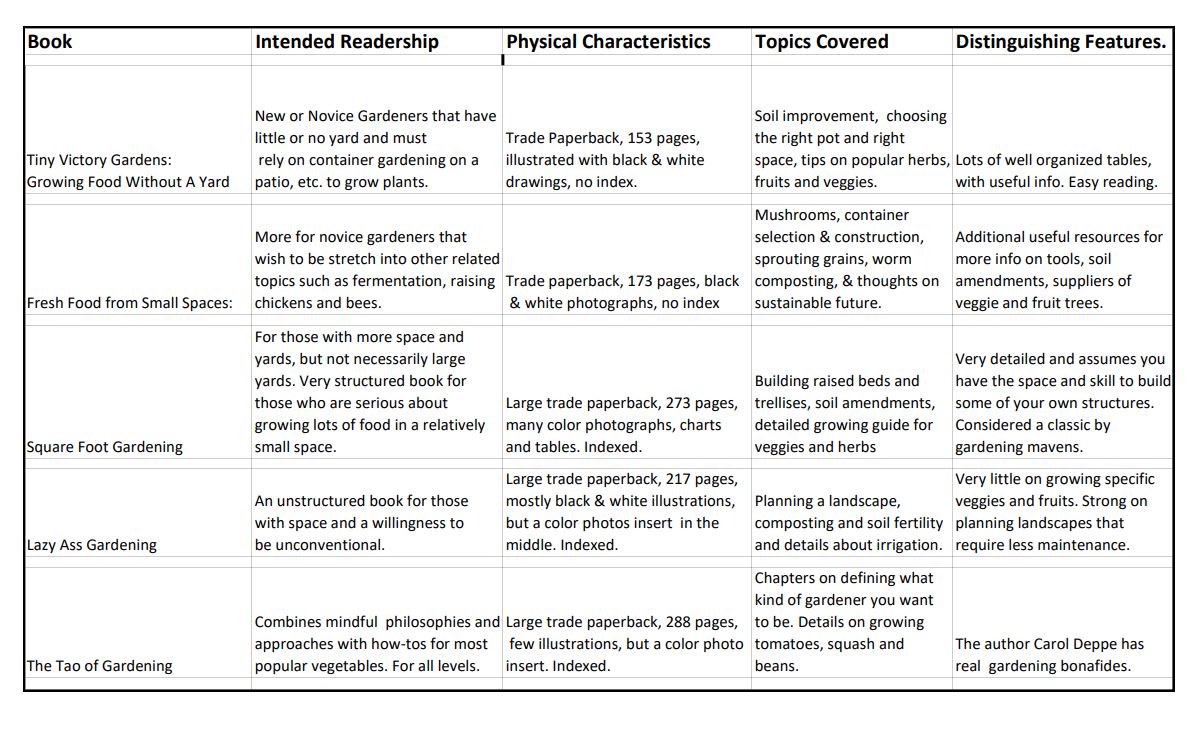
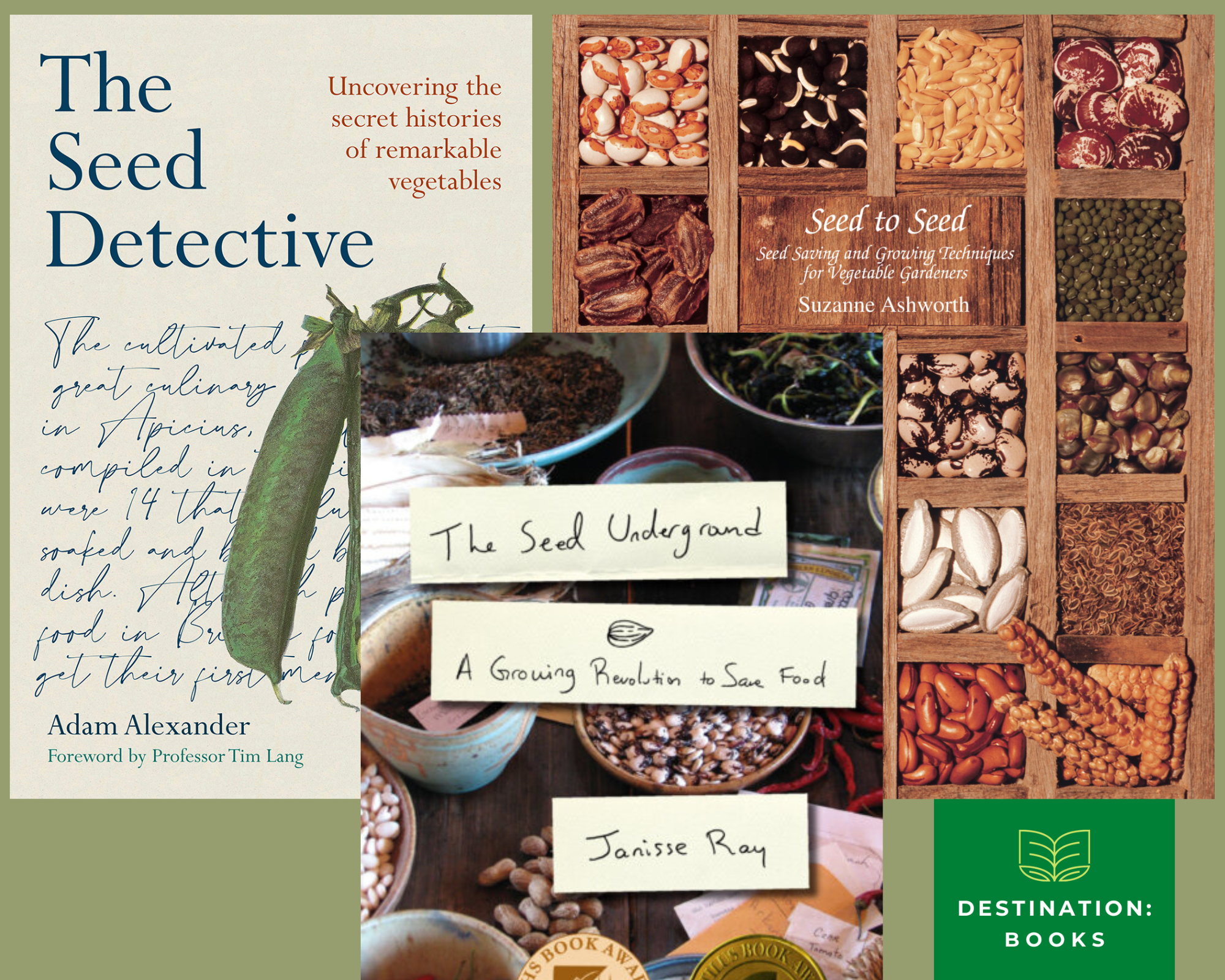

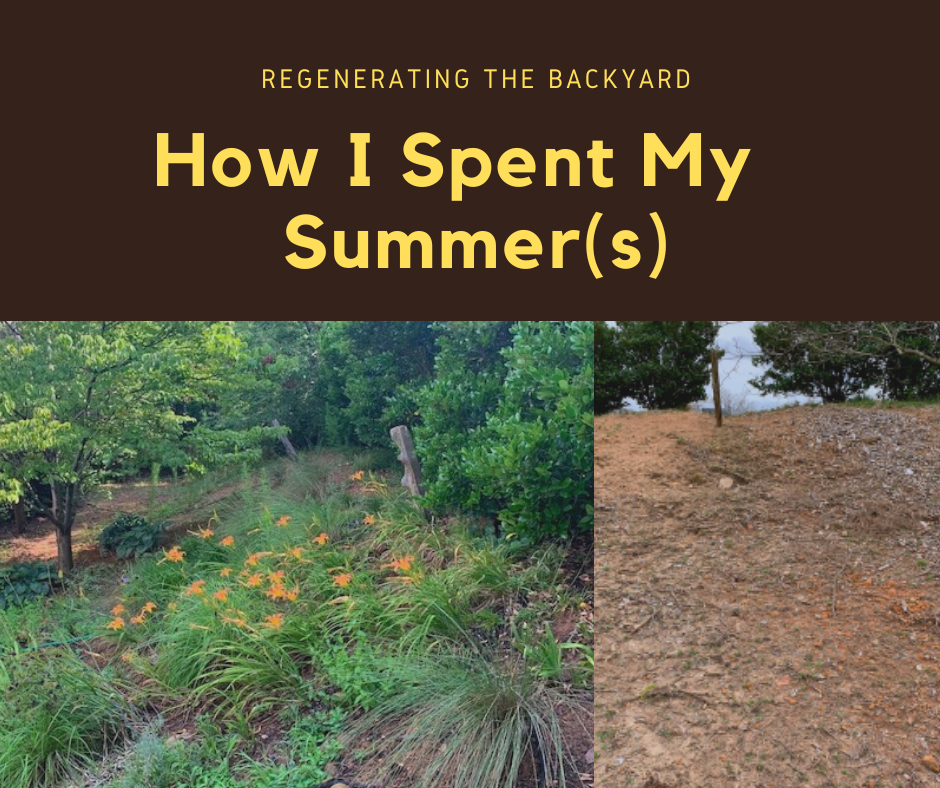
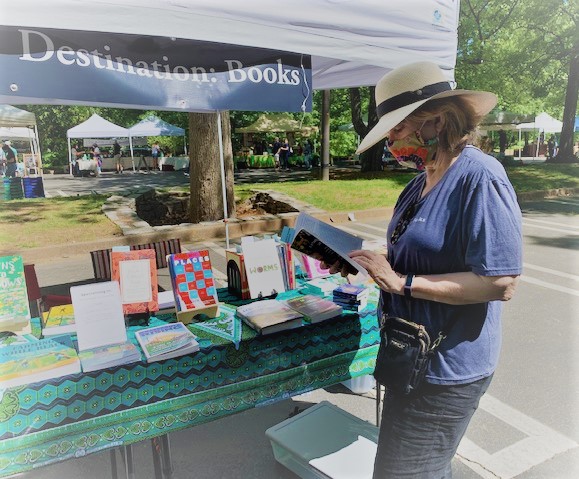
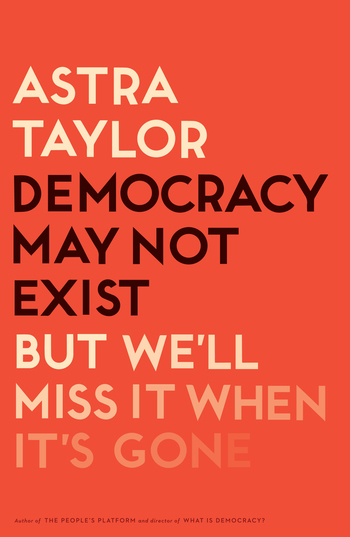
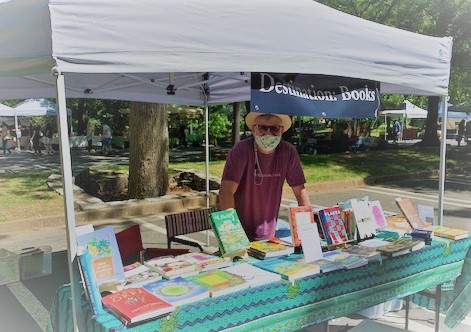
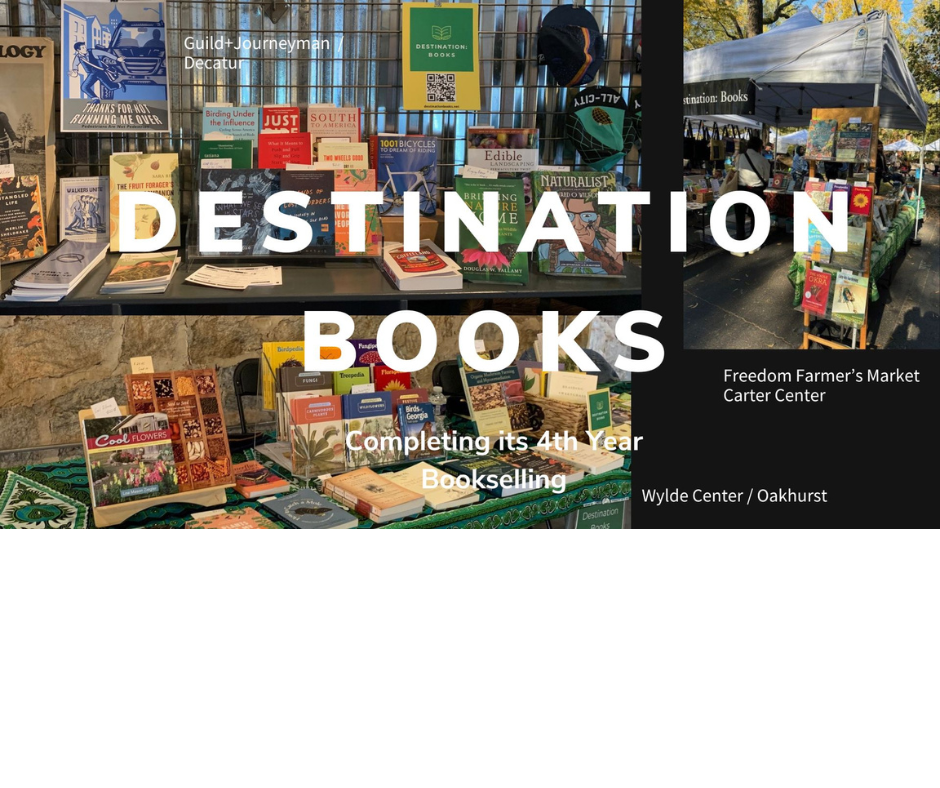
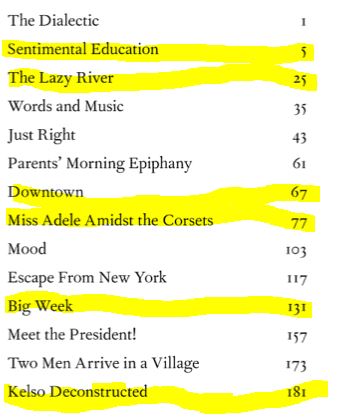
Leave a comment