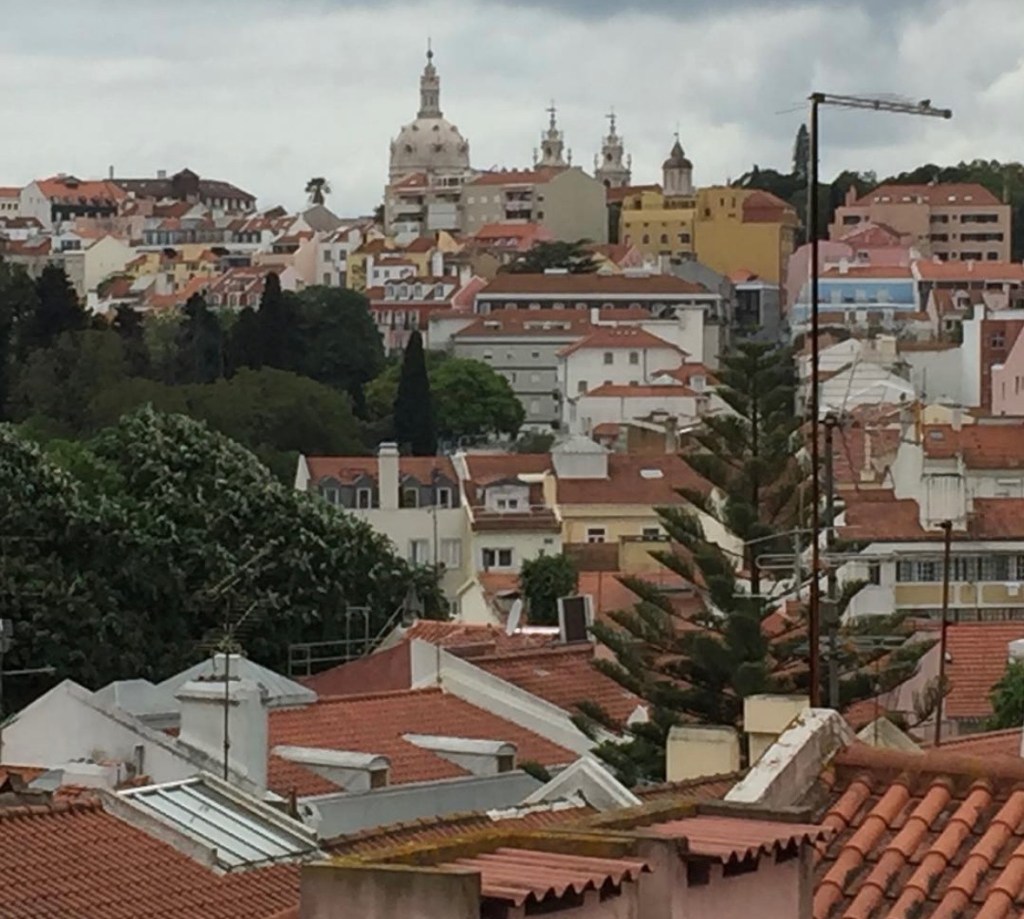
After London I joined my older daughter Cynthia in Portugal. She lives in Germany where the winters are long and the days are short and she wanted some sun and Portugal has plenty of that. She is a big reader and like my longtime partner Denise* she has introduced me to many writers and books. We spent several days in Lisbon followed by several days in the Algarve region in southern Portugal before returning to Lisbon.
This is the third and final installment of my bookish trip to London and Portugal in May, 2026.
One might expect that I would spend time in legacy Portugal book stores in the Chiado district such as the Livraria Sa’ Da Costa a rare bookstore founded in 1913 or what is considered the Worlds’ Oldest bookstore, Livraria Bertrand founded in 1732.
But that was not the case.
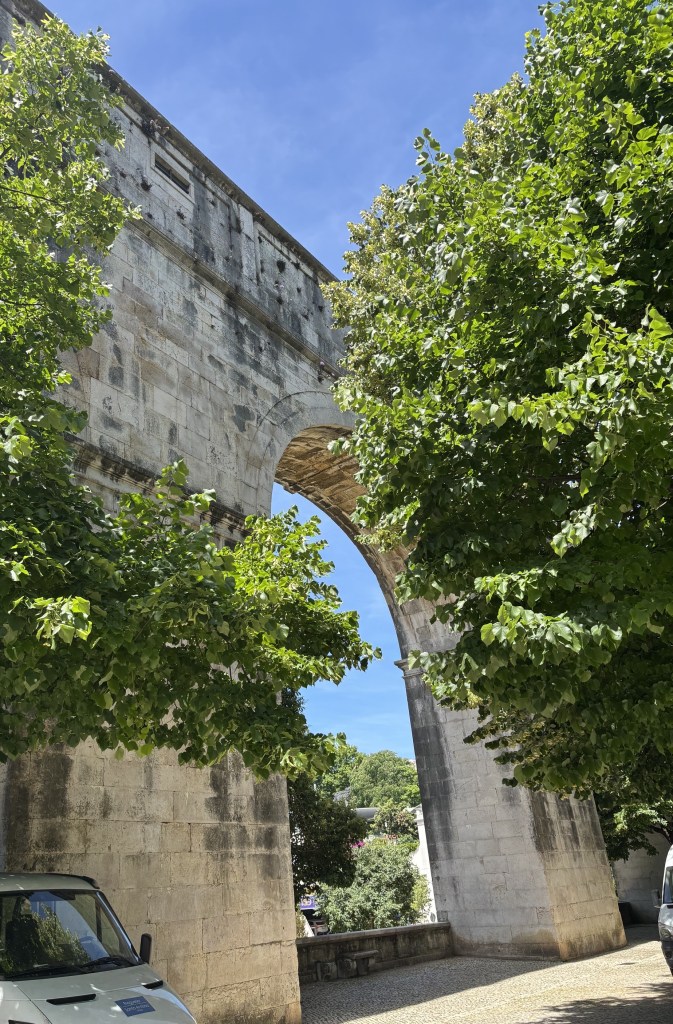
Sa’ Da Costa was mess inside which can be fun to rummage around in if you have energy. I did find an English-Portuguese picture book on aqueducts which was tempting but it was too big a lift at 50 euros. (Later making it to the Aqueduct Museum did satisfy my curiosity.)
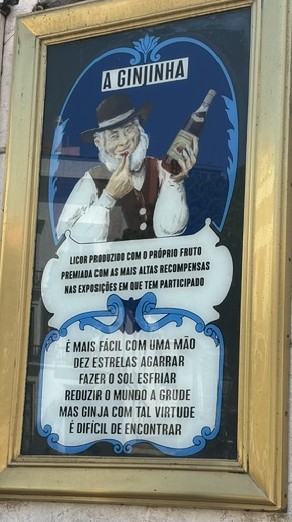
After Sa’ Da Costa I was too tired to even go to nearby Bertrand’s, but still managed to sample Lisbon’s famous cherry liqueur, ginjinha near Rossio Square afterwards.
Time Out Market – the Mercado de Riberia
Contributing to my laziness was that I had done some intense book shopping earlier in the day. Cynthia and I were in the Time Out Market a well-known indoor food market in the Mercado Da Riberia district. We had been there at supper time earlier in the week and it was complete food madness. Returning later during a quiet morning I noticed a book shop on the second floor overlooking the food stalls and tables – Livraria Martins.
Livraria Martins
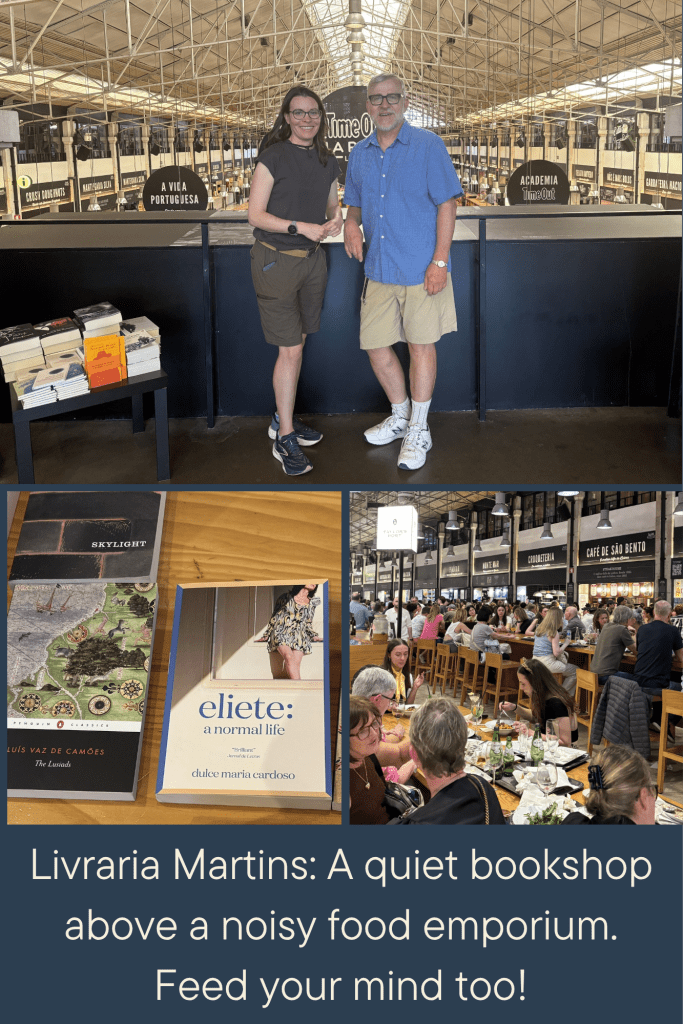
Martins had a huge English language selection and a young woman Ann made herself available to answer my questions. “Could you recommend a book by Portuguese author written in English? I asked. She pulled out a half dozen books and explained the plot and significance of each book.
I had already finished Pereira Maintains: A Testimony while on the beach near Faro and wanted something that for my last few days in Portugal and the impending long airplane trip back.
Based on her suggestion, chose Captains of the Sands by the Brazilian writer, and Nobel Prize of Literature nominee Jorge Amado (1912-2001). Two other factors swayed my decision a.) the translator was Gregory Rabassa, who translated many Gabriel Garcia Marquez books that I have read and b.) the book, written in 1937, is said to be Dickensian (a reminder of London?) in its description of the poverty and violence of Salvador Bahia on the Brazilian coast.
The Captains were a group of homeless boys mostly in their teens who survived by theft, cunning and camaraderie. Amado delves deep into their world and the mindset they developed to survive. He shows how their situations came about (no fault of their own) and how some of the boys were able to rise above their station to have meaningful lives.
The Fernando Pessoa Museum
Before Lisbon, I knew nothing about the writer and poet Fernando Pessoa (1888-1935), but Cynthia did and she wanted to visit the museum hidden in the Camp de Oruique district of Lisbon. The museum is the renovated residence where Pessoa lived. It took some hill walking to get there, but it was well worth it.
Pessoa was as eccentric who published little in his lifetime, but he died he living 30,000 unpublished pages which researchers spun into his most famous book The Book of Disquiet. Pessoa wrote under three pseudonyms and each author wrote differently. This is a famous painting of Pessoa which was displayed both at the museum and the Museum of Design in Lisbon.
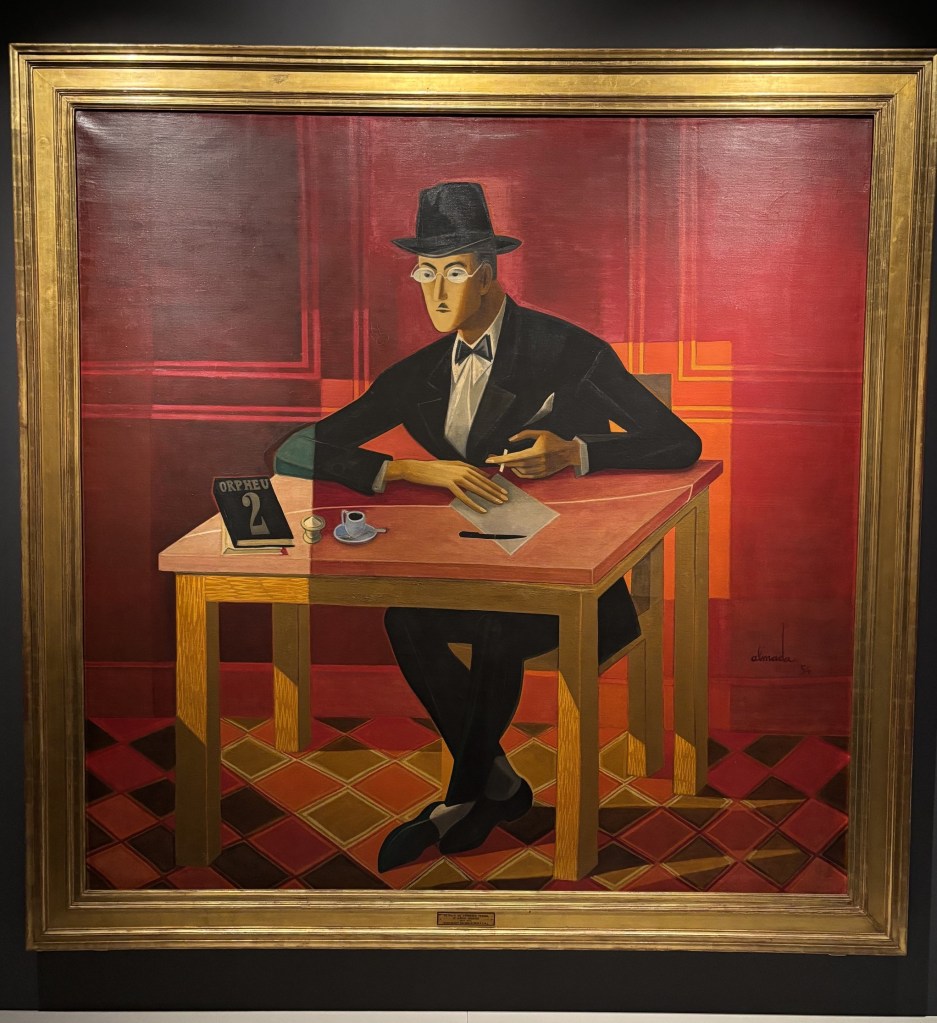
This portrait by Jose’ de Almada Negreiros was commissioned by the restaurant where Pessoa and his literary friends would meet. When the restuarant closed in 1970 the painting was auctioned off.
Disquiet is his most famous book, but according to a fellow from El Salvador who I chatted with after my tour, thinks his poems are much better. (Denise knew him as a poet as well.)
The museum was small, cool, quiet and relaxing and as I exited through the gift shop, I picked up my final book of the trip shown here. Alvaro de Campos is one of Pessoa’s pseudonyms. This book is blank, but when I travel, I prefer to bring a small notebook like this to log my random notes and thoughts.
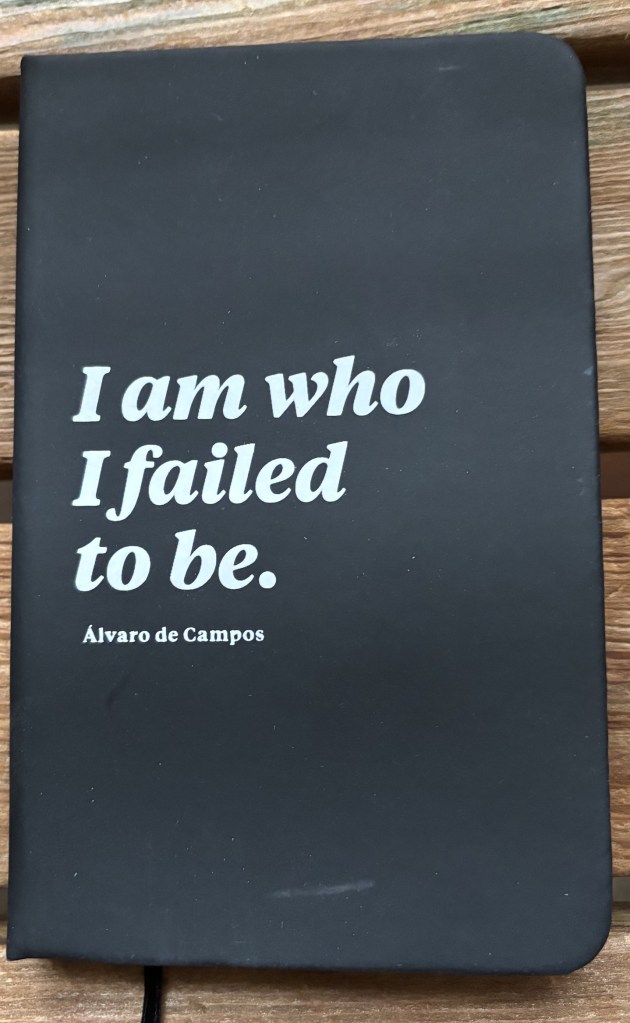
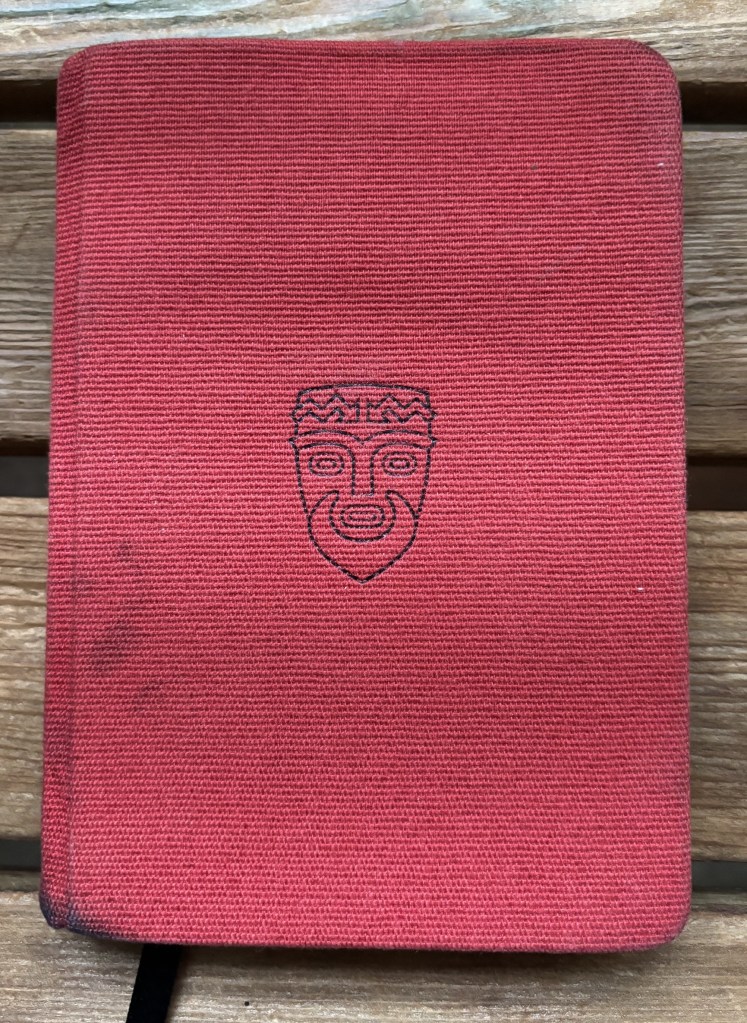
This book will eventually replace my tattered diary from the Kon-Tiki museum that I purchased in Oslo in 2024. It is the type of book I always take me when I travel.
*Note: Denise did not go on to Lisbon from London. She was there in 2016 and the picture of the Lisbon rooftops at the top of the page comes from her earlier visit.


Leave a comment