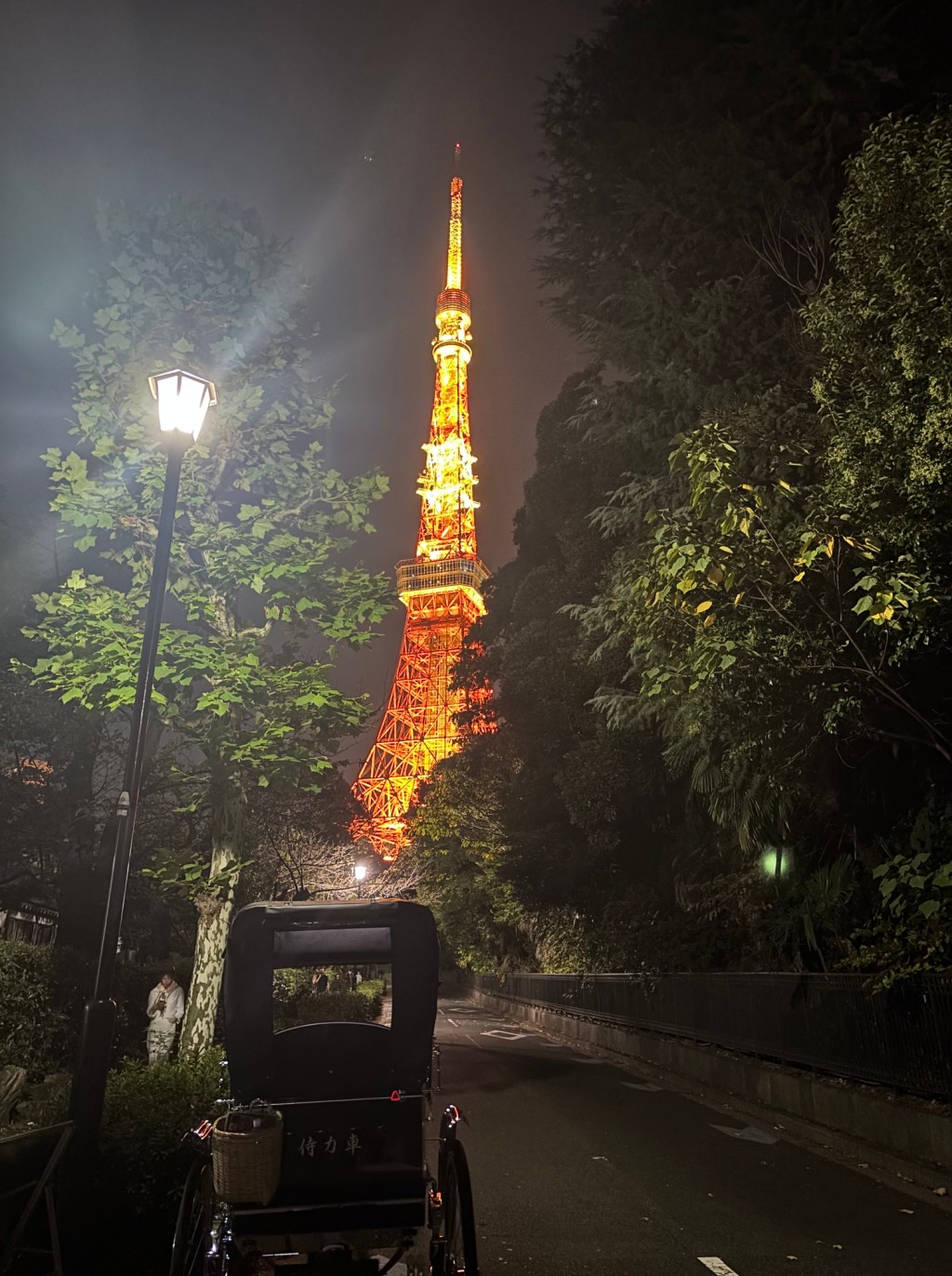
I am still revisiting Japan after my two-week trip which included Tokyo, Matsumoto, Takayama (both in the Japanese Alps) and Kanazawa. The latter was known as “Little Kyoto,” before Kyoto trademarked “Little Kyoto” and charged municipalities a licensing fee, which Kanazawa refused to pay. My longtime partner Denise and her Japanese-speaking son Sean both planned and executed the trip, which made it effortless for me except I did have to concentrate on not falling behind.
This post focuses on the bookish aspects of the trip which were mostly centered around Tokyo.
Book Preparation
To prepare for the trip, I read two helpful books: the lengthy 1999 Pulitzer Prize Embracing Defeat: Japan in the Wake of World War by John W. Dower and Emergent Tokyo: Designing the Spontaneous City (2026) by Josef Almazan + Studio Lab, an architecture and urban design laboratory at Keio University, Japan. Almazan is the director of the lab.
With the encouragement of GRSG (Gravity’s Rainbow Support Group), I plowed through Embracing Defeat. I will refer you to our reading notes (but you must scroll down) for the in-depth review. It was an invaluable stepping stone for understanding the current culture since post-war Japanese history affects it to this day.
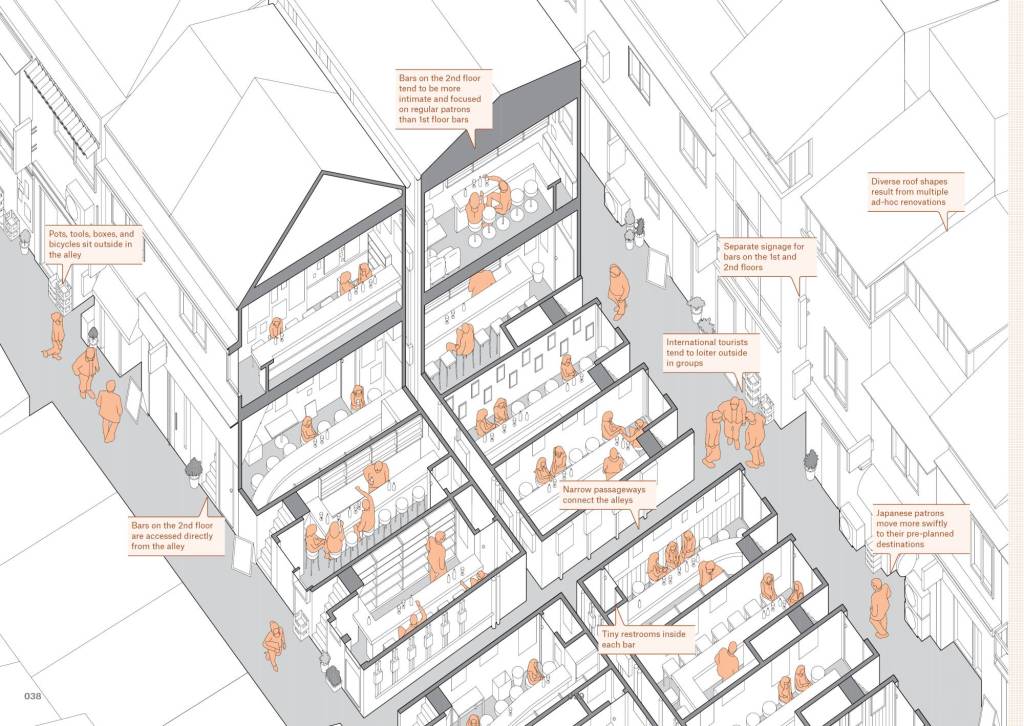
Emergent Tokyo is a totally different type of book. Its mission is to “demystify Tokyo’s emergent urbanism” by identifying the key features of some prominent Tokyo cityscapes: the yokochō alleyways, multi-tenant zakkyo buildings, undertrack infills, flowing ankyo streets and dense low-rise neighborhoods.
The book enlists history, commentary, and photographs to differentiate these areas. Further enhancing my understanding were maps and wireframe models that explained the various neighborhoods.
Like many first-time travelers to Japan, I was blown away by the endless tall buildings of Tokyo, but Emergent and a food tour of Kichijoji district (located just past the Yamanote Beltline on the west side of the city) convinced me that Tokyo has many neighborhoods with distinct personalities.
Other Contributing Books
Back in a previous posting (9/23/26) I mentioned I picked up three recommended books about Japan from the Arctic Tern Bookshop in Rockford, Maine:
— The classic detective novel Tokyo Express written in 1958 by Seicho Matsumoto. One of the characters is the Tokyo subway and train system which are central to the plot. We rode the trains extensively while in Japan, so I understand why the author made it such a focus of the book. Both Denise and I read it.
— The Sakura Obsession written in 2019 by Naoko Abe. This is a biography of Collingwood “Cherry” Ingram (1880-1981), a Brit who never met a species of cherry tree he didn’t like and how he reintroduced several types of Sakura trees back to Japan.
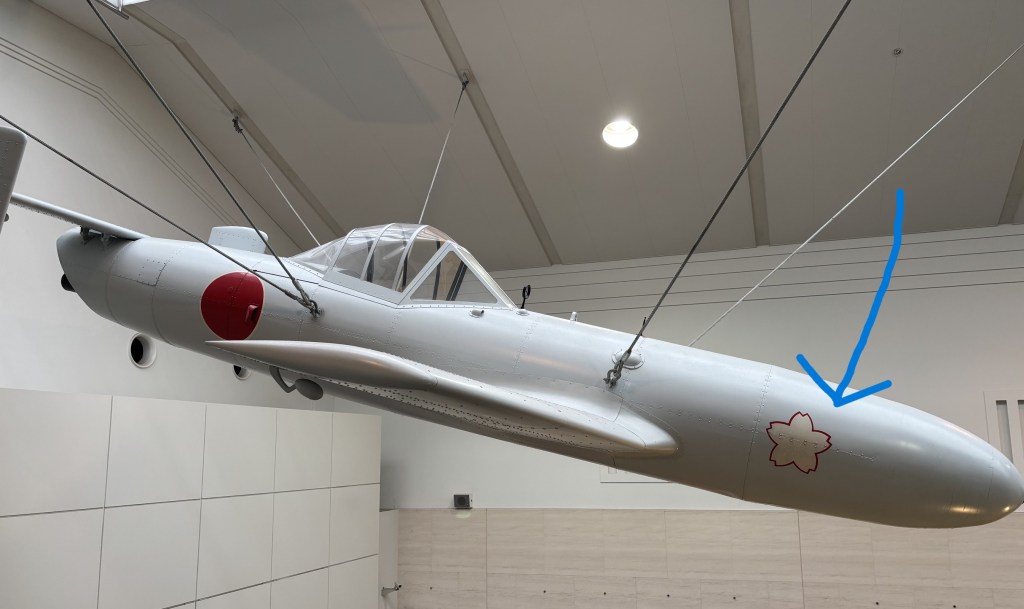
The narrative delves into the symbolism of the cherry blossom throughout the Japanese culture, which even briefly included being tattooed on kamikaze war planes. (See blue arrow on photo.)
— The Housekeeper and the Professor by Yōko Ogawa, This 2003 novel is the story of a housekeeper who takes a position caring for a math professor who suffers from brain damage. The housekeeper has a ten-year-old son who connects with the professor since they are both baseball fans of the Hanshin Tigers. I finished this book just before going to the Japanese Baseball Hall of Fame. For more about Japanese baseball see this recent posting.
Jimbocho Booktown

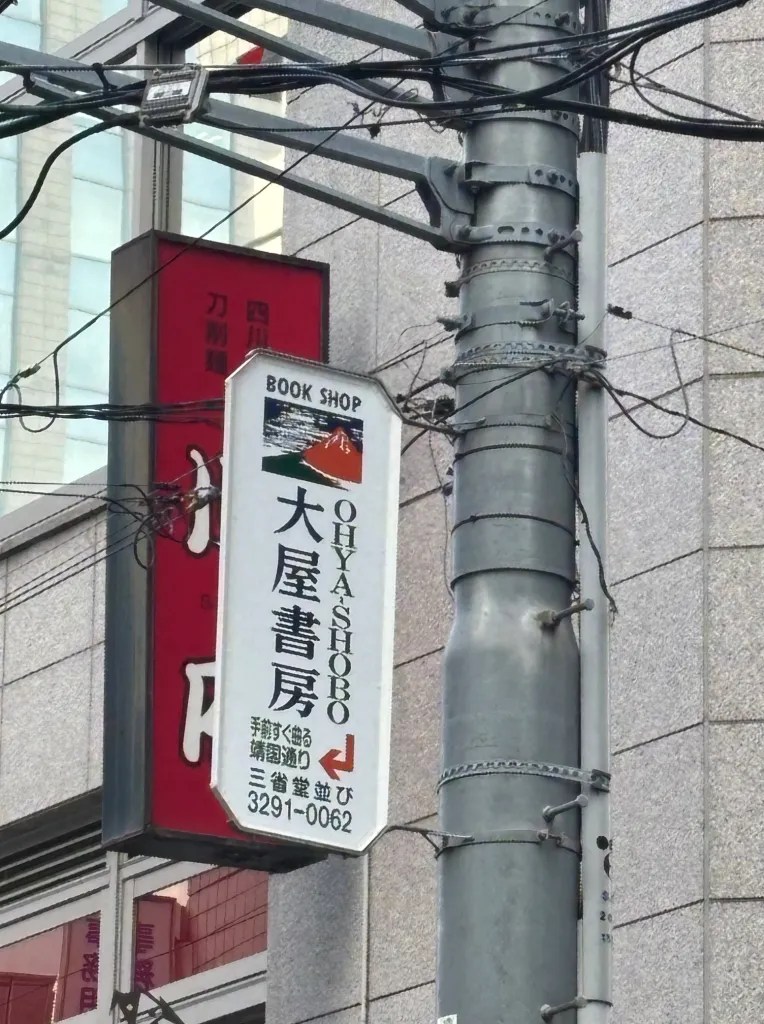
This section of Tokyo is home to 125 used bookstores that cater to Japanese readers. We went there on our last day and by this time my legs and ankles were shot. It didn’t make much sense to hobble through the stacks of predominately Japanese language books. One of the super-sized bookstores did have a decent sized English language section including Penguin classics, Hiroki Murakami books and lo-and-behold —Embracing Defeat.
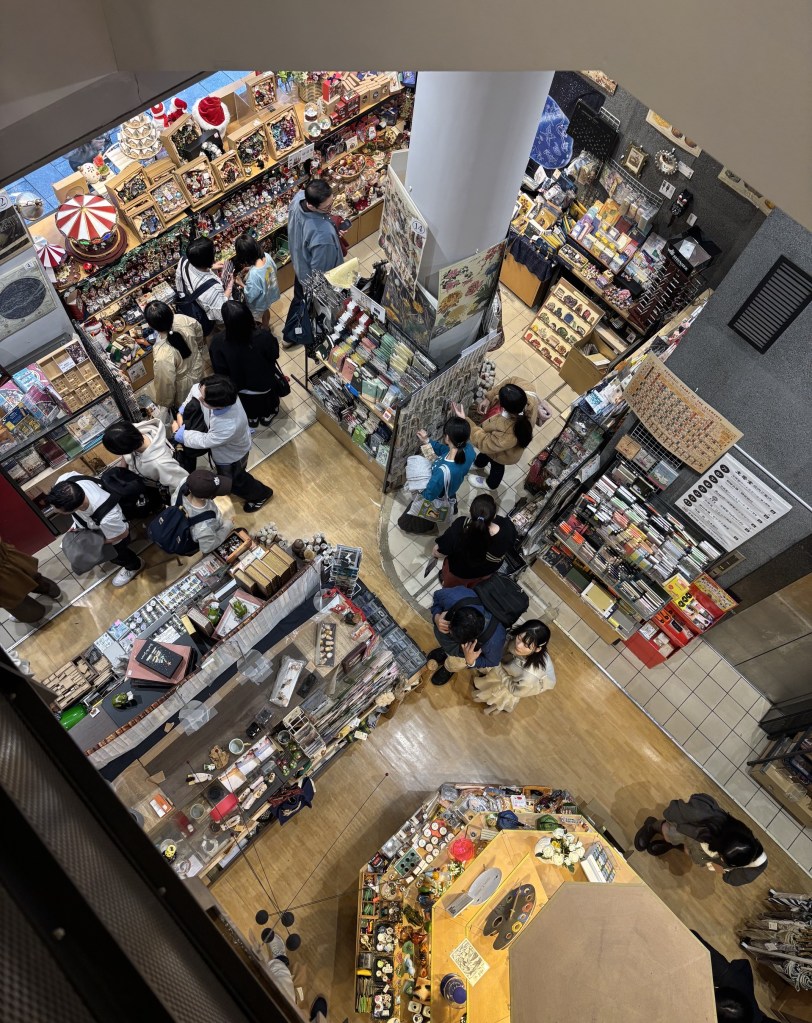
In related shopping, we visited many stationary stores featuring pens, papers, paints and Denise’s favorite washi tape for art journals. These stores were very crowded and popular – no surprise in a culture that appreciates the handwritten word.
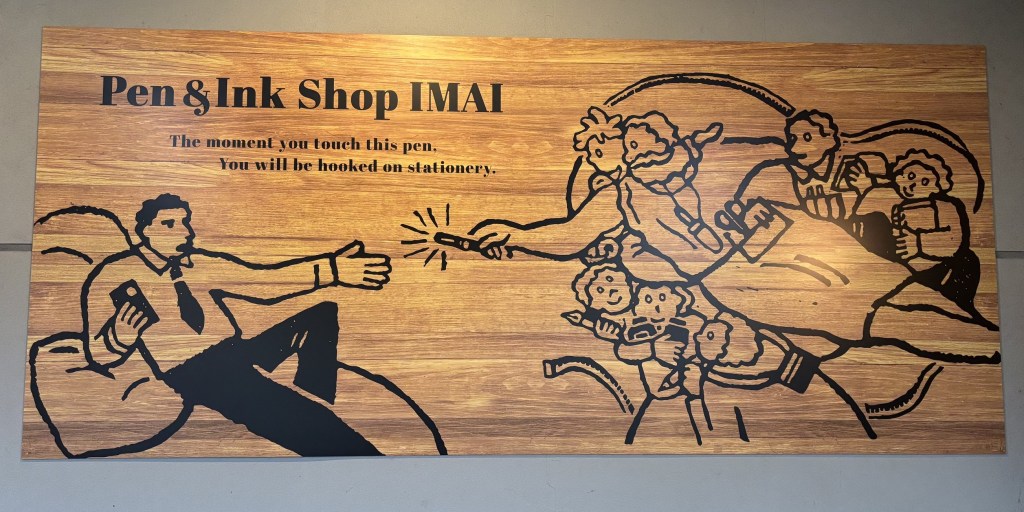
Moreover, I suspect you need a good pen to make nuanced strokes in Kanji (漢字). Personally, I require a quality pen because a lousy one aggravates my arthritic wrist. This provided me an excuse to purchase several pens including one with gold ink.
The Library Hotel
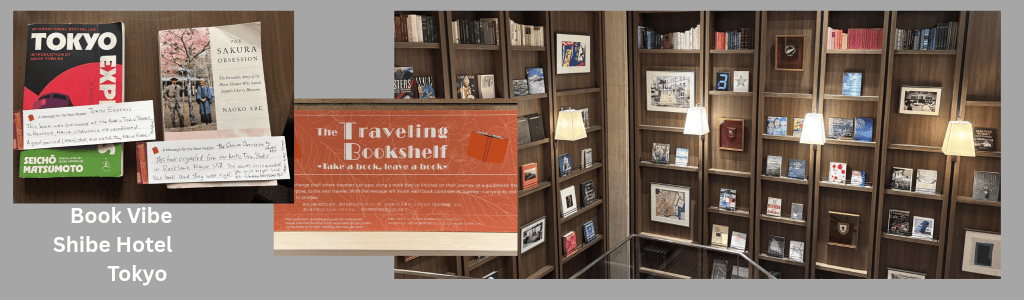
Our final days in Tokyo were spent at the Shiba Park Hotel, “a library hotel that connects people, cities, and history.” The lobby features an extensive selection of English language books that you can borrow at your leisure. A second floor is also full of books as well as shelves dedicated to books that guests are encouraged to donate, along with a brief note on the significance of the book. We left Tokyo Express and The Shakura Obsession there, and shared that the books came from a bookshop in Maine.
It is presumptuous to even think that in two weeks I could get any kind of “reading” on Japan – and its rich mixture of modernity and antiquity. But with the guidance of Denise and Sean and the help of a few books at least I can see that my reading level may have risen to at least a functional literacy of the culture.


Leave a Reply